


Une esthétique visuelle exquise peut faire ou défaire un produit de consommation lors de son dévoilement initial critique. Lorsque les concepteurs de matériel tiennent un premier prototype physique, l'apparence tactile et cosmétique dicte immédiatement la perception du marché. Malheureusement, l'évaluation des cosmétiques commerciaux révèle une divergence massive entre la fabrication additive et l'outillage de transition. L'analyse de la finition de surface impression 3D vs outillage rapide révèle pourquoi atteindre la perfection prête pour le commerce de détail exige d'abandonner le ponçage manuel au profit de la réplication directe par moule métallique sorti de presse.
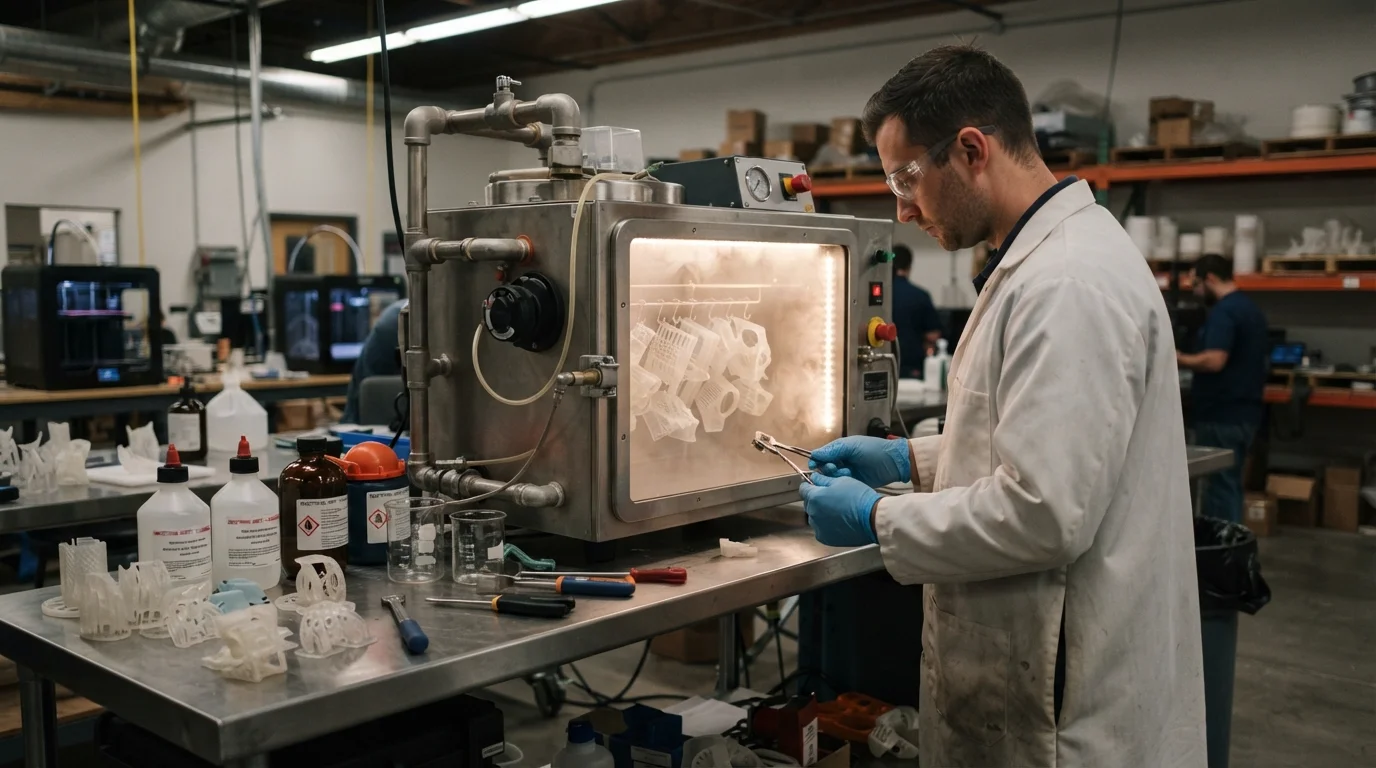
Table des matières
1. Conquérir les lignes de couche : le fardeau du post-traitement des pièces imprimées en 3D
2. Textures dans le moule et finitions SPI : les obtenir directement de la presse
3. Perfection cosmétique pour les boîtiers grand public et médicaux
Conquérir les lignes de couche : le fardeau du post-traitement des pièces imprimées en 3D
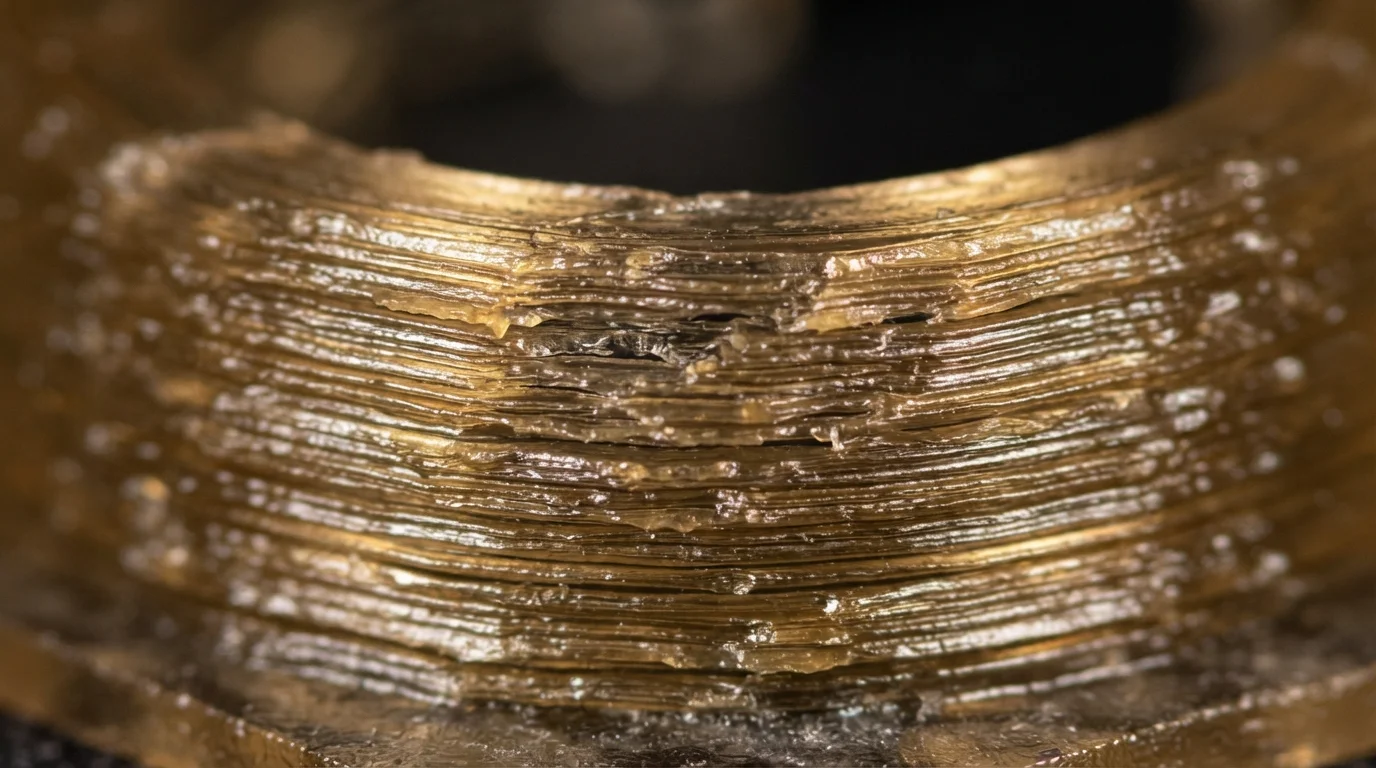
Question : Pourquoi les composants imprimés en 3D nécessitent-ils intrinsèquement un travail manuel intensif pour atteindre une douceur cosmétique acceptable ? Le dépôt additif construit des pièces à travers des strates horizontales visibles, laissant des micro-rainures qui piègent la saleté et déforment les réflexions lumineuses.
Même la stéréolithographie haute résolution ou le frittage sélectif par laser laisse des signatures topographiques distinctes qui exigent des heures de ponçage manuel, d'apprêt et de lissage à la vapeur chimique. Bien que ces interventions de post-traitement améliorent l'apparence, elles arrondissent fréquemment les arêtes structurelles nettes et remplissent les micro-textures délicates. Passer à un service d'outillage rapidee dédié contourne entièrement le lissage manuel en transférant les textures de cavité polies miroir directement sur la surface polymère lors de l'injection rapide en presse.
La comparaison des voies de développement cosmétique implique de suivre des attributs spécifiques de traitement de surface :
| Attribut cosmétique | Finition avancée par impression 3D | Finition par moulage par injection rapide |
|---|---|---|
| Topographie de surface initiale | Marches horizontales visibles | Réplication impeccable du polissage des outils métalliques |
| Conservation des arêtes vives | Arrondi dû au ponçage manuel | Lignes de joint et coins nets et tranchants |
| Cohérence d'un lot à l'autre | Variable en raison du travail manuel postérieur | Finition cosmétique identique sur des milliers d'unités |
Textures dans le moule et finitions SPI : obtenir des informations directement de la presse
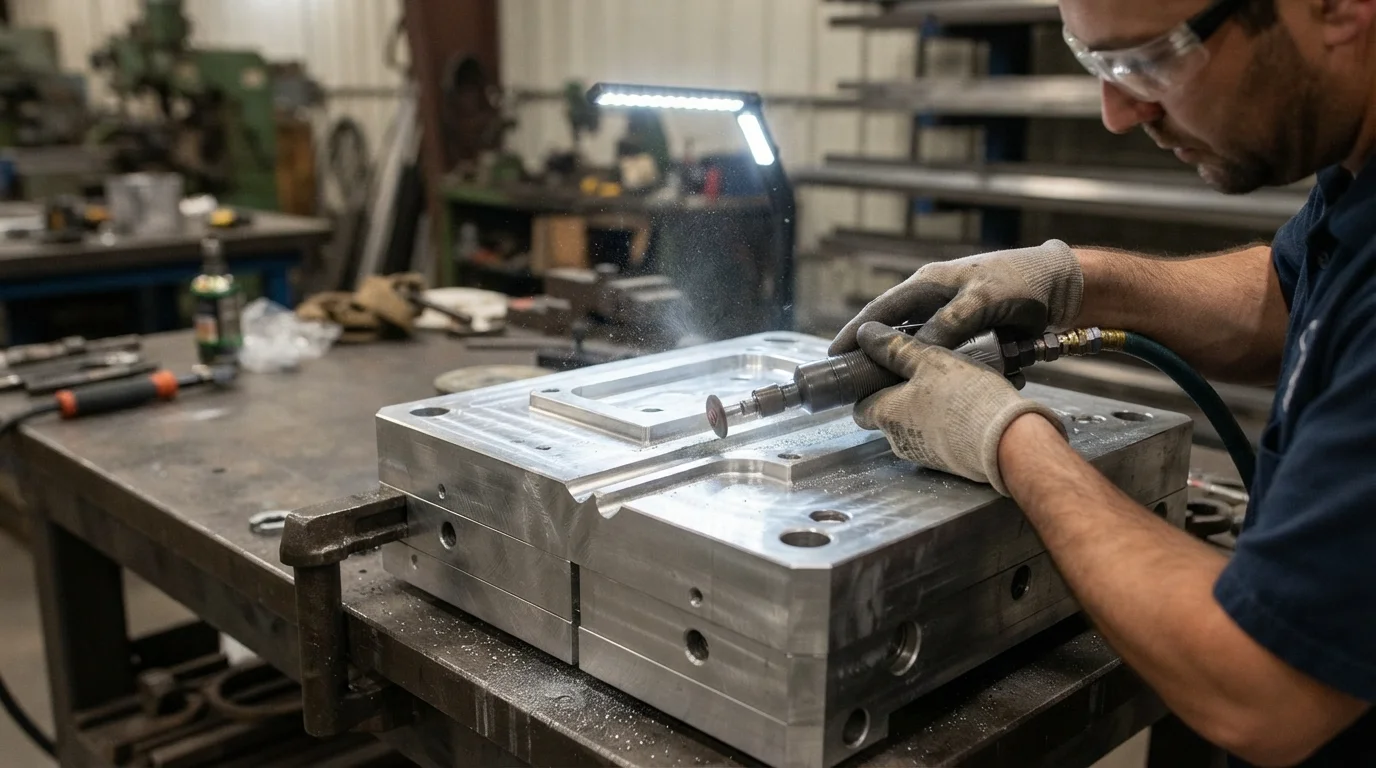
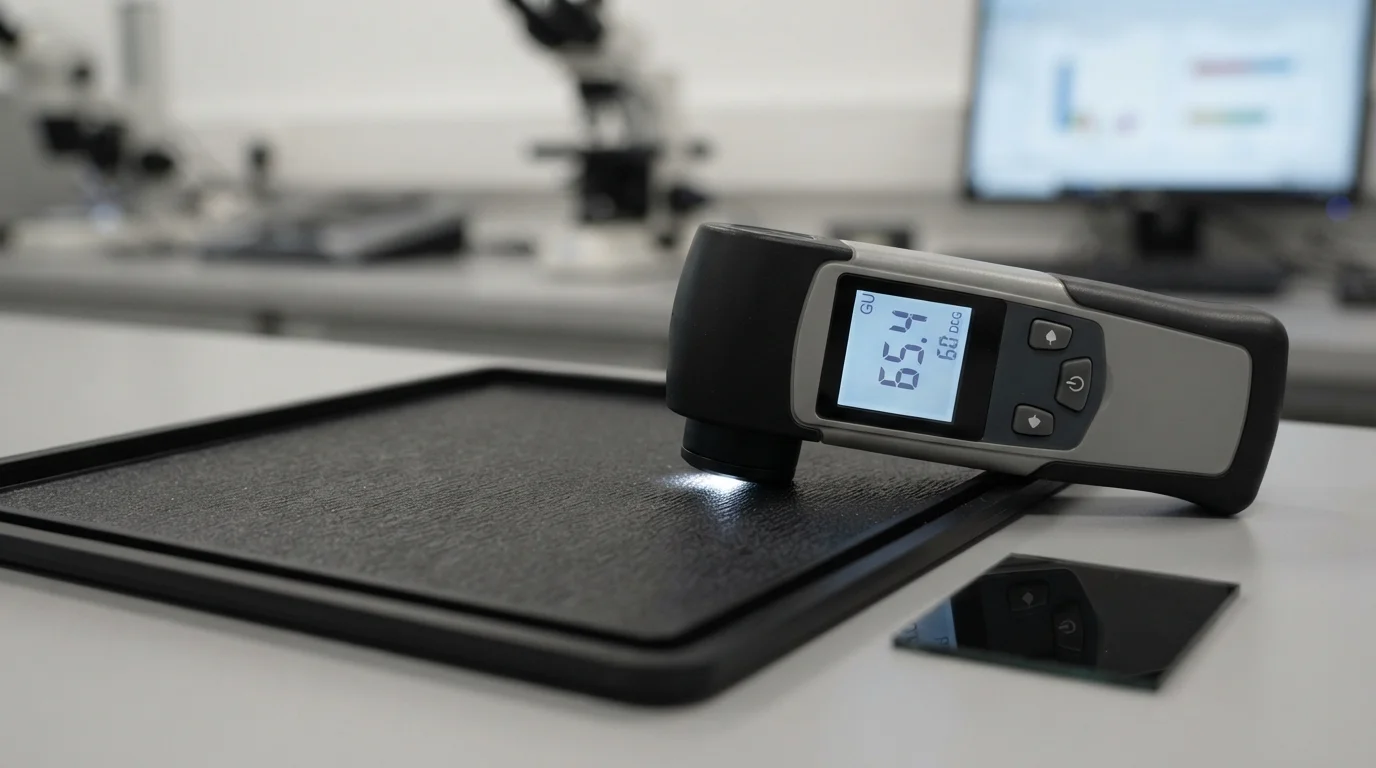
Question : Comment les inserts de moule rapides obtiennent-ils des reflets miroir à haute brillance ou des textures VDI mates complexes instantanément lors de l'extraction ? Les outilleurs experts polissent à la main les parois de cavité en aluminium doux ou en acier selon les normes SPI exactes avant le début de l'injection de production.
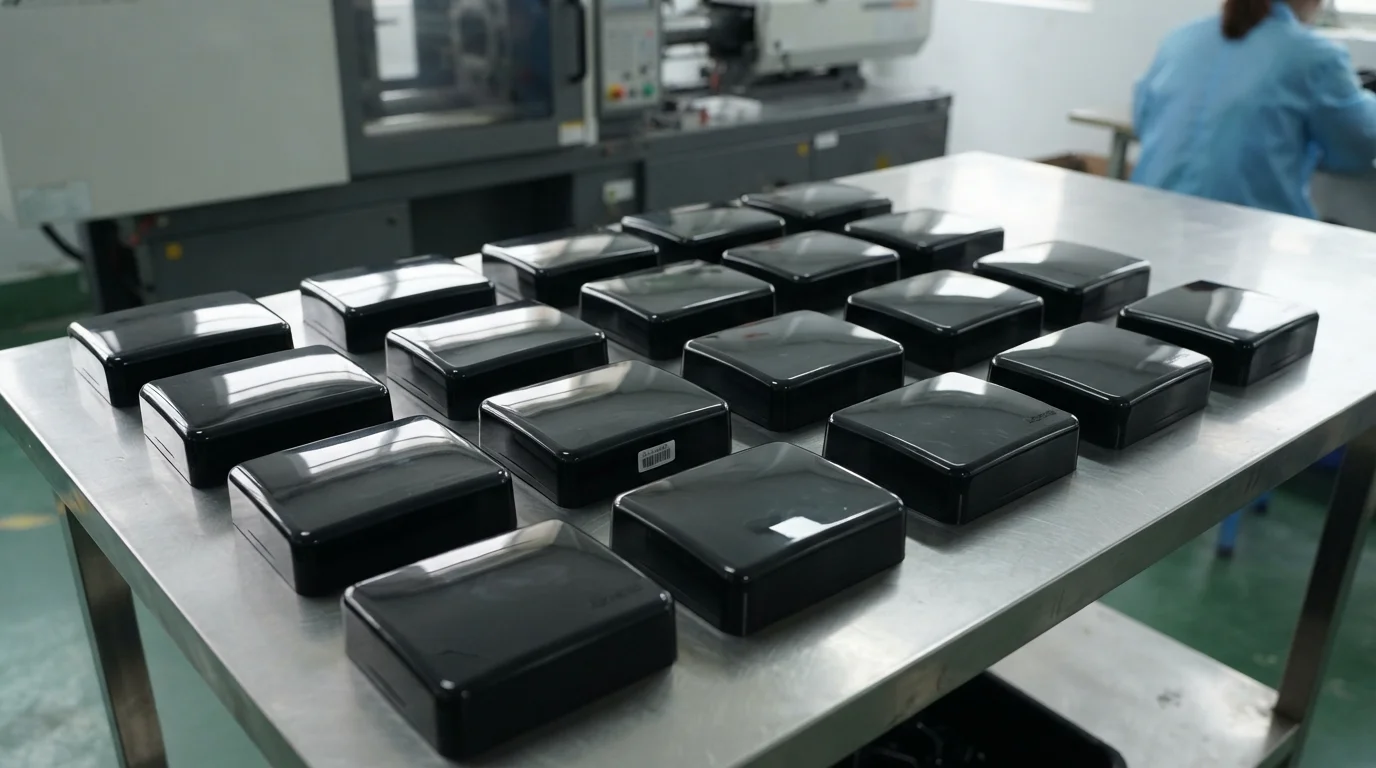
Obtenir des finitions cosmétiques directement de la presse élimine les coûts de main-d'œuvre secondaires et garantit une image de marque uniforme sur chaque unité fabriquée. Que votre conception commerciale exige une lentille transparente de qualité optique ou un boîtier électronique mat robuste, l'outillage de transition traite des polymères authentiques comme ABS ou Polycarbonate (PC) avec une fidélité visuelle impeccable. Utilisant un Service de moulage par injection garantit un contrôle optimal de la température de fusion pour prévenir les défauts de surface.
L'optimisation des résultats esthétiques et le maintien de normes visuelles impeccables impliquent le suivi de protocoles de finition clés :
- Polissage miroir SPI-A2—Élimination des micro-rayures des noyaux de moule en aluminium pour des lentilles optiques cristallines
- Gravure chimique de texture VDI—Conférer des grains mats sophistiqués aux surfaces de cavité pour dissimuler les empreintes digitales sur les appareils portables
- Démoulage contrôlé—Prévention des marques d'éjection grâce à des angles de dépouille optimisés et des parois de noyau polies
Perfection esthétique pour les boîtiers grand public et médicaux
Jucheng Precision soutient les développeurs de matériel en fournissant des analyses DFM gratuites 24h/24 revues qui évaluent les angles de dépouille, les profondeurs de texture et les emplacements de points d'injection avant la coupe du métal. Avec plus de 150 machines CNC avancées et plus de 35 postes de moulage par injection spécialisés, nos installations certifiées ISO 9001 garantissent des normes esthétiques exceptionnelles pour chaque lot.
Les principaux avantages opérationnels de notre cadre de finition complet comprennent :
- Polissage expert en salle d'outillage—Des techniciens qualifiés exécutent des finitions SPI et VDI précises directement dans les noyaux de moule en métal
- Post-traitement clé en main—La peinture, la gravure laser et la sérigraphie en interne offrent des extérieurs d'appareils prêts pour la vente au détail
- Aucune contrainte de quantité minimale de commande—Aucune politique de MOQ ne permet un alignement exact des stocks avec des séries de production pilotes personnalisées
Prêt à améliorer l'esthétique de votre produit ? Laissez les spécialistes de la finition de Jucheng amener votre design à la perfection du commerce de détail.
Foire aux questions (FAQ)
Why do 3D printed parts require intensive post-processing for smooth cosmetics?
Additive manufacturing builds objects through visible horizontal strata, leaving micro-grooves that trap dirt and require manual sanding or chemical vapor smoothing to achieve smoothness.
How do rapid injection molds achieve mirror-polish finishes straight from the press?
Expert toolmakers hand-polish aluminum or steel mold cavity walls to exact SPI standards, allowing the injected polymer to replicate the mirror sheen instantly upon ejection.
How does Jucheng Precision support cosmetic finishing requirements?
Jucheng Precision provides 24-hour free DFM reviews, expert toolroom polishing, VDI texturing, and turnkey post-processing to guarantee retail-ready device aesthetics.

