


Le développement de plateformes automatisées avancées nécessite une cinématique hautement coordonnée et des rapports structurels puissance/poids exceptionnels. La conception de bras robotiques multi-axes, de véhicules guidés automatisés (AGV) ou d'actionneurs de marche bipèdes exige un alignement mécanique parfait sous charge continue. Les équipes d'ingénierie doivent minimiser l'inertie de rotation dans les assemblages de joints dynamiques pour maximiser l'efficacité des servomoteurs et éviter la surchauffe des moteurs. L'intégrité structurelle est rigoureusement testée par des simulations de contraintes physiques pour confirmer les limites de fatigue des joints avant de déployer des moules de production en grande série.

La sélection de matériaux avec des capacités d'amortissement supérieures, une faible masse et une limite d'élasticité élevée représente une étape non négociable dans la conception mécatronique moderne. L'aluminium de qualité aérospatiale usiné, les alliages de magnésium légers et les polymères techniques renforcés de fibres remplacent les plaques d'acier lourdes traditionnelles dans les structures modernes. La combinaison du fraisage CNC multi-axes de haute précision avec le moulage plastique rapide garantit que les assemblages physiques imitent étroitement les tolérances de production en série. Des évaluations techniques complètes analysent les lignes de joint, les concentrations de contraintes et les limites de cisaillement des fixations pour optimiser les performances dynamiques.
Table des matières
1. Cadres Structurels Légers et Usinage CNC du Magnésium
2. Joints d'Actionneurs Personnalisés et Mécanismes d'Engrenages de Précision
3. Mise à l'Échelle de la Production de Transition et Validation Automatisée de la Qualité
Cadres Structurels Légers et Usinage CNC du Magnésium
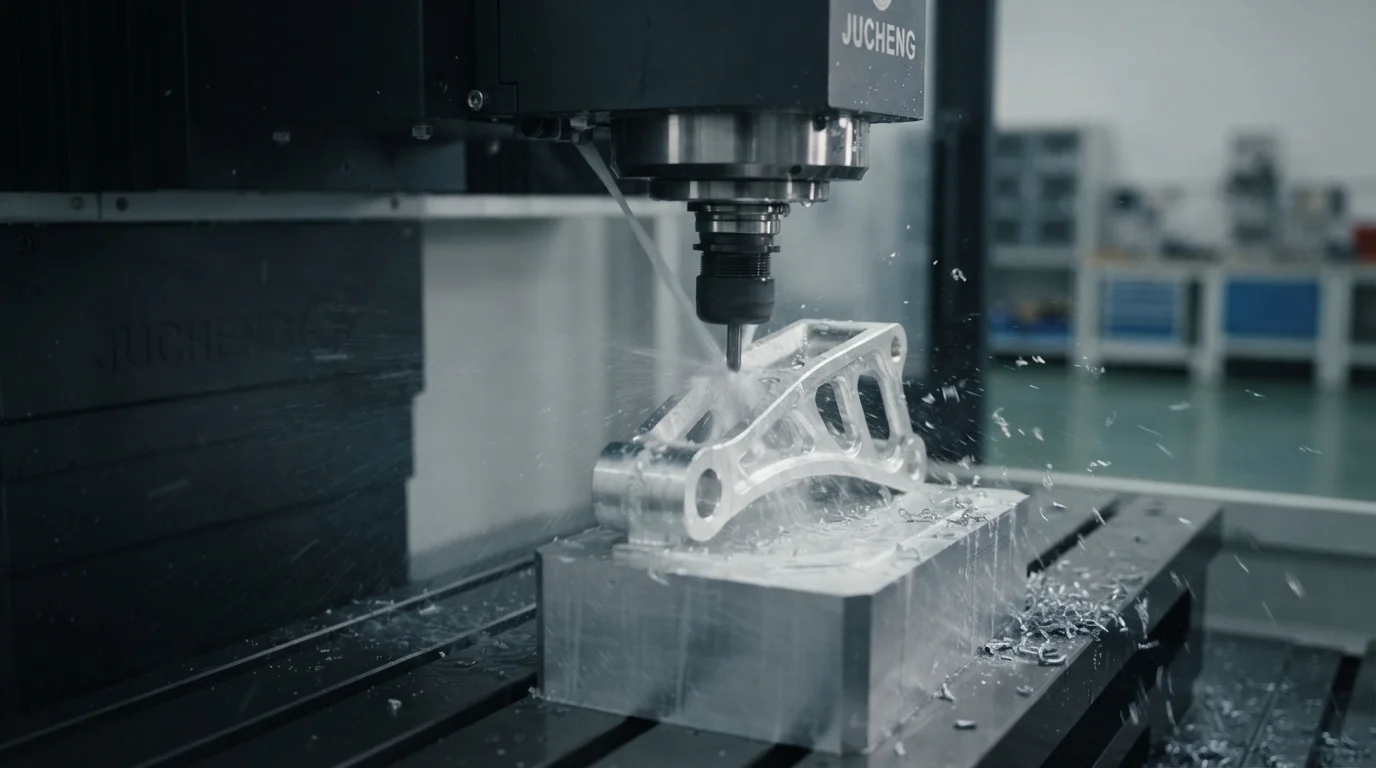
Question : Pourquoi les alliages de magnésium sont-ils préférés pour les liaisons robotiques dynamiques ? Le magnésium réduit la masse structurelle d'un tiers par rapport à l'aluminium tout en offrant une excellente absorption des vibrations.
Les liaisons structurelles robotiques doivent résister à des forces de torsion extrêmes sans flambage ni moments de flexion élevés. L'usinage CNC de pièces structurelles à partir d'alliages de magnésium légers (comme l'AZ91D) minimise la masse parasite, permettant aux bras robotiques de se déplacer plus rapidement avec moins de consommation d'énergie. Les vitesses de broche doivent être soigneusement équilibrées lors du fraisage du magnésium pour atténuer les risques d'inflammabilité de la poussière brute. Les composants usinés reçoivent des films chimiques anticorrosion spécialisés pour protéger les surfaces brutes des environnements d'entrepôt ou de fabrication difficiles.
Les concepteurs mécatroniques utilisent des méthodologies de prototypage rapide en robotique pour optimiser la distribution de masse géométrique dans les cadres structurels. Les algorithmes d'optimisation topologique génèrent fréquemment des structures organiques et creuses difficiles à fabriquer avec des outillages de moulage standard. Les centres de fraisage CNC multi-axes à haute vitesse sculptent efficacement des poches internes complexes, enlevant de la matière là où les contraintes sont les plus faibles. Les maquettes physiques sont soumises à des cycles de contraintes mécaniques intenses pour localiser les points de déformation structurelle sous des configurations de charge dynamique de pointe.
L'optimisation des épaisseurs de paroi et des dispositions de nervures internes empêche la résonance structurelle lors des changements de direction à grande vitesse. Les parois structurelles minces doivent maintenir au moins 1,0 mm d'épaisseur pour garantir une résistance suffisante sous des charges de torsion dynamiques. Les groupes de révision technique analysent la résistance à la fatigue des supports de liaison critiques pour empêcher la propagation de fissures de contrainte lors des opérations d'assemblage automatisé.
Joints d'Actionneurs Personnalisés et Mécanismes d'Engrenages de Précision
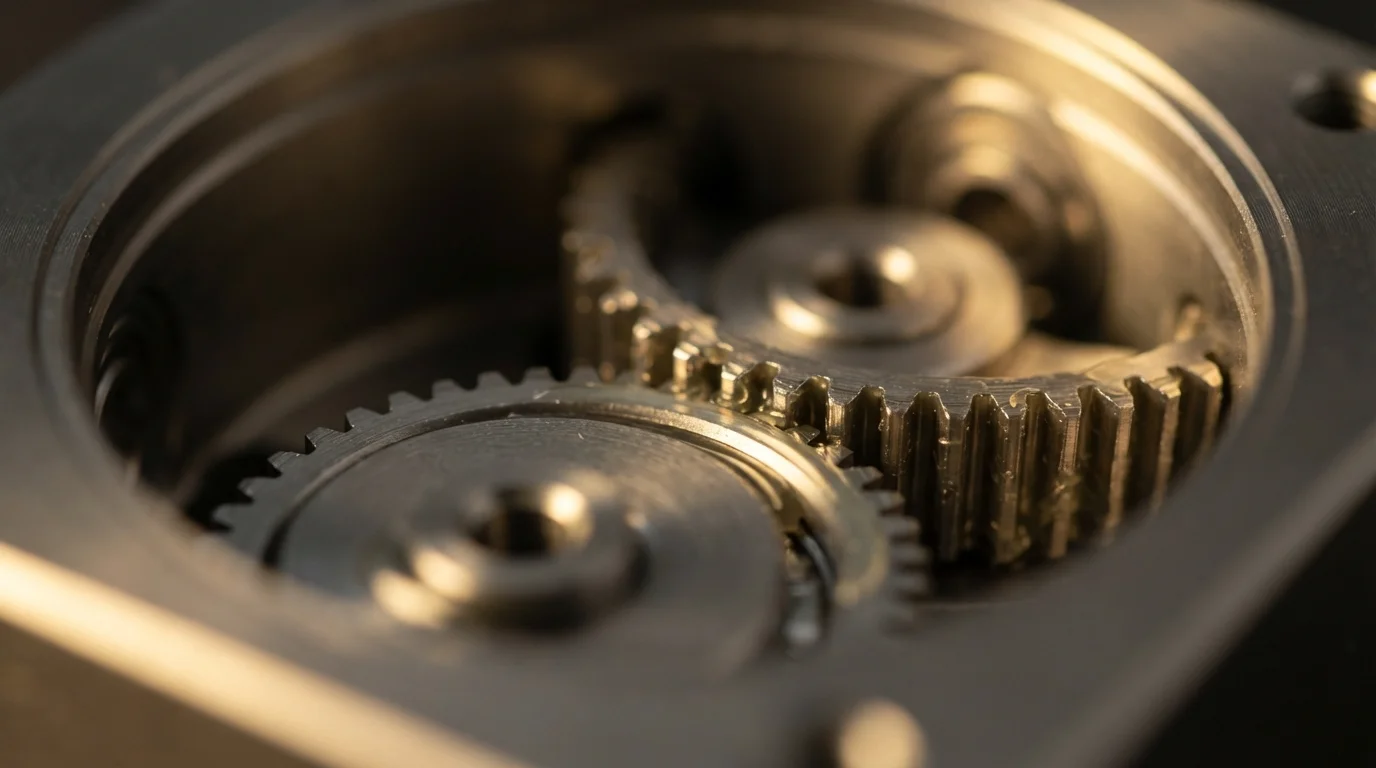
Question : Comment les tolérances submicroniques des engrenages sont-elles obtenues dans les prototypes d'actionneurs ? L'électroérosion à fil CNC multi-axes de haute précision et le micro-fraisage garantissent des profils de dents d'engrenage parfaits avec un jeu minimal.
Les mécanismes à joint rotatif nécessitent une précision dimensionnelle extrême pour éliminer le jeu d'engrenage et garantir la répétabilité de positionnement. Divers applications de prototypage rapide dans la robotique automatisée reposent sur des engrenages planétaires personnalisés et des composants d'entraînement harmonique pour transférer le couple en douceur. Les machinistes utilisent l'usinage par électroérosion à fil CNC de haute précision pour tailler des profils de dents d'engrenage complexes jusqu'à ±0,005 mm. Des blocs de billette solides en acier allié (comme le 4140) ou en plastiques à haute résistance (comme le Delrin) offrent la résistance à l'usure nécessaire pour une interaction continue des engrenages.
La combinaison de matériaux à haute dureté avec des caractéristiques de micro-précision protège les ensembles moteur contre une défaillance prématurée par fatigue. Des lubrifiants spécialisés sont évalués sur des trains d'engrenages prototypes pour optimiser l'efficacité de transmission de puissance sous diverses plages de vitesse. Le choix du grade de matériau approprié dépend du fait que le composant robotique nécessite un faible frottement ou une capacité de charge extrême. Cette comparaison complète des matériaux décrit les qualités structurelles des matériaux mécaniques couramment usinés :
| Désignation du matériau | Densité | Limite d'élasticité | Application robotique principale |
|---|---|---|---|
| Aluminium Al7075-T6 | 2,81 g/cm³ | 503 MPa | Supports structurels à haute contrainte, supports de liaison |
| Magnésium AZ91D | 1,81 g/cm³ | 150 MPa | Bras de robot légers, panneaux de boîtier |
| Acier AISI 4140 | 7,85 g/cm³ | 655 MPa | Arbres d'entraînement lourds, engrenages planétaires |
| POM (Acétal/Delrin) | 1,41 g/cm³ | 70 MPa | Bagues à faible frottement, engrenages droits prototypes |
Mise à l'échelle de la production de pont et validation automatisée de la qualité

Question : Comment Jucheng Precision soutient-elle la mise à l'échelle rapide des assemblages automatisés ? L'usinage CNC avancé, l'outillage d'injection rapide et les machines à mesurer tridimensionnelles facilitent les transitions rapides des lots de prototypes aux séries de faible volume.
La transition des conceptions robotiques des maquettes fonctionnelles initiales à la validation sur le marché à faible volume nécessite un partenaire de fabrication hautement compétent. Jucheng Precision exploite une installation d'usine complète avec plus de 150 machines CNC, dont 25 systèmes de haute précision 5 axes Haas/Mazak pour usiner des liaisons complexes. Les moules standard l'outillage rapide livrent des boîtiers d'engrenages en plastique de qualité production en 4 à 15 jours, optimisant les délais de validation de conception. Les spécialistes du contrôle qualité génèrent des rapports d'inspection dimensionnelle approfondis utilisant des machines à mesurer tridimensionnelles automatisées à température contrôlée.
Les ingénieurs d'usine fournissent des rapports d'analyse exhaustifs analyses DFM gratuites 24h/24 , résolvant les limitations de fabrication avant de couper les blocs de métal de base. Fonctionnant sous une politique stricte sans MOQ, cela permet aux startups robotiques de fabriquer des variations de composants personnalisées sans risques d'investissement initial lourds. Les programmes de production flexibles soutiennent des itérations de conception dynamiques, correspondant au rythme rapide de l'ingénierie robotique moderne.
Partenariat avec un fabricant certifié garantit une cohérence de qualité absolue à travers chaque programme de prototypage rapide en robotique. Les procédures de gestion de la qualité fonctionnent sous des directives strictes ISO 9001 pour assurer une traçabilité absolue des matières premières et des pièces finies. Les développeurs de robots reçoivent des composants structurellement solides et haute fidélité prêts à exécuter des essais cinématiques exigeants dans des environnements de travail industriels réels.
Foire aux questions (FAQ)
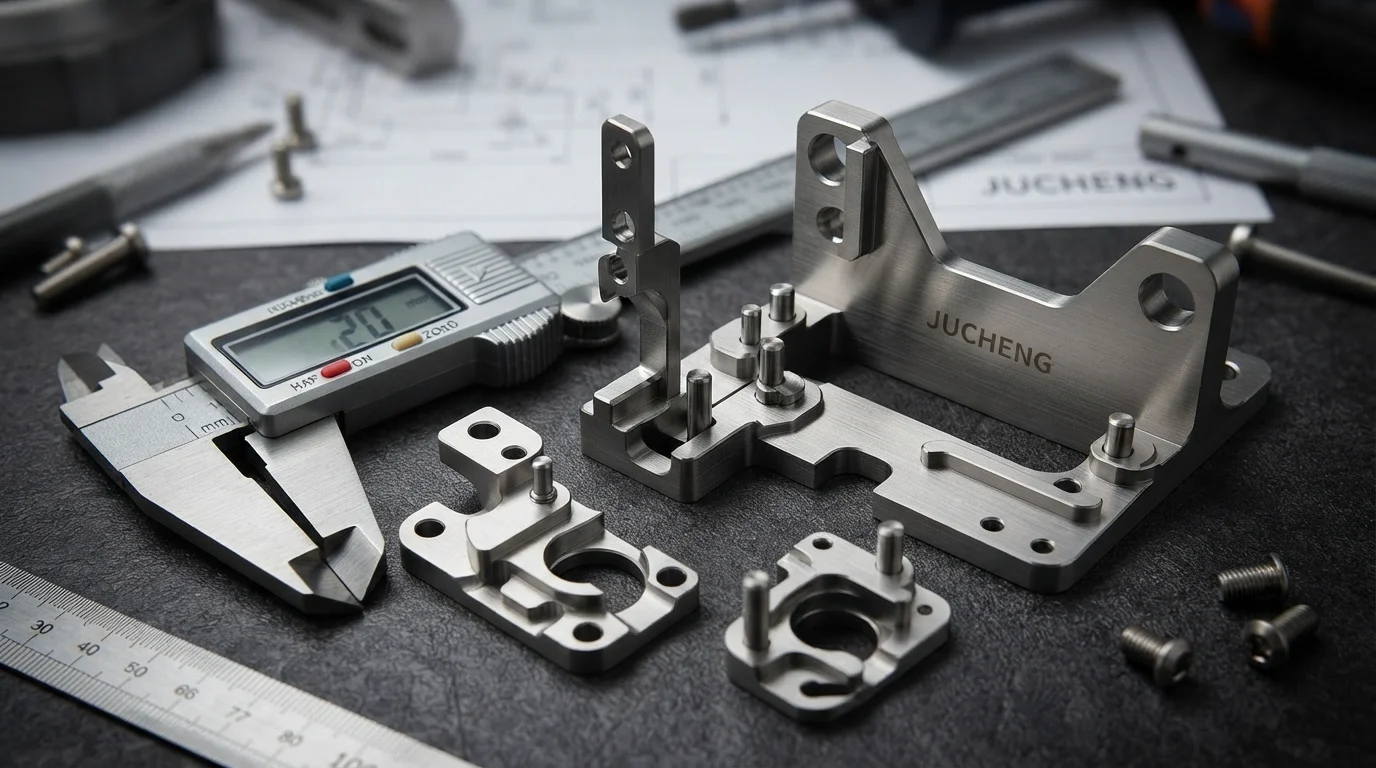
Quelle est la méthode la plus précise pour prototyper des liaisons structurelles ?
L'usinage CNC multi-axes simultané à partir de billettes d'alliage massif représente la méthode de fabrication de premier ordre pour les liaisons à haute contrainte. L'usinage de billettes massives offre des alignements de grains structurels supérieurs par rapport à l'impression 3D ou aux alternatives de fonderie.
Les composants en magnésium peuvent-ils être soudés lors du prototypage rapide en robotique ?
Le soudage à l'arc au tungstène sous gaz (GTAW) spécialisé assemble les alliages de magnésium sous atmosphères de gaz inerte pour prévenir les risques d'oxydation chimique. Le soudage laser offre également des soudures précises avec des zones affectées thermiquement minimales, évitant les déformations structurelles.
Pourquoi les plastiques haute résistance sont-ils sélectionnés pour les bagues robotiques ?
Les polymères techniques comme le Delrin ou le PEEK offrent d'excellentes qualités d'autolubrification et de faibles coefficients de frottement statique. Remplacer les bagues en bronze par des plastiques haute résistance réduit le frottement rotatif tout en éliminant le besoin de lubrification continue à l'huile.

