


Contents
Understand Sacrificial Protection
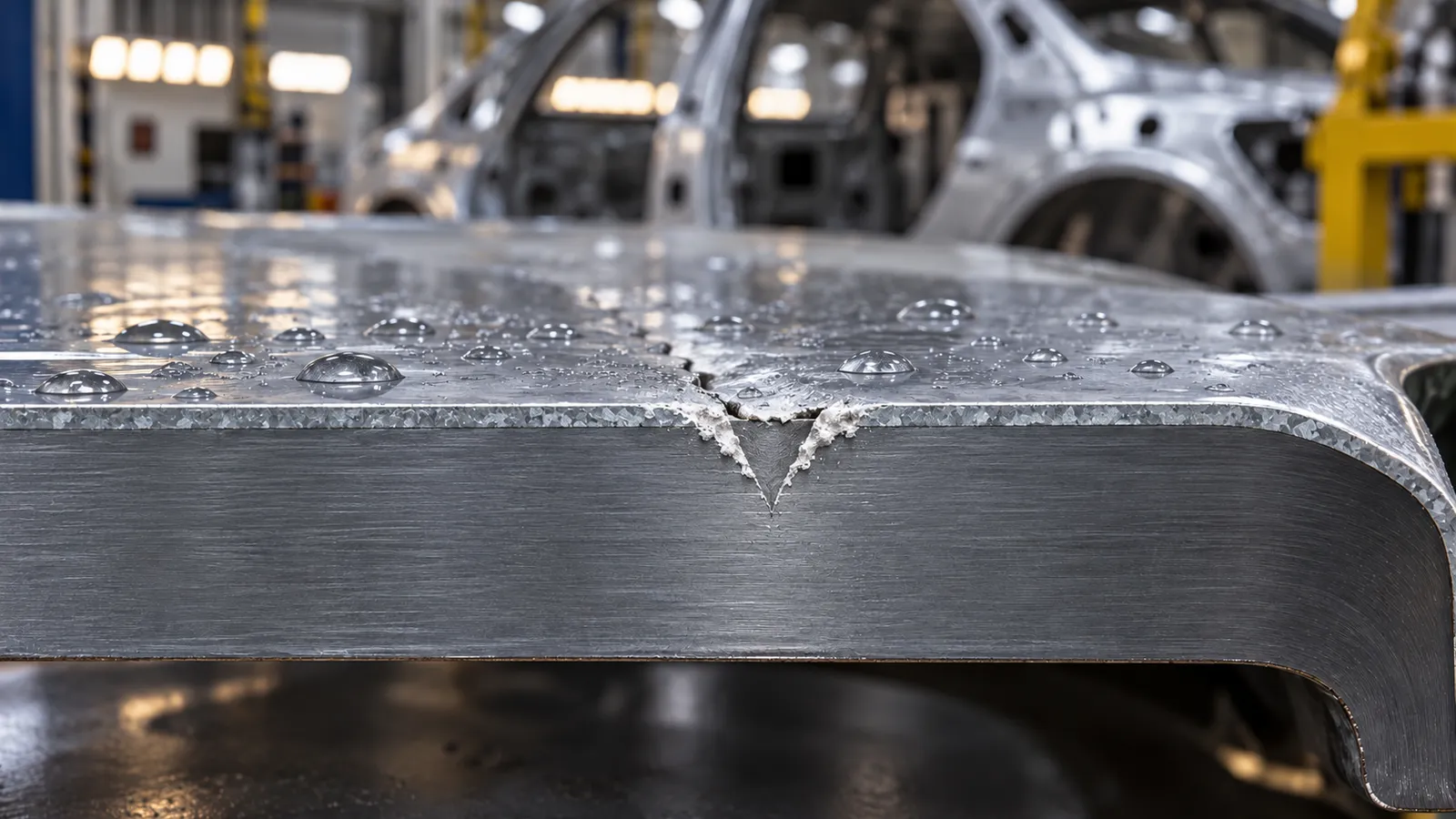
Zinc protects steel in two ways. It forms a barrier between the steel and the environment, and it can act sacrificially when the coating is damaged. That makes zinc attractive for many automotive steel parts, but performance depends on thickness, conversion coating, sealers, geometry, and exposure. A specification should state the required corrosion behavior and whether appearance, electrical contact, or torque performance also matters. The part’s location is important. A hidden fastener in a damp underbody area may need a different system from a visible clip or an interior bracket. Contact with aluminum, magnesium, or carbon-fiber assemblies can introduce galvanic considerations. Define the surrounding materials, service temperature, cleaners, salt exposure, and acceptable white or red corrosion before selecting the system.
| Application need | Relevant zinc-plating decision |
|---|---|
| General corrosion protection | Coating thickness and conversion system |
| Threaded fastener | Torque, friction, and dimensional build |
| Visible clip or trim part | Color, uniformity, and post-treatment appearance |
| High-strength steel | Hydrogen embrittlement controls |
Prepare Steel Before Plating
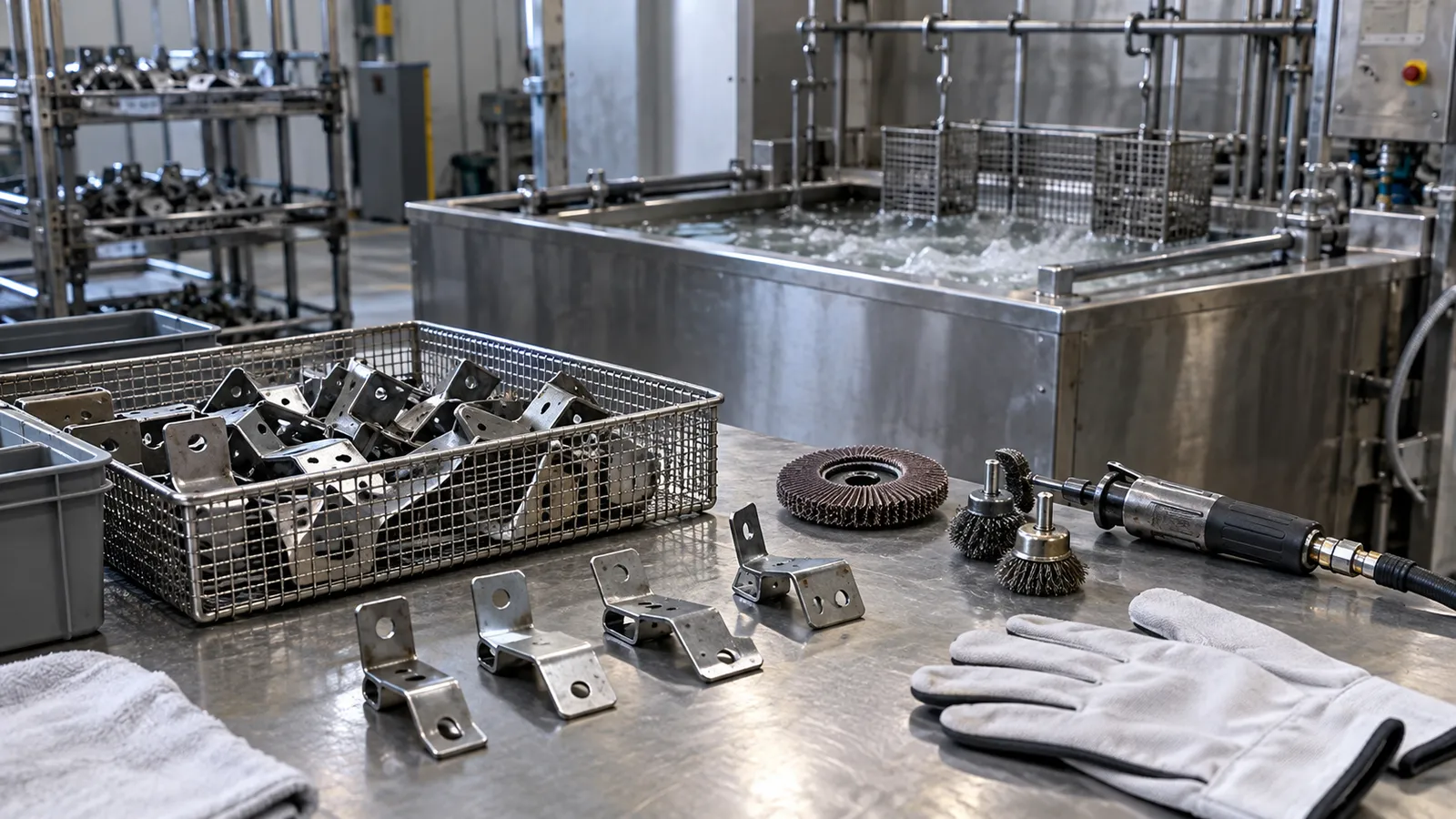
Zinc plating cannot reliably cover oil, scale, rust, burrs, or embedded manufacturing residue. Cleaning, activation, and surface preparation must suit the steel grade and the part history. Stamped parts may carry drawing lubricants; machined parts may hold coolant residues; welded parts may have heat tint or spatter. Each condition changes what the plating line must remove. The pre-plating dimensional state should also be recorded. Sharp edges, burrs, and rough surfaces may remain visible or cause local coating variation. If a part needs tumbling, blasting, or deburring, those operations should be coordinated with the functional geometry. Removing a burr after plating can expose steel and defeat the corrosion objective.
- Identify oils, oxides, scale, and residues from the upstream process.
- Control burrs and sharp edges before plating.
- Protect precision features during cleaning and handling.
- Record substrate grade and heat-treatment condition where relevant.
Choose the Plating Route Around the Part
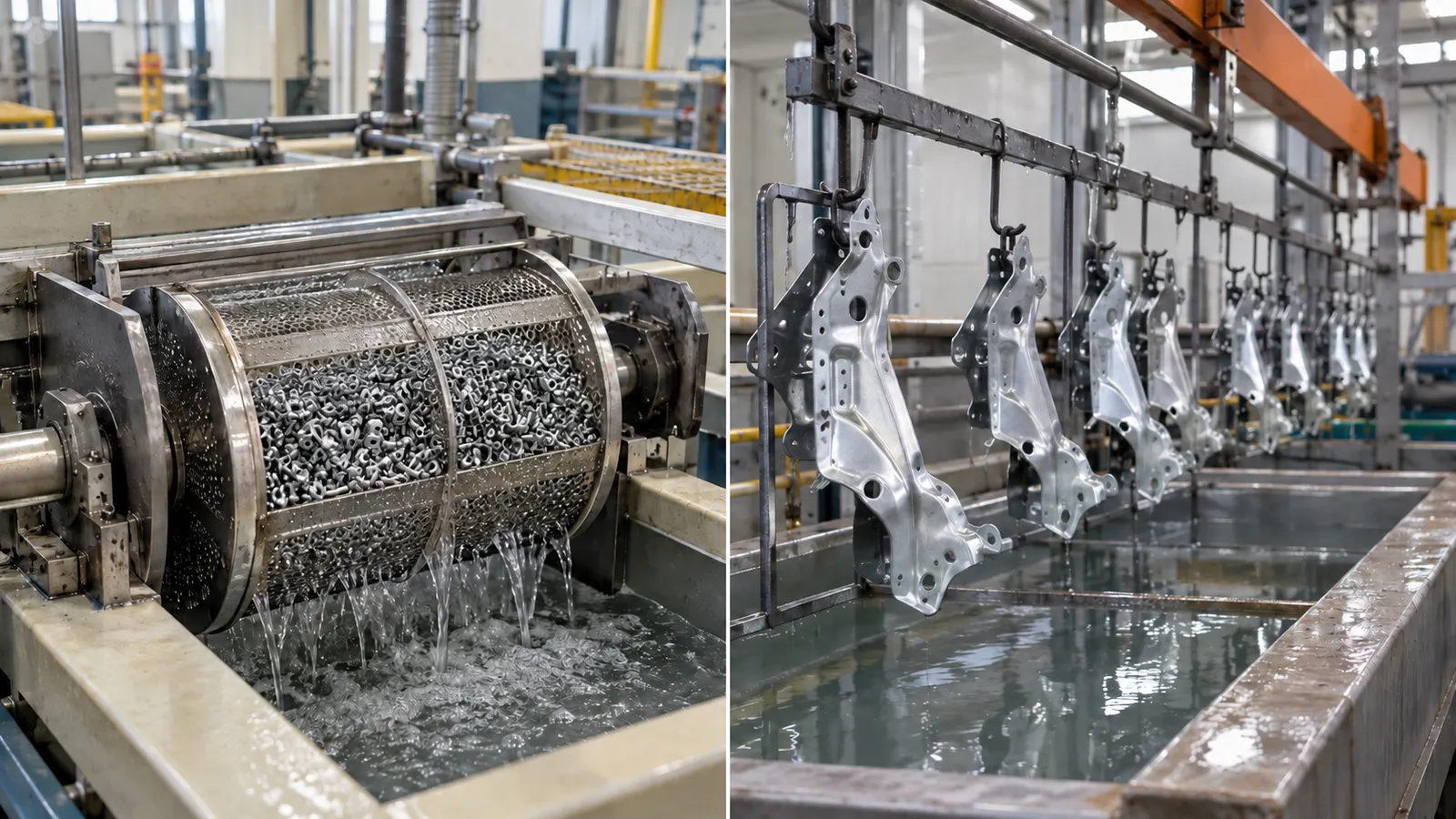
Rack and barrel plating serve different part populations. Barrel processing can be efficient for smaller robust components and high quantities, while rack processing offers better orientation and handling for larger, fragile, cosmetic, or dimensionally sensitive parts. The choice affects contact marks, edge build, coverage, handling, and throughput. Post-treatment changes the performance and appearance of zinc. Clear, colored, or trivalent conversion systems, sealers, and lubricious topcoats can alter corrosion behavior, color, friction, and electrical contact. Specify the full system rather than saying only “zinc plated.” The supplier should identify the deposit, conversion layer, sealer, thickness range, and any restricted substances or environmental requirements.
| Route | Best fit | Main concern |
|---|---|---|
| Barrel plating | Small, robust, high-volume parts | Part-to-part contact and cosmetic marks |
| Rack plating | Larger or sensitive components | Racking marks and throughput |
| Zinc-nickel system | Higher corrosion or temperature demand | Cost, process control, and compatibility |
| Zinc plus sealer | Additional barrier or friction control | Build, cure, and assembly behavior |
Control Hydrogen and Dimensional Risk
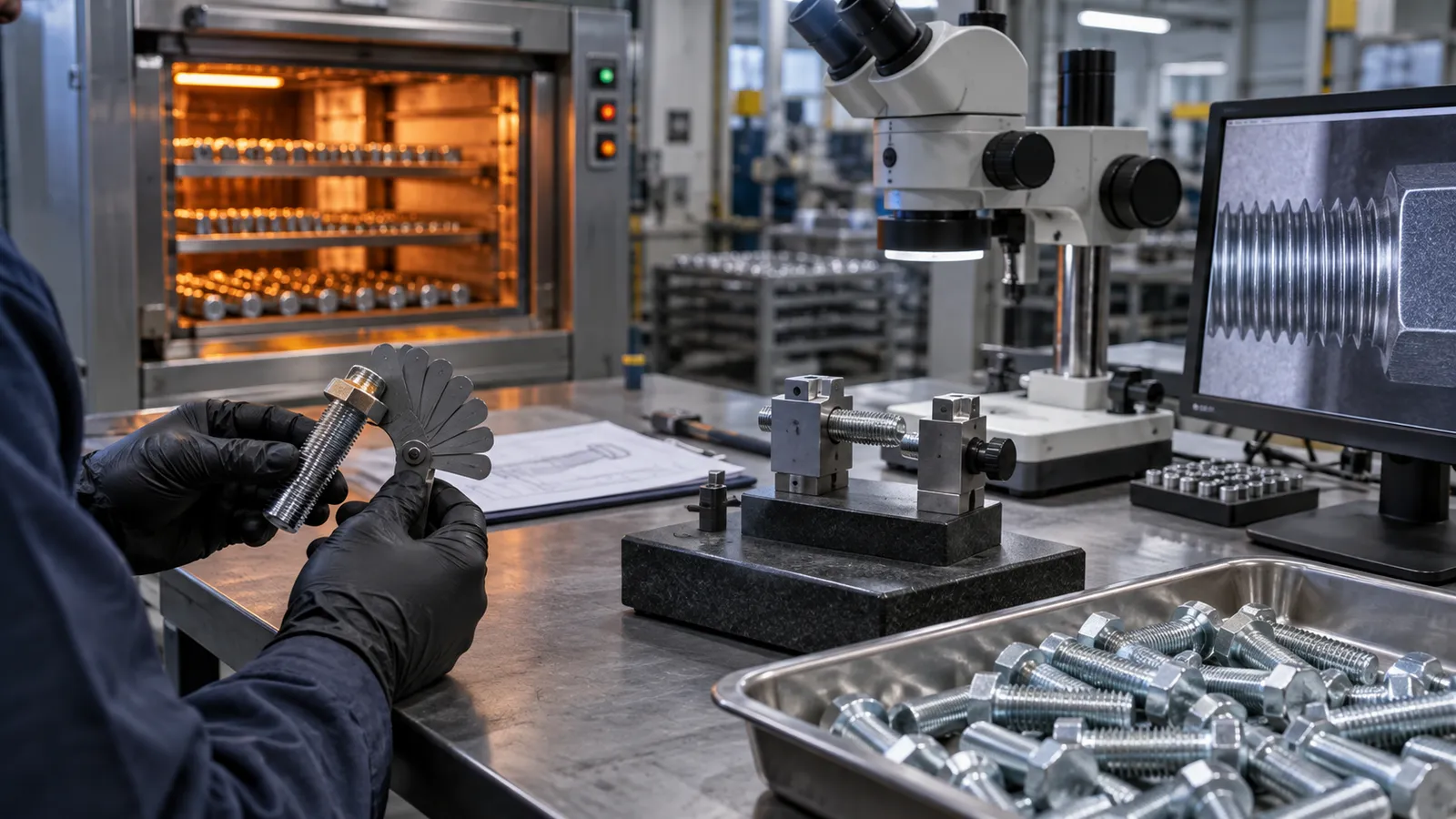
High-strength steel components can be sensitive to hydrogen embrittlement. The risk assessment should consider steel strength, cleaning and plating chemistry, part geometry, post-plating baking requirements, and the applicable customer or industry standard. This is not a cosmetic detail; it can affect delayed cracking and component reliability. Dimensional build is another common source of trouble. Zinc and its post-treatments add material to threads, bores, contact pads, and mating faces. Define the coating allowance before production and inspect the finished interface. Torque-tension behavior may change with conversion layers or lubricious topcoats, so fastener and assembly requirements should be tested with the actual finish.
- Screen high-strength steel for hydrogen-related risk.
- Define baking or relief requirements where applicable.
- Include coating build in thread and fit calculations.
- Test torque, friction, or insertion force when assembly depends on it.
Protect Threads and Functional Surfaces
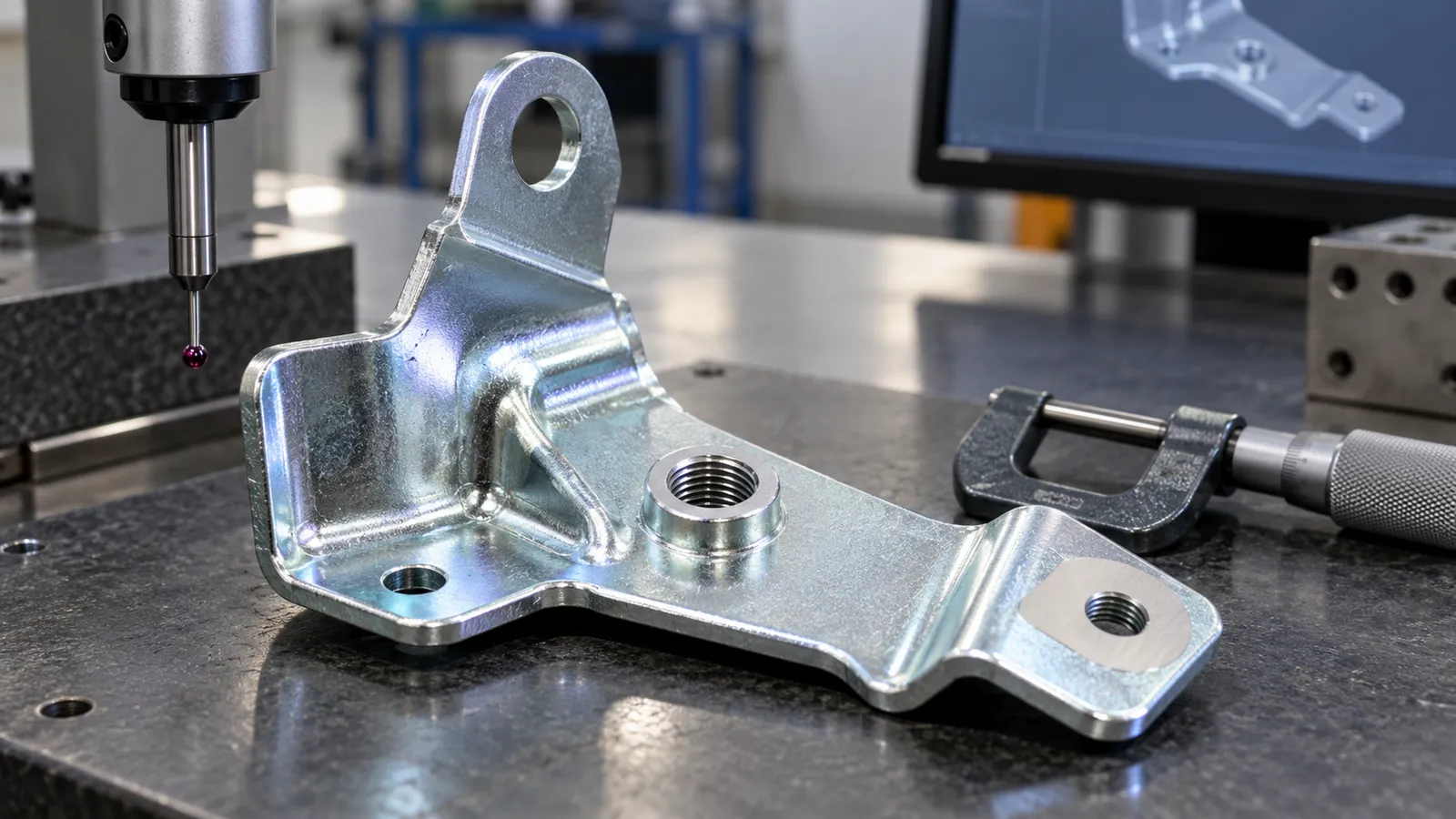
Masking can be appropriate for threads, sealing lands, grounding pads, and precision bores, but masking also adds handling complexity and marks. Decide whether the design needs a no-coat zone, a controlled thin coat, or post-plating cleanup. The decision should be tied to function and volume rather than habit. For brackets and stamped parts, bend radii, slots, hems, and spot-welded areas need review. Trapped solution in seams or blind areas can create staining or later corrosion. Drainage and orientation should be considered during racking. If the part will be assembled with a coated fastener or dissimilar metal, evaluate contact and galvanic behavior as a system.
| Caractéristique | Control question |
|---|---|
| Thread | Will the finished fastener meet torque and fit requirements? |
| Ground point | Does the coating need to stop before the contact zone? |
| Seam or hem | Can cleaning and rinse solution drain completely? |
| Seal surface | Will the coating alter compression or leakage behavior? |
Release the Finish with Evidence
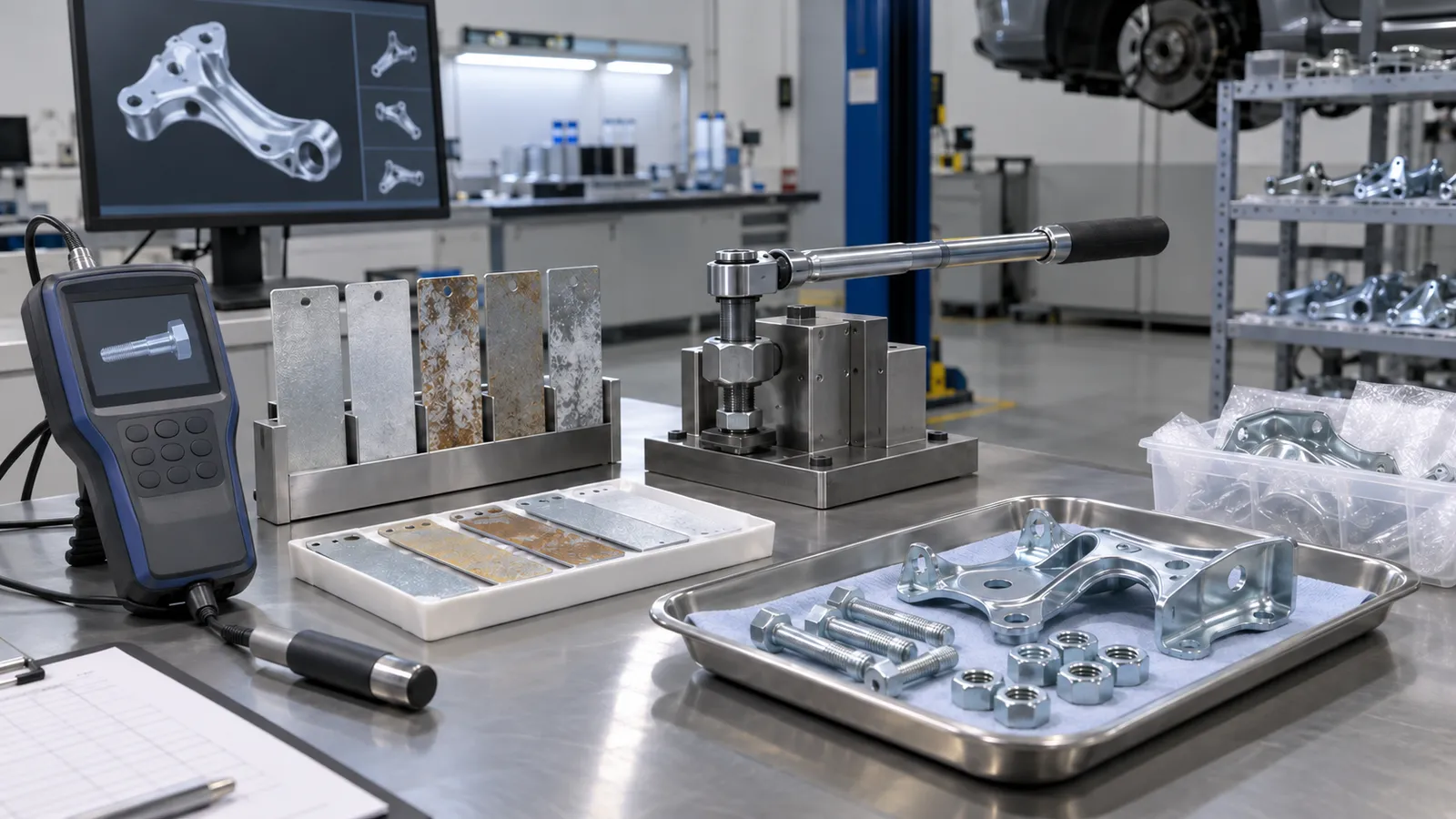
A finished zinc-plated part should be released using evidence tied to its service requirement. Typical checks may include visual appearance, coating thickness, adhesion, dimensional fit, torque, electrical contact, and corrosion testing. The test plan should define sample location and acceptance criteria, especially for edges, recesses, and rack-contact areas. Keep process records with the part revision: substrate, cleaning route, plating system, conversion or sealer, thickness, post-treatment, and inspection results. When a supplier changes chemistry, rack design, barrel load, or topcoat, review whether revalidation is required. This is how a low-cost finish remains a controlled automotive process rather than a variable outside operation.
- Specify the complete zinc system, not only the word “zinc.”
- Inspect critical interfaces after plating.
- Use corrosion and hydrogen controls appropriate to the steel and exposure.
- Retain lot and process records for future troubleshooting.
Zinc plating automotive parts works best when corrosion protection, assembly behavior, and material risk are considered together. A clear substrate definition, suitable plating route, controlled post-treatment, and evidence-based release plan protect both the component and the vehicle program.

