


Automotive Surface Finishing: Corrosion and Aesthetics
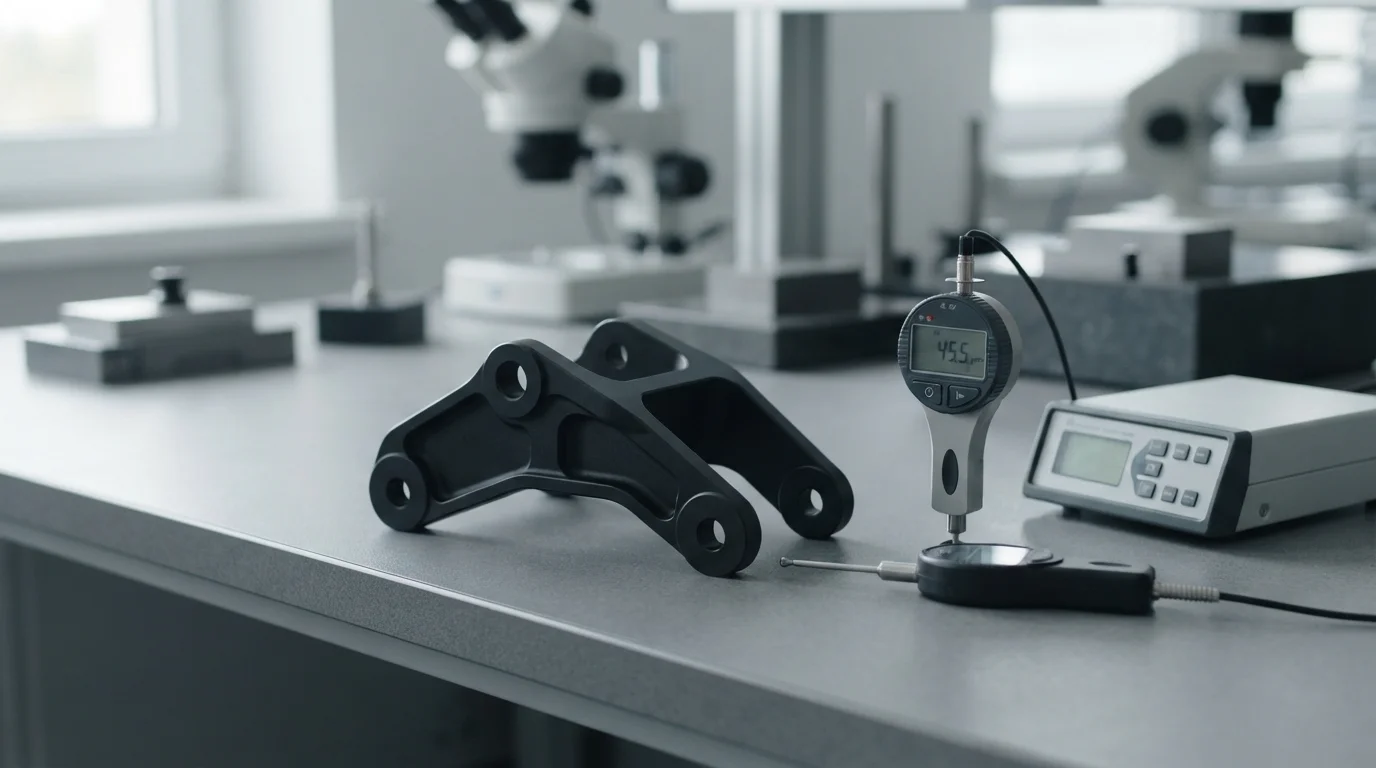
Protecting structural metal components from aggressive environmental oxidation while delivering showroom-quality cosmetic appeal is an essential final step in vehicle manufacturing. When automotive engineering teams finalize structural chassis frames and interior optical elements, specifying precise automotive surface finishing protocols ensures compliance with rigorous salt spray endurance standards. Without advanced electrophoretic coating or chemical vapor smoothing, metal and plastic parts will degrade rapidly under road salt and UV exposure.
Utilizing an experienced rapid prototyping partner ensures that structural components transition smoothly from raw CNC machining blocks into highly protected, aesthetically flawless parts. Let us examine the anti-corrosion chemistry and optical polishing protocols that drive modern vehicle finishing.
Module 1 – Definition and Working Principles of Protective Coating
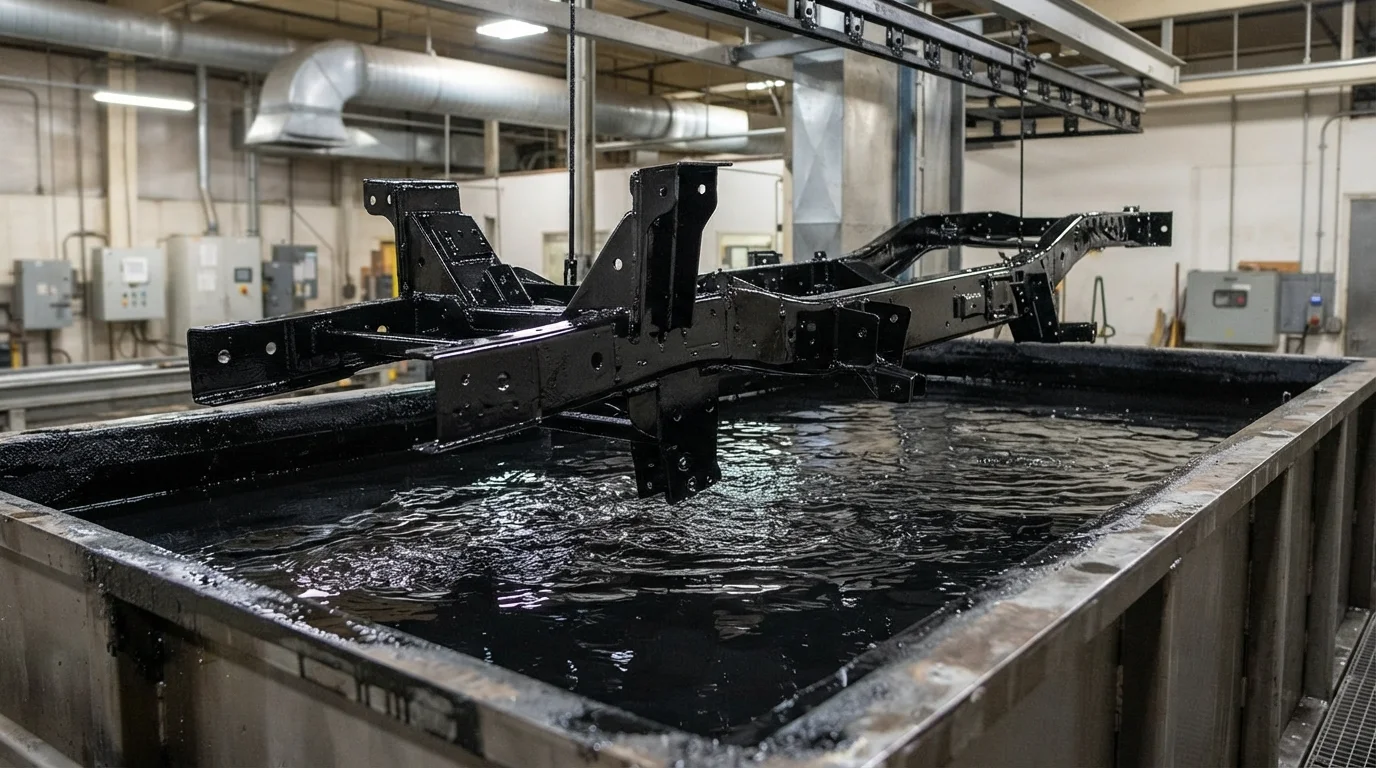
Surface finishing in vehicle manufacturing encompasses all chemical, electrochemical, and optical treatments applied to raw metal or polymer parts to enhance environmental defense and appearance. The working principle relies on depositing protective barrier layers—such as epoxy films or anodic oxide crystals—that isolate substrate materials from moisture and oxygen. While primary geometric forms are shaped via usinage CNC or molding, long-term environmental survival relies entirely on efficient finishing techniques.
To execute structured finishing workflows on structural vehicle components, technicians could follow these practical steps:
- Aqueous Degreasing: Submerge raw metal parts in alkaline cleaning baths to strip away machining oils and organic contaminants.
- Electrochemical Conversion: Apply electrical current inside specialized tanks to grow thick protective anodic oxide layers on aluminium substrates.
- Cuisson thermique : Cross-bake applied electrophoretic paint primers uniformly inside precision convection ovens.
Advanced protective coating is vital across under-body structural frames, exterior lighting lenses, and high-wear chassis nodes where corrosion resistance dictates warranty compliance. When engineering teams build prototype vehicles, deploying specialized automotive surface finishing protocols solves critical environmental durability challenges. Feedback from professional prototyping groups on Reddit and Facebook indicates that salt-fog chamber testing is mandatory for exterior parts.
Les principaux secteurs d'application comprennent :
- Protection contre la corrosion : Applying electrophoretic coating (E-Coating / KTL) and powder coating to steel subframes to pass ASTM B117 salt spray tests.
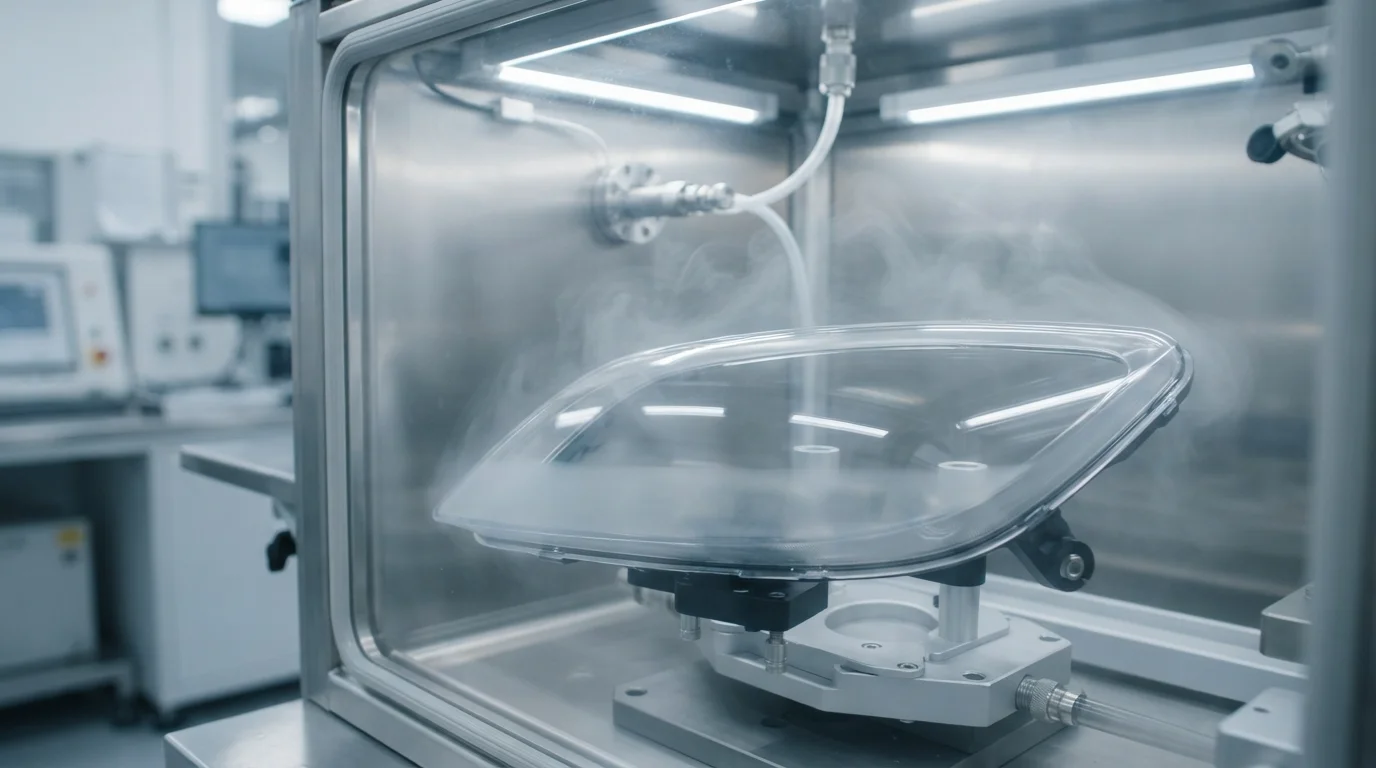
- Optical Perfection: Utilizing vapor polishing to eliminate microscopic surface haziness on clear polycarbonate headlamp lenses.
- Aesthetic & Wear: Imparting Type III hard anodizing onto engine and suspension components to maximize scratch defense.
Module 3 – Facteurs clés de sélection pour la réussite du projet
When specifying surface treatments for vehicle testing, engineering teams must weigh salt spray corrosion hours, film thickness limits, and optical clarity requirements. Evaluating these core parameters ensures your parts survive harsh operating environments.
| Procédé de finition | Matériau du substrat | Avantage de performance principal |
|---|---|---|
| E-Coating (KTL) | Galvanized & Carbon Steel | 1,000+ hours salt spray corrosion defense |
| Type III Hard Anodizing | Structural Aluminum Alloys | Extreme surface hardness and wear resistance |
| polissage à la vapeur | Transparent Plastics (PC, PMMA) | Crystal-clear optical transparency for lenses |
Module 4 – Conseils d'installation et d'entretien
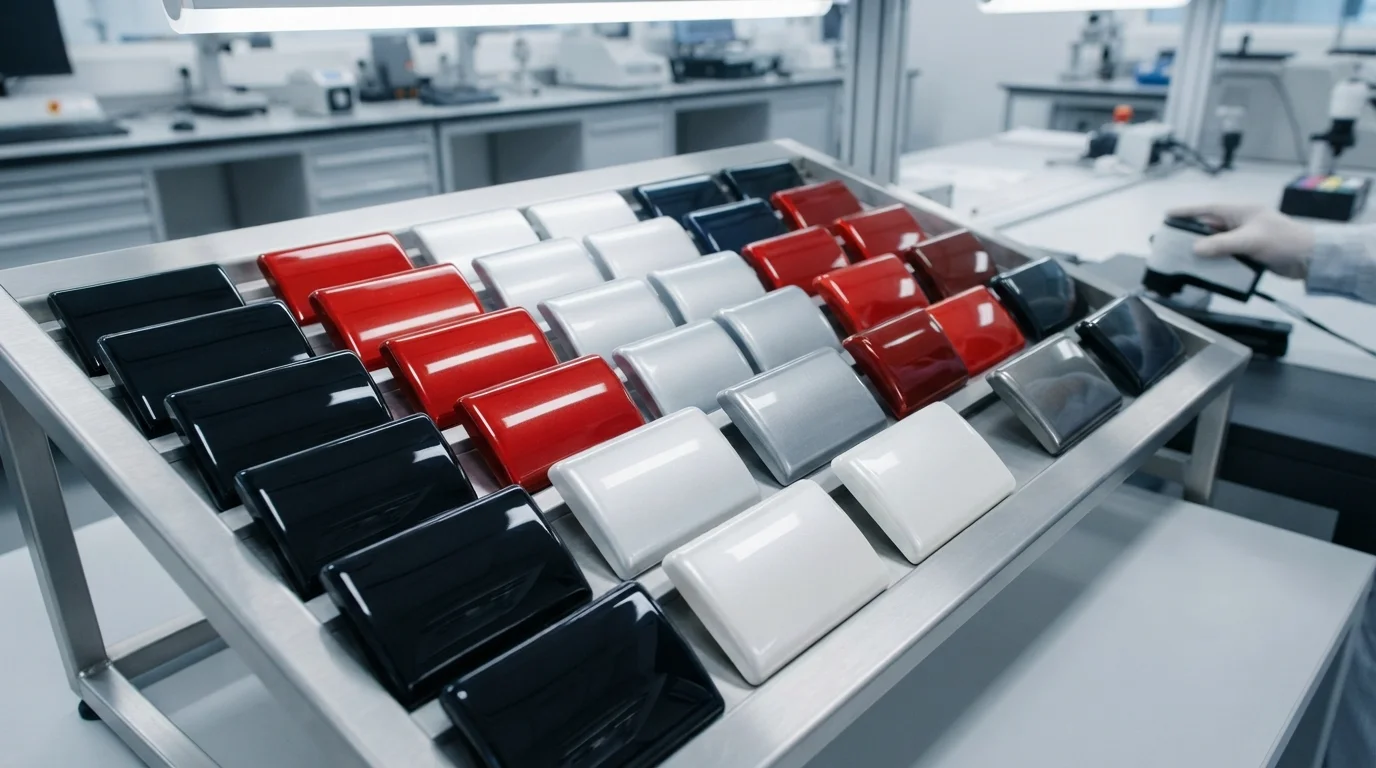
Proper shop-floor handling and routine post-finish inspection safeguard treated metal and plastic components across active vehicle assembly stages. Protecting coated barriers from mechanical scratching ensures long-term corrosion defense.
Conseils clés d'installation et d'entretien :
- Masking Threaded Holes: Protect internal tapped threads using high-temp silicone plugs during painting or anodizing baths.
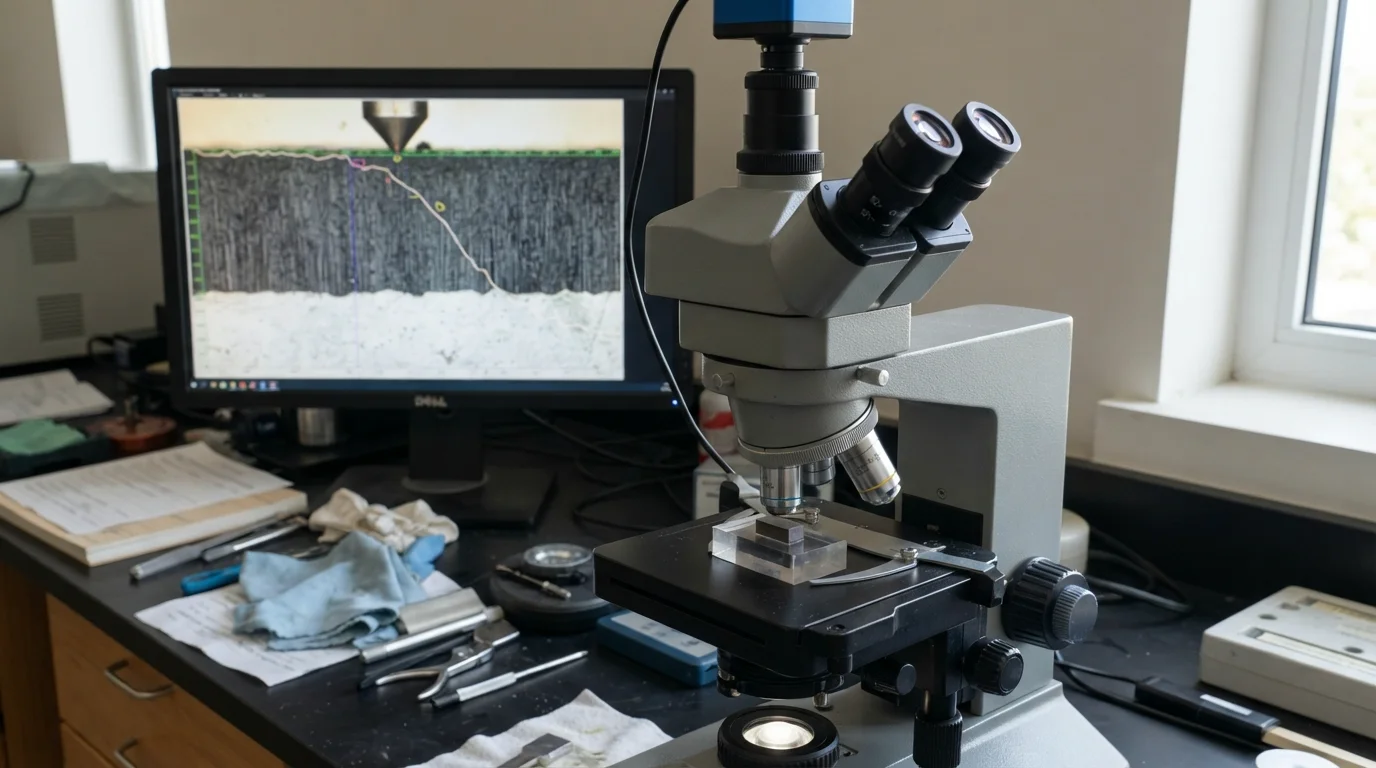
- Coating Integrity Audits: Inspect anodized or e-coated barrier layers under magnification to detect handling scratches.
- Clean Transport: Pack finished components inside clean anti-static bags to prevent environmental debris accumulation.
Module 5 – Frequently Asked Questions (FAQ)
1. What is E-coating and why is it used in automotive manufacturing?
E-coating (electrophoretic painting) submerges metal frames in an electrical paint bath, depositing a uniform rust-proofing primer across every complex crevice.
2. How does vapor polishing achieve optical clarity on plastic lenses?
Vapor polishing exposes transparent polycarbonate or acrylic parts to chemical solvent vapors, melting surface micro-scratches into absolute glass-like clarity.
3. What is the difference between Type II and Type III hard anodizing?
Type II produces a thinner decorative oxide layer, whereas Type III grows a much thicker, exceptionally hard wear-resistant ceramic-like coating for high-stress parts.
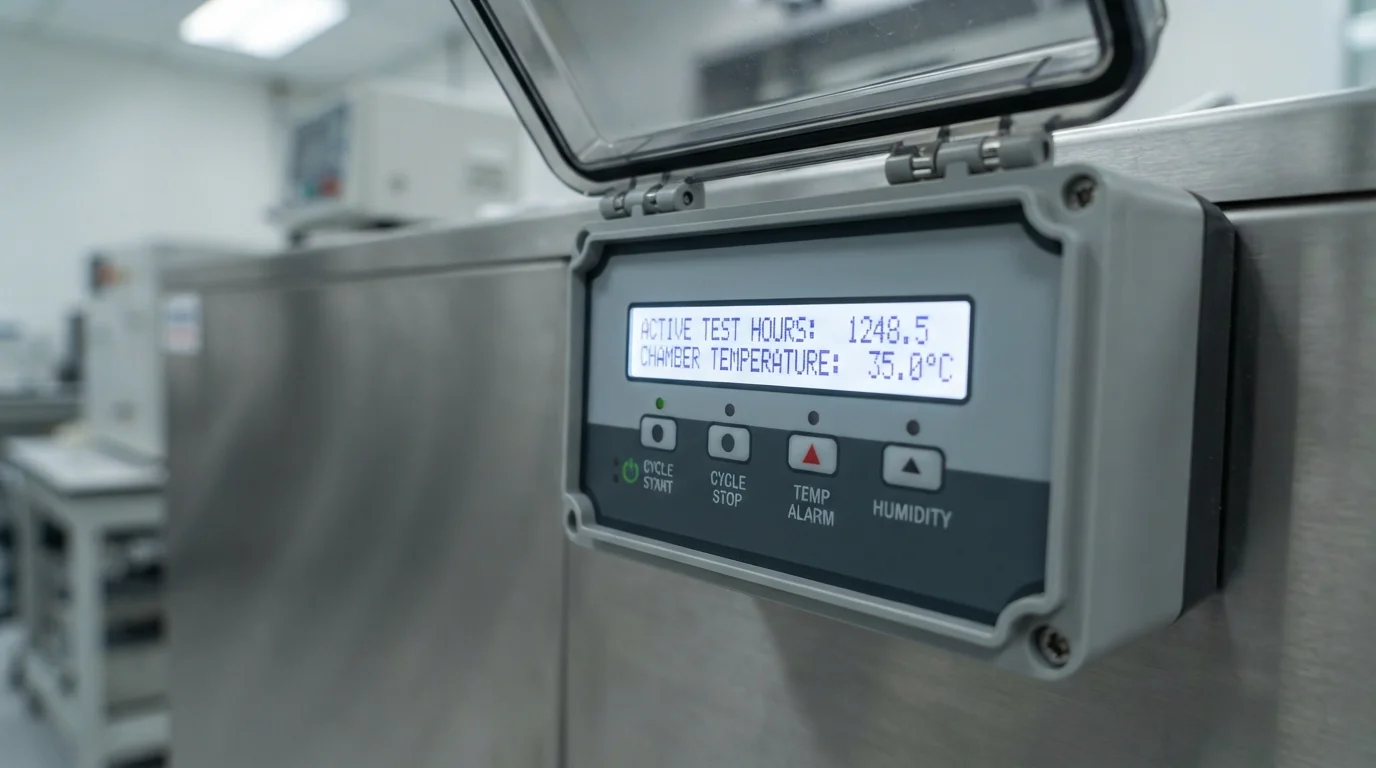
4. How are automotive finishes tested for corrosion resistance?
Finishes are tested inside ASTM B117 salt spray chambers, exposing coated metal panels to corrosive salt fog for hundreds of continuous hours.
5. Can aluminum brackets be dyed various colors during anodization?
Yes, open porous anodic structures can absorb microscopic organic dyes before final sealing, offering custom color options.
6. How does Jucheng Precision support automotive finishing standards?
Jucheng Precision provides certified E-coating, hard anodizing, and vapor polishing under strict IATF 16949 quality management systems.
Module 6 – Why Choose JUCHENG for Your Project
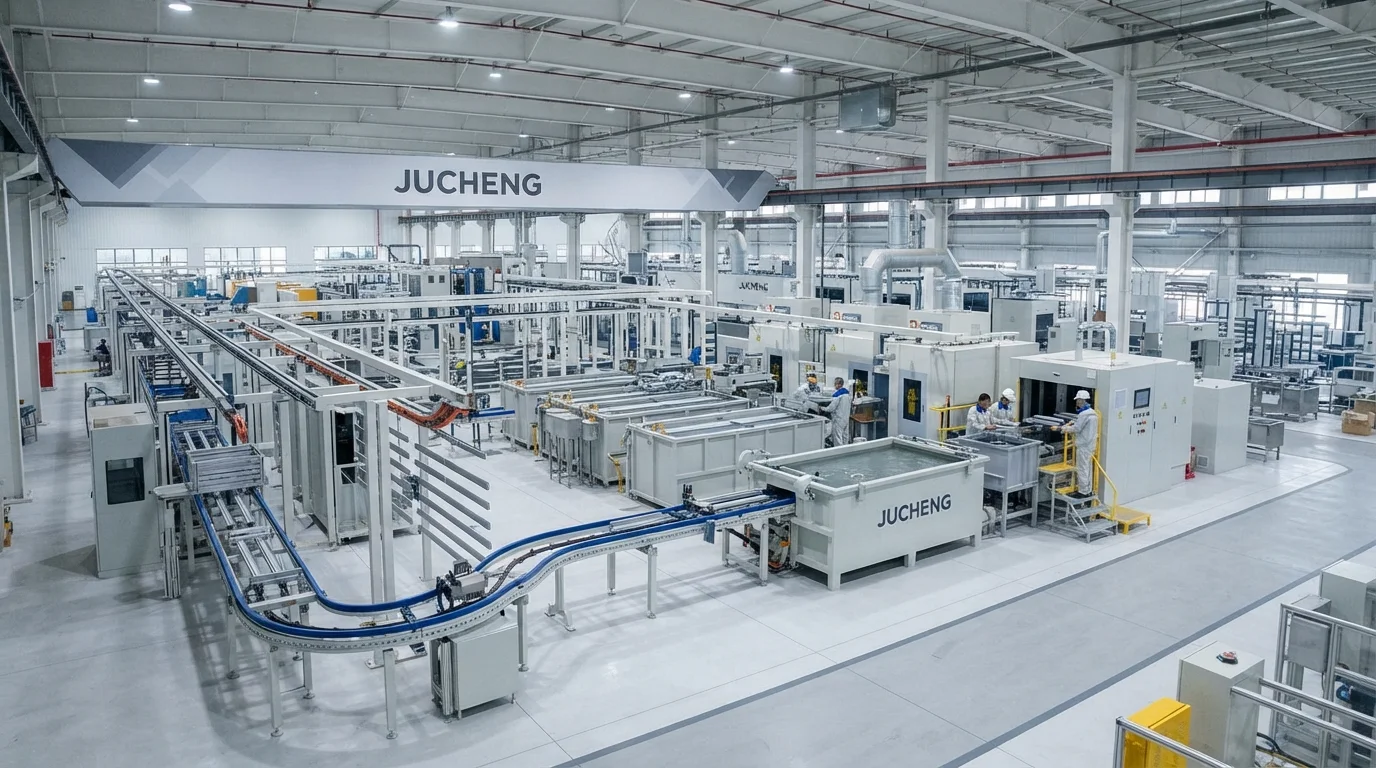
Achieving uncompromising environmental durability requires an experienced manufacturing partner. JUCHENG supports hardware innovators by delivering comprehensive analyses DFM gratuites 24h/24 reviews that analyze coating thickness limits, masking zones, and alloy compatibility prior to production. Founded in Shenzhen in 2012 with an 8,000-square-meter facility in Dongguan, our factory houses 150+ advanced machines, including specialized dust-free coating lines and anodizing baths.
Backed by ISO 9001, ISO 14001, ISO 13485, and IATF 16949 certifications, our engineering teams ensure that executing high-performance automotive surface finishing programs achieves salt-spray compliance and absolute batch consistency.
Ready to Protect Your Automotive Parts with Advanced Finishing?
Upload your 3D models today to receive instant feedback, competitive pricing, and professional DFM analysis from our seasoned engineering experts. Let JUCHENG bring your complex designs to life with unmatched speed and reliability!

