


Robot Materials Selection Guide: Metals, Polymers, and Elastomers
What materials are robots made of? Modern robotic hardware is constructed using three foundational material categories: lightweight high-strength metals (aerospace 7075-T6 aluminum, magnesium AZ91D, and titanium alloys to minimize rotational inertia and dead weight), wear-resistant engineering polymers (PEEK and Delrin for self-lubricating gears, cable conduits, and low-friction bushings), alongside compliant elastomers (TPU and silicone for slip-resistant bionic gripping pads), backed by high-tensile alloy steel drive shafts that withstand extreme peak torque shocks. Evaluating certified robot materials establishes whether an articulated arm maintains rigid trajectory repeatability or suffers from premature fatigue degradation.
Balancing specific yield strength against material density dictates how fast an articulated arm can accelerate without inducing vibrational settling at the end-effector. Understanding how various raw substrates behave under continuous dynamic stress ensures optimal component longevity across industrial automation, medical robotics, and humanoid development programs.
High-Strength Aerospace Aluminum (7075-T6 vs. 6061) for Moving Arm Links
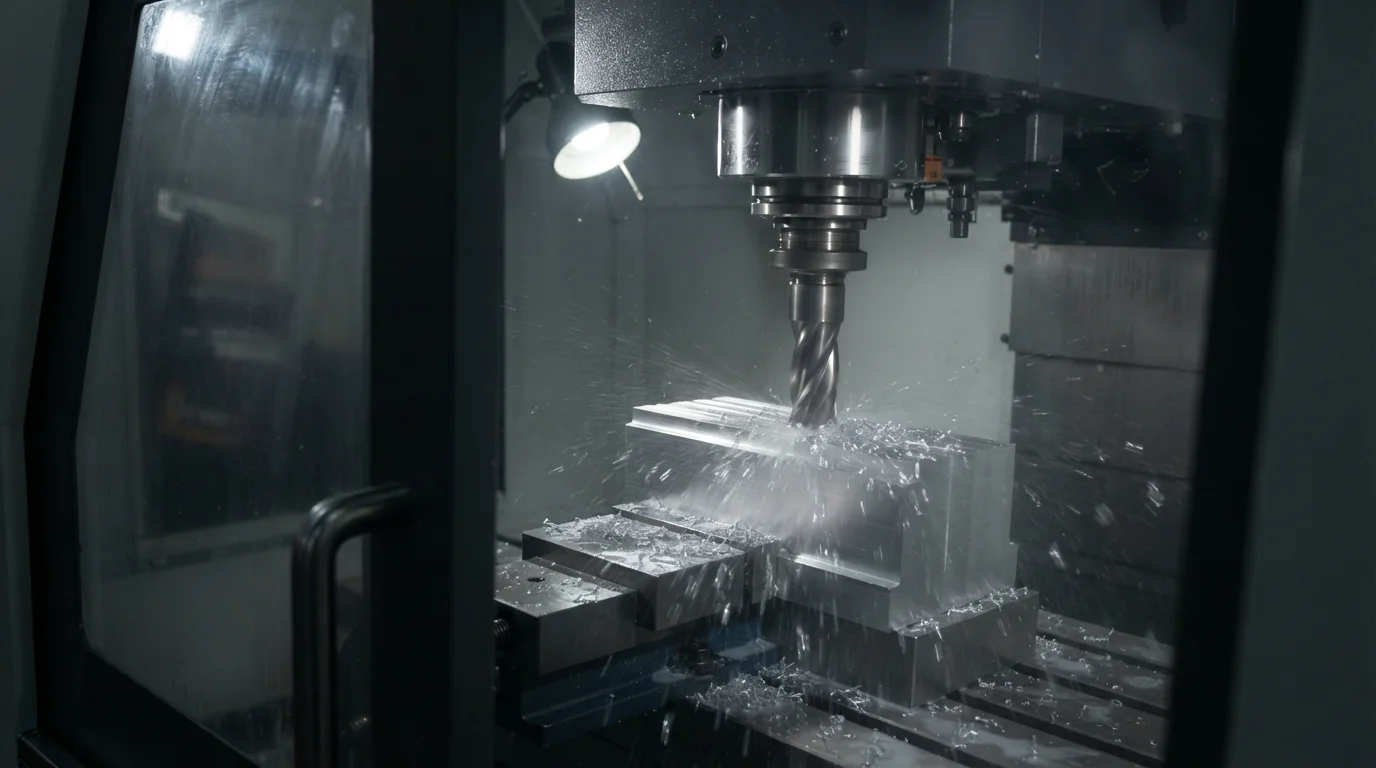
Rotational inertia increases exponentially with distance from the base joint, making mass reduction at the upper arm and wrist joints critical for dynamic responsiveness. While standard 6061-T6 aluminum offers adequate strength for stationary base plates and framing brackets, high-acceleration link arms demand the exceptional yield strength of AL7075-T6. Its superior mechanical properties prevent elastic deflection during high-speed emergency stop decelerations, preserving trajectory precision.
Key considerations when machining structural arm linkages include:
- High yield-to-density ratio: 7075-T6 delivers nearly double the yield strength (503 MPa) of 6061-T6 (276 MPa), allowing thinner pocket walls without structural flexing.
- Dimensional stability during deep pocketing: Stress-relieved plate stock minimizes internal stress release during heavy material removal passes.
- Surface protection: Bare 7075 possesses lower natural corrosion resistance than 6061, requiring Type III hardcoat anodizing for harsh factory environments.
Wear-Resistant Engineering Plastics: PEEK and Delrin for Bushings and Gears
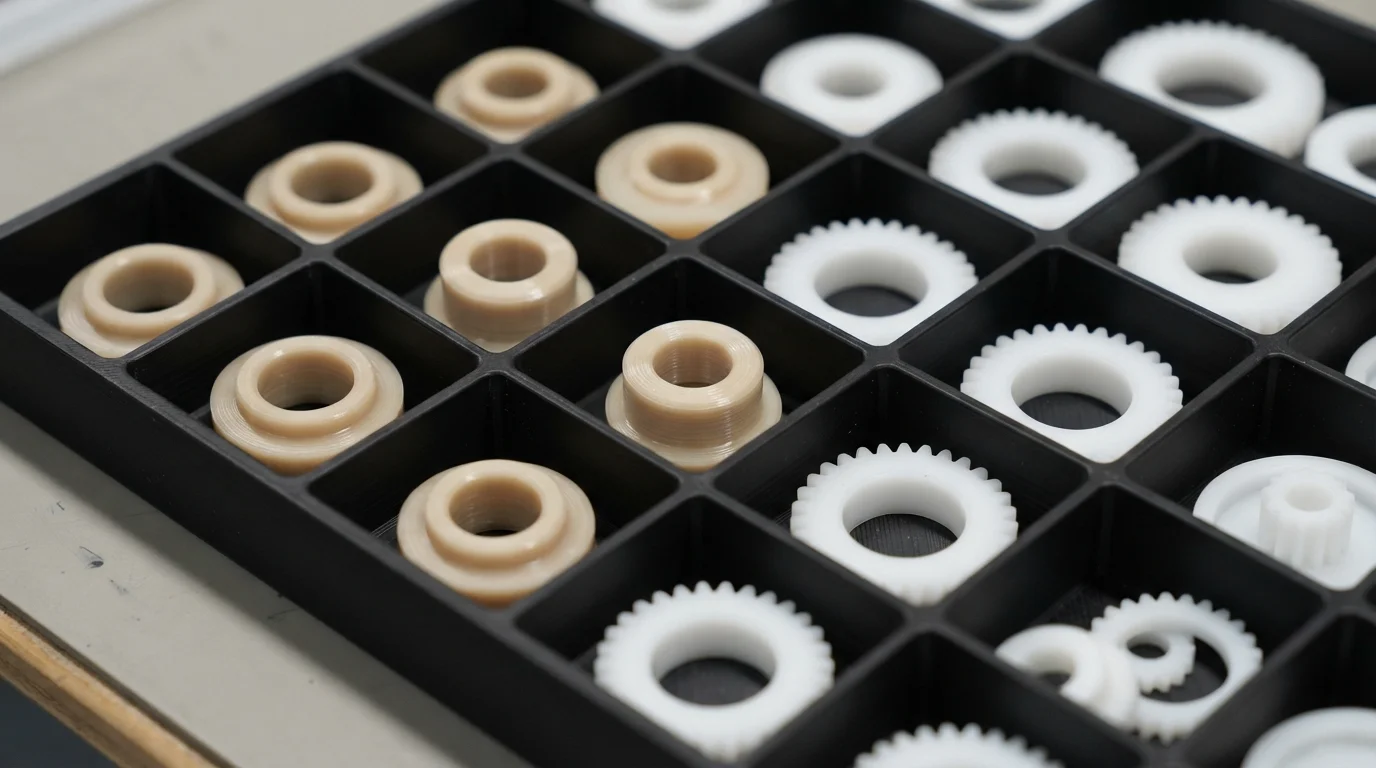
Not every joint interface requires heavy metallic construction. Incorporating specialized engineering polymers into internal gear trains, cable guide pulleys, and sliding bushings eliminates the need for messy liquid lubricants while dampening acoustic operational noise. When mechanical designers source functional robot materials, balancing friction coefficients against dimensional stability in humid environments determines whether internal mechanisms operate smoothly over multi-year cycles. Discussions across mechatronics groups on Reddit and Facebook emphasize that choosing self-lubricating acetal over standard nylon prevents moisture-induced swelling in precision gearboxes.
Evaluating common non-metallic substrates highlights distinct operational envelopes:
| Material Category | Key Mechanical Attribute | Typical Robotic Mechanism |
|---|---|---|
| Delrin (POM-H) | Low friction, high dimensional stability, zero moisture swelling | Planetary gear stages, cable pulleys, guide bushings |
| PEEK vierge | High continuous service temperature (250°C), superior chemical defense | Surgical robot handpieces, cleanroom actuator isolators |
| 42CrMo4 / 4140 Steel | High torsional fatigue strength, surface hardenable to 58 HRC | Main drive output shafts, harmonic wave generator splines |
High-Torque Alloy Steels for Drive Shafts, Splines, and Bearings
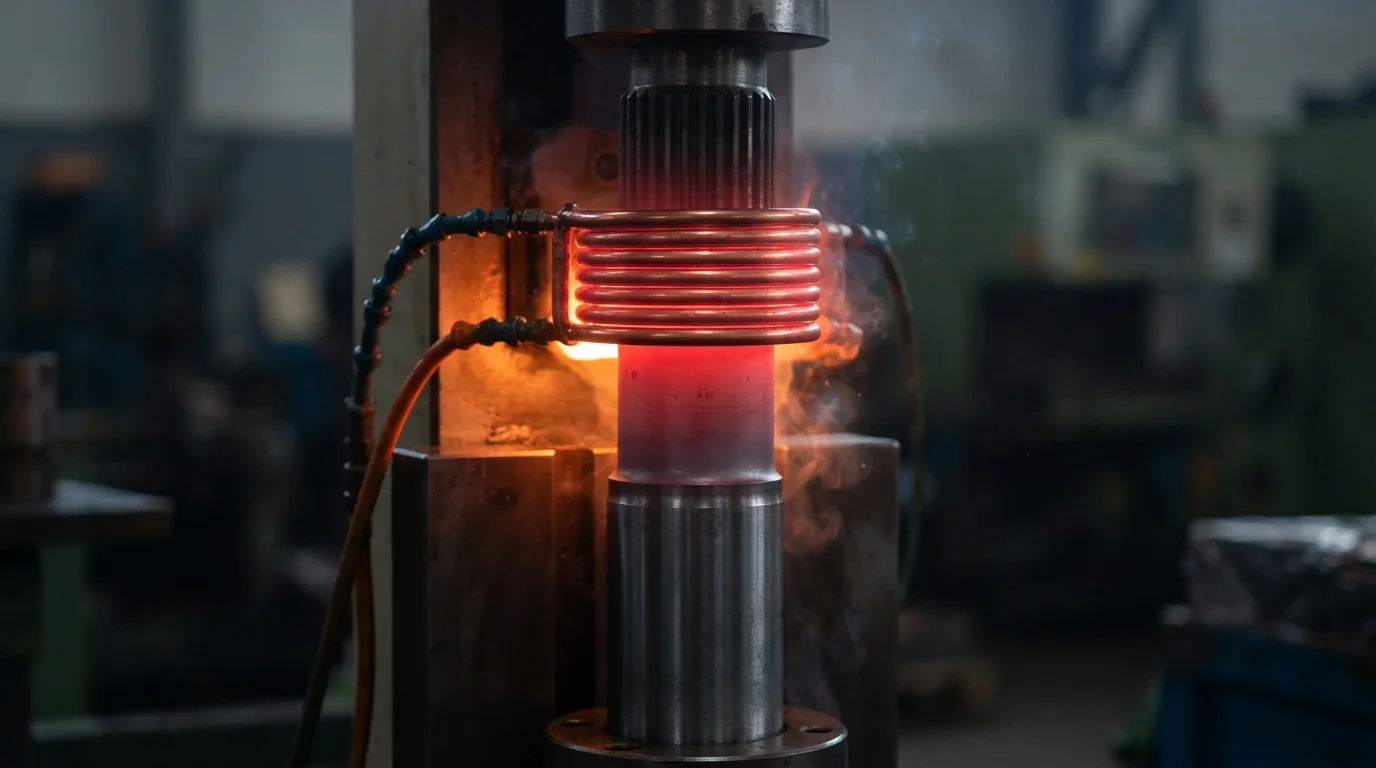
While lightweight aluminum forms the exterior structural arms, internal transmission shafts experience extreme concentrated torsional shear. Utilizing pre-toughened alloy steels like 4140 or 4340 ensures that output splines and keyways do not deform under sudden motor stalls. Post-machining induction hardening or gas nitriding increases tooth surface hardness while preserving a ductile, shock-absorbing core.
Flexible Elastomers (TPU and Silicone) for Tactile Grippers and Suction Cups
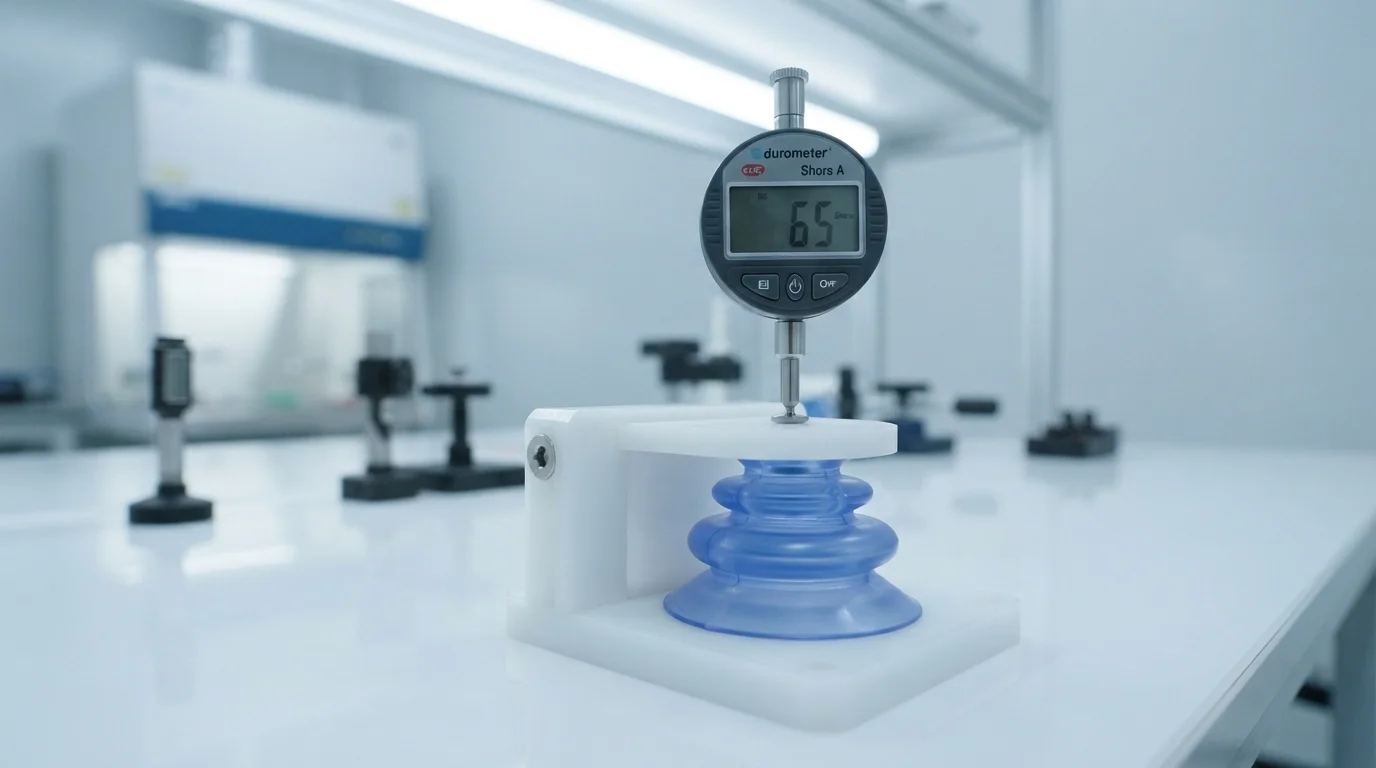
End-effectors and robotic gripper jaws require compliant contact surfaces capable of adapting to varying part geometries without leaving cosmetic scuffs. Molding tactile pads from thermoplastic polyurethane (TPU) or platinum-cured silicone provides the friction necessary to grasp polished metal, glass, or fragile food products securely:
- Shore A durometer tuning: Specifying 40A to 60A durometers ensures adequate deformation around irregular shapes while maintaining tear resistance.
- Overmolded chemical bonding: Plasma-treating metal or rigid polymer finger cores before overmolding guarantees permanent bond strength under dynamic shear.
- Non-marking formulations: Cleanroom-grade silicones prevent oil migration and carbon black deposition onto delicate electronic assemblies.
Raw Stock Handling, Heat Treatment, and Lot Traceability Protocols
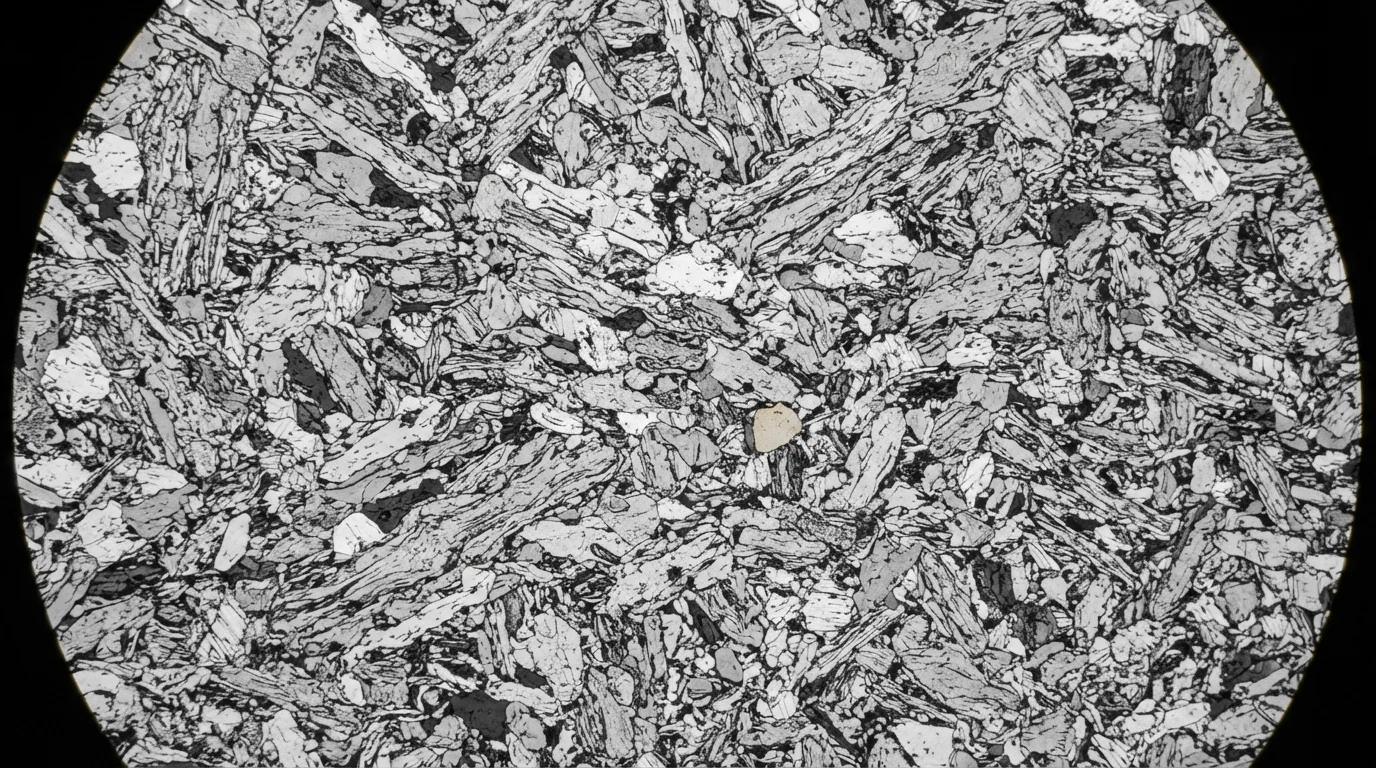
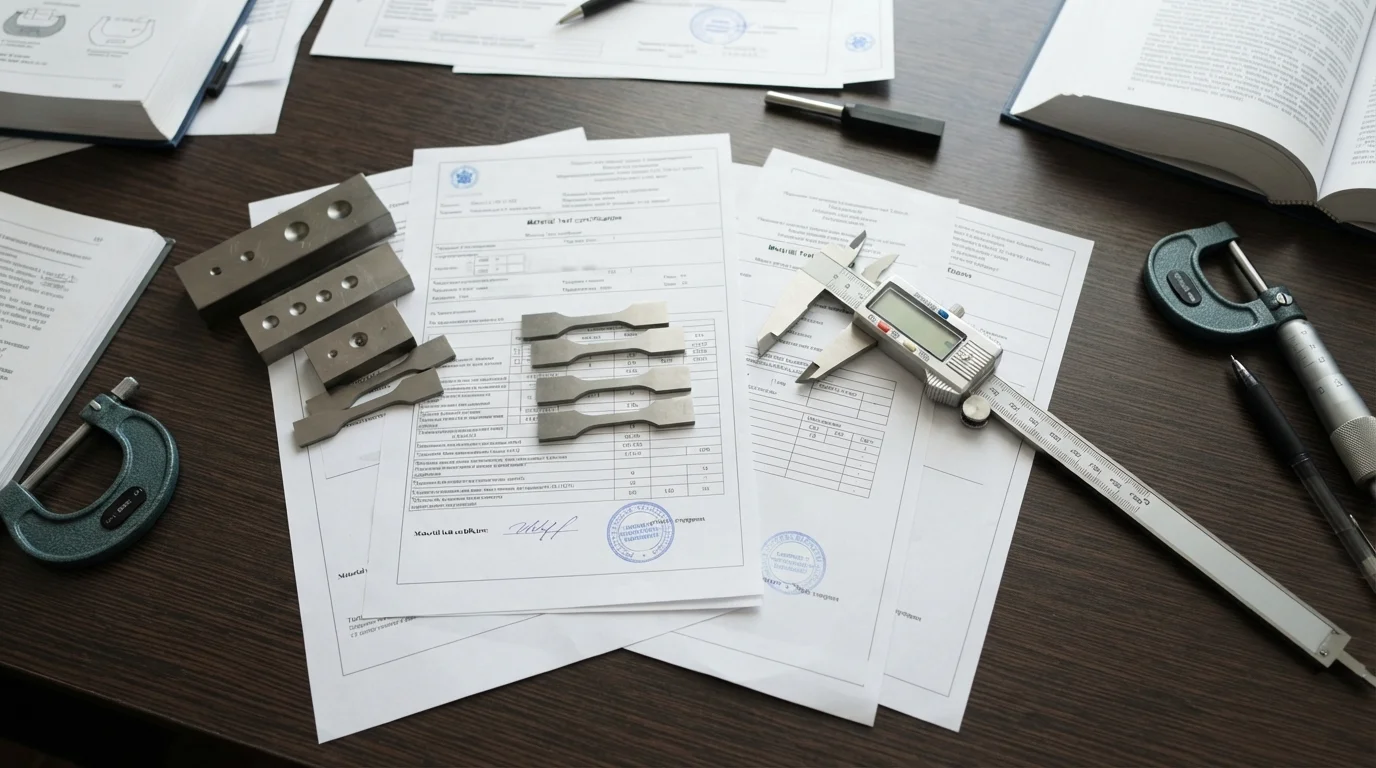
Maintaining consistent kinematic performance across production batches requires rigorous verification of raw material heat numbers and mechanical properties. Sourcing uncertified bar stock risks micro-porosity and inconsistent hardness that leads to unexpected joint deflection under rated payload limits.
Key material quality protocols include:
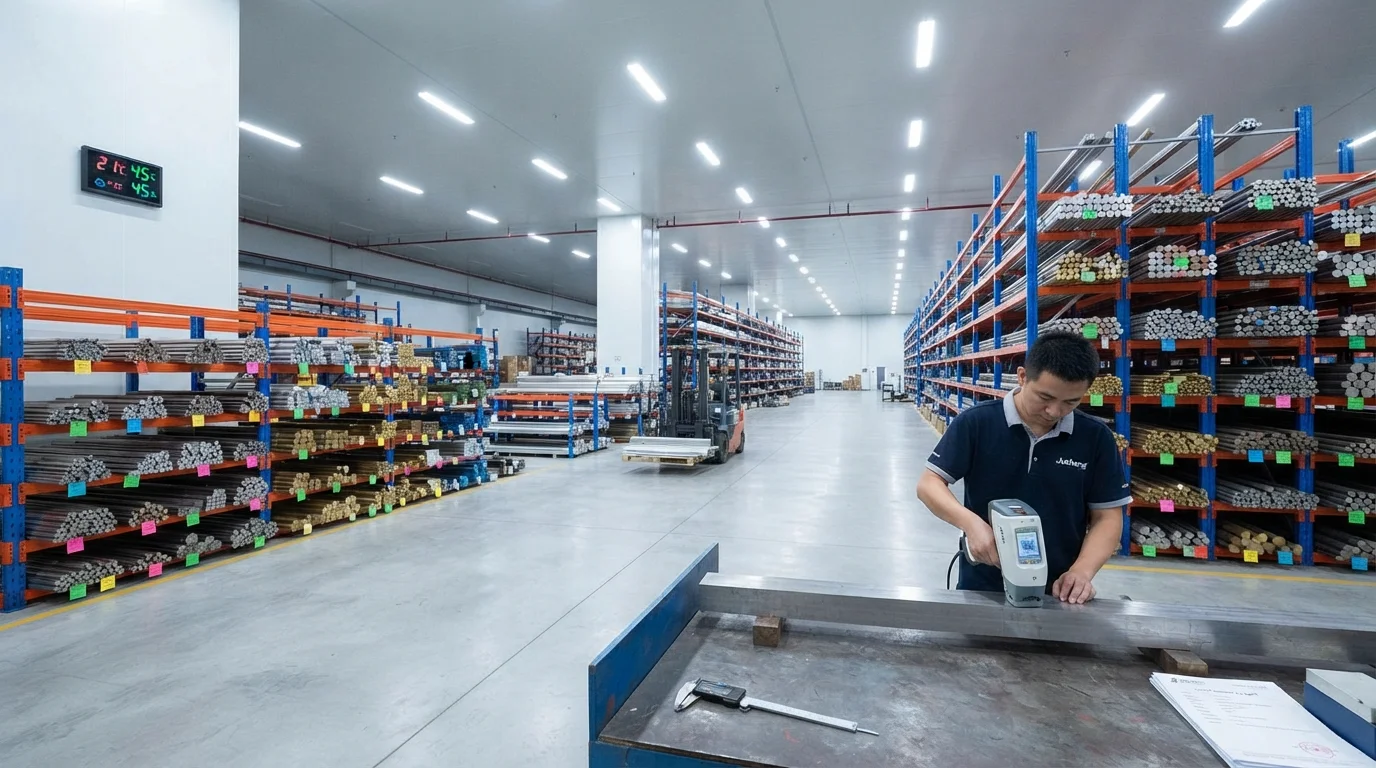
- Spectrometric verification: Testing incoming metal alloy billets via optical emission spectrometry to verify elemental composition against ASTM standards.
- Controlled stress-relief annealing: Subjecting heavily pocketed aluminum arm castings to thermal normalization before final precision boring passes.
- Full Material Test Report (MTR) archiving: Maintaining digital material certs tied to serialized robot frames for complete lifecycle traceability.
Foire aux questions (FAQ)
1. Why is aluminum 7075-T6 better than 6061-T6 for robotic arm links?
Aluminum 7075-T6 possesses nearly double the yield strength (503 MPa vs. 276 MPa) of 6061-T6, significantly reducing arm deflection, vibrational settling time, and endpoint overshoot during high-speed emergency stops.
2. When should PEEK be chosen over Delrin for internal robotic components?
PEEK is selected when mechanisms operate in high-temperature environments (up to 250°C), undergo aggressive chemical washdowns, or require surgical cleanroom biocompatibility where Delrin cannot survive.
3. What alloy steel is best suited for high-torque robotic transmission shafts?
Chromium-molybdenum alloy steels like 4140 or 4340 are ideal because they can be surface-hardened to 55–60 HRC for spline wear resistance while maintaining a tough, ductile core that absorbs torsional shock.
4. Can carbon fiber composite completely replace aluminum in robotic arms?
Carbon fiber offers superior specific stiffness for long arm tubes, but precision metallic inserts (aluminum or titanium) are still mandatory at joint pivot points to seat bearings and handle concentrated bolting torque.
5. How do flexible TPU gripper pads resist wear over millions of pick-and-place cycles?
Thermoplastic polyurethane possesses exceptional abrasion resistance and high tear strength, maintaining its surface friction and compliance far longer than standard natural rubbers.
6. How does Jucheng Precision verify incoming raw material authenticity?
Jucheng Precision verifies every incoming alloy batch using optical emission spectrometry, ultrasonic flaw testing, and authenticated mill test certs under certified ISO 9001 and IATF 16949 quality systems.
Why Choose JUCHENG for Your Robotics Sourcing
Achieving optimal kinematic acceleration while preventing fatigue failure requires an experienced manufacturing partner with deep metallurgical expertise and advanced multi-axis machining infrastructure. JUCHENG supports robotics innovators by delivering comprehensive analyses DFM gratuites 24h/24 reviews that analyze alloy stress limits, thermal dissipation profiles, and toolpath strategies prior to cutting metal stock. Founded in Shenzhen in 2012 with an 8,000-square-meter facility in Dongguan, our factory houses 150+ advanced machines, including 25+ high-performance 5-axis Haas and Mazak milling centers alongside specialized plastic injection and cleanroom assembly cells [9.10].
Backed by ISO 9001, ISO 14001, ISO 13485, and IATF 16949 certifications, our engineering teams ensure that procuring high-grade robot materials delivers verified chemical authenticity, sub-micron machining precision, full Material Test Report (MTR) traceability, and absolute batch consistency.
Ready to Source Certified Materials for Your Robotic Hardware?
Upload your 3D models today to receive instant feedback, competitive pricing, and professional DFM analysis from our seasoned engineering experts. Let JUCHENG bring your complex designs to life with unmatched speed and reliability!

