


Matériaux pour dispositifs médicaux : biocompatibilité et sélection
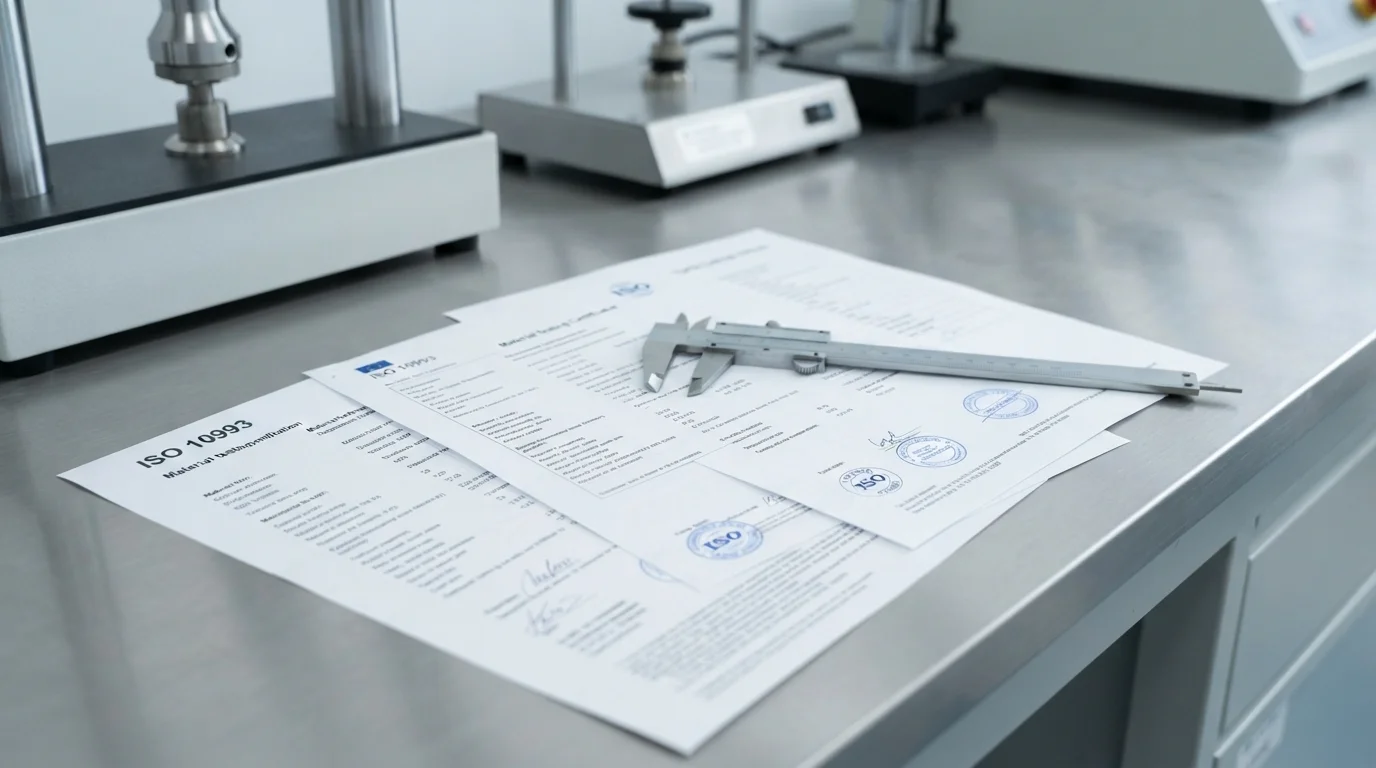
La spécification du substrat brut idéal pour la technologie de santé représente un point critique où la sécurité biologique croise la survie mécanique. Lorsque les équipes d'ingénierie biomédicale développent des pièces à main chirurgicales, des cassettes de diagnostic cardiovasculaire ou des implants orthopédiques permanents, la sélection de matériaux pour dispositifs médicaux certifiés détermine si un produit passe les contrôles rigoureux de cytocompatibilité et de cytotoxicité. L'approvisionnement en alliages non certifiés ou en polymères de qualité inférieure introduit des risques de lixiviation chimique qui font immédiatement échouer les approbations réglementaires internationales.
L'utilisation d'un partenaire de production expérimenté garantit que le titane à haute résistance (Ti-6Al-4V ELI) et les PEEK polymères haute performance.
survivent à une exposition chimique et thermique continue. Examinons les propriétés des matériaux, les cadres de biocompatibilité et les compatibilités de stérilisation qui animent la fabrication moderne de matériel médical.
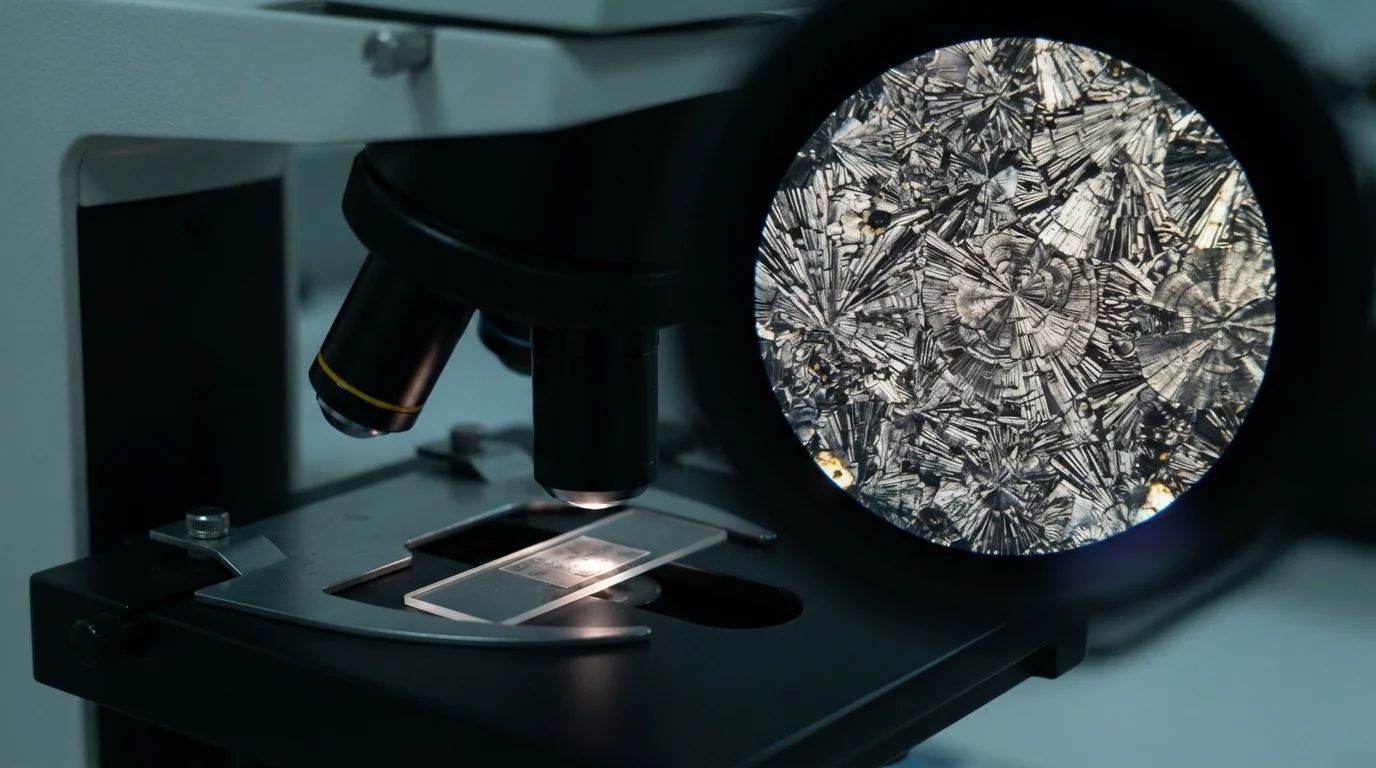
Module 1 – Définition et principes de fonctionnement de la science des matériaux biocompatibles usinage CNC, La science des biomatériaux évalue la réponse biologique et la stabilité mécanique des substrats synthétiques placés en contact direct ou indirect avec le tissu humain vivant. Le principe de fonctionnement repose sur l'inertie biologique—garantissant que le substrat ne provoque pas de réactions immunitaires, toxiques ou inflammatoires indésirables pendant des durées d'exposition spécifiées. Alors que les métaux structurels sont généralement formés par précision, les cassettes de fluides délicates et les joints souples dépendent du moulage par injection médical en salle blanche pour maintenir la pureté chimique.
Pour exécuter un protocole structuré de sélection des matériaux pour les applications cliniques, les équipes d'ingénierie pourraient suivre ces étapes pratiques :
- Dépistage de la biocompatibilité : Vérifier que les résines brutes et les lingots métalliques sont entièrement conformes aux directives ISO 10993 concernant la cytotoxicité, la sensibilisation et la toxicité systémique.
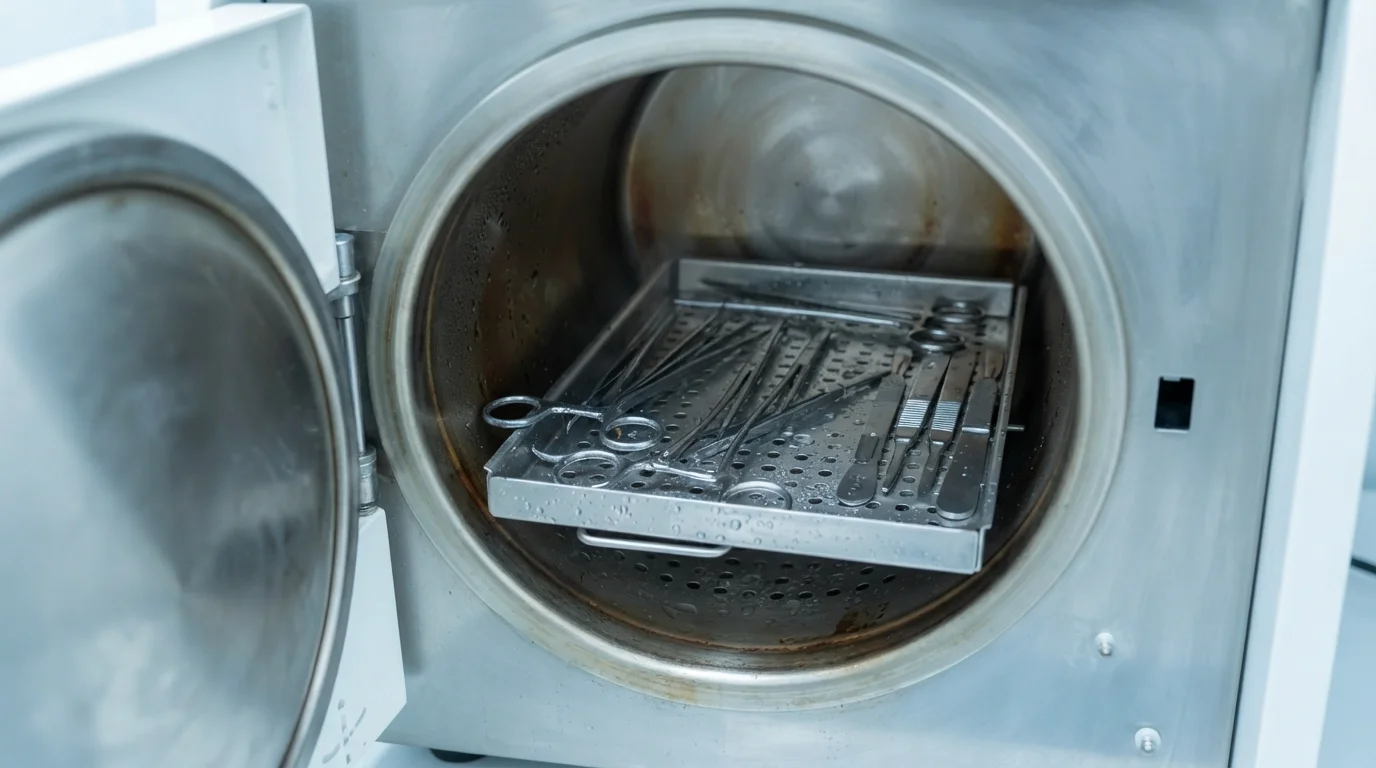
- Cartographie des méthodes de stérilisation : Aligner les seuils de déflexion thermique des polymères avec les protocoles de vapeur d'autoclave (134°C), d'irradiation gamma ou de gaz à l'oxyde d'éthylène (EtO).
- Audit de traçabilité des lots : Exiger des certificats de contrôle en usine et des certificats d'analyse chimique (CoA) de la part des fournisseurs de matières premières certifiés.
Module 2 – Scénarios d'application principaux
Le déploiement de substrats cliniques spécialisés est obligatoire dans la robotique chirurgicale, la reconstruction orthopédique et les puces fluidiques de diagnostic automatisé, où la dégradation des matériaux compromet directement les soins aux patients. Lorsque les pionniers de la santé conçoivent des caméras endoscopiques de nouvelle génération, la sélection de matériaux certifiés matériaux pour dispositifs médicaux garantit une résistance chimique aux désinfectants agressifs utilisés dans les hôpitaux. Les retours des groupes d'ingénierie biomédicale sur Reddit et Facebook soulignent que l'adaptation de l'élasticité des polymères au module osseux humain accélère la récupération post-opératoire.
Les principaux secteurs d'application comprennent :
- Implants orthopédiques : Usinage de cages spinales en titane et de remplacements articulaires en cobalt-chrome exigeant des limites de fatigue élevées et des surfaces naturelles de croissance osseuse.
- Pièces à main chirurgicales : Fabrication de corps d'outils compatibles autoclave en acier inoxydable 316L de qualité médicale et à fort impact polycarbonate (PC).
- Cassettes fluidiques : Moulage de réservoirs de diagnostic transparents à partir d'ABS médical optique ABS médical et de joints caoutchouc de silicone liquide (LSR) véritable, réticulé au platine flexibles.
Module 3 – Facteurs clés de sélection pour la réussite du projet
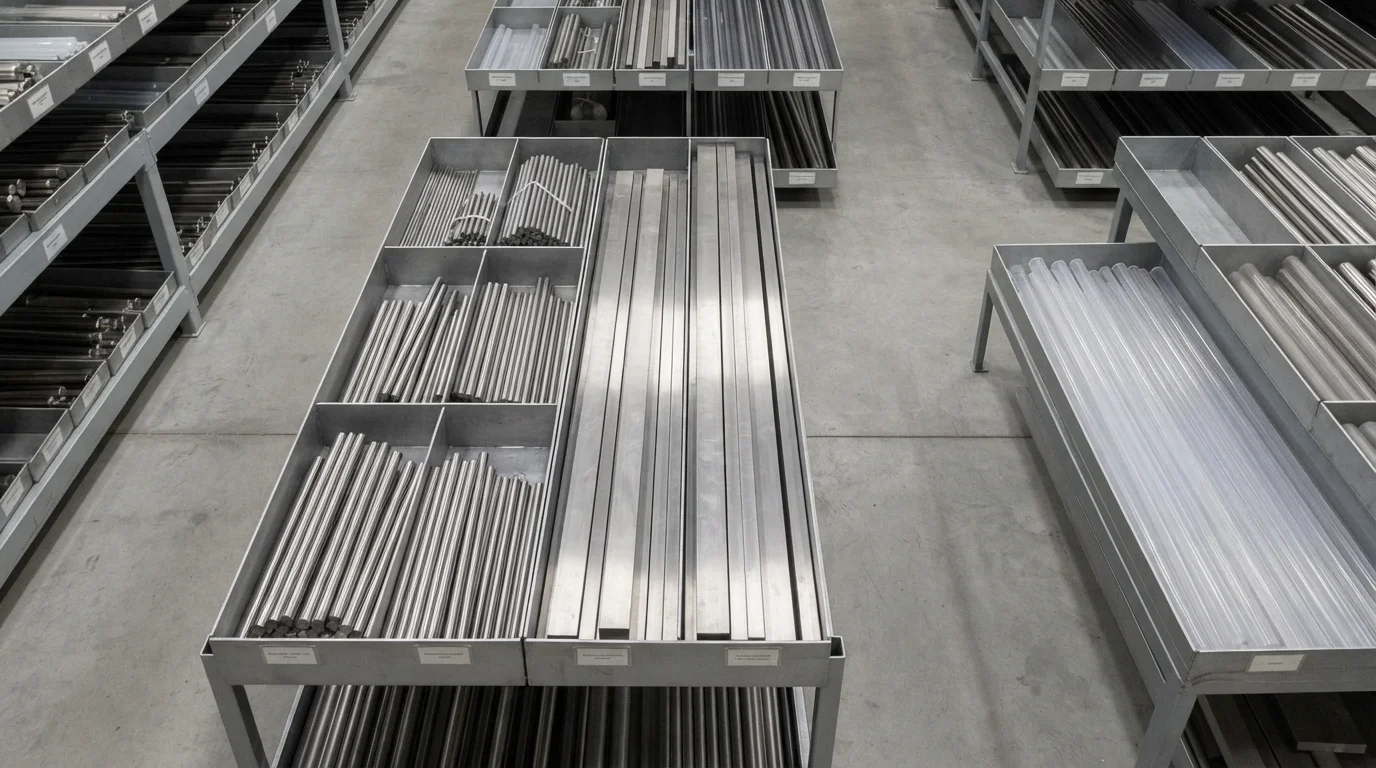
Lors de la spécification de substrats pour les équipements de santé, les équipes d'ingénierie doivent évaluer la résistance mécanique à la traction, l'inertie chimique et la résistance spécifique à la stérilisation. L'évaluation de ces paramètres fondamentaux garantit que vos dispositifs médicaux résistent aux cycles agressifs de stérilisation en salle d'opération.
| Grade du matériau | Compatibilité de stérilisation | Bénéfice clinique principal |
|---|---|---|
| Titane Ti-6Al-4V ELI | Autoclave, Gamma, EtO, E-Beam | Ostéointégration supérieure, rapport résistance/poids élevé, totalement inerte |
| PEEK médical | Autoclave (vapeur à 134°C), Gamma, EtO | Le module d'élasticité correspond à celui de l'os cortical humain, radiotransparent |
| Polycarbonate médical (PC) | Gaz EtO, rayonnement gamma | Haute transparence optique pour la surveillance des fluides, résistant aux chocs |
Module 4 – Conseils d'installation et d'entretien
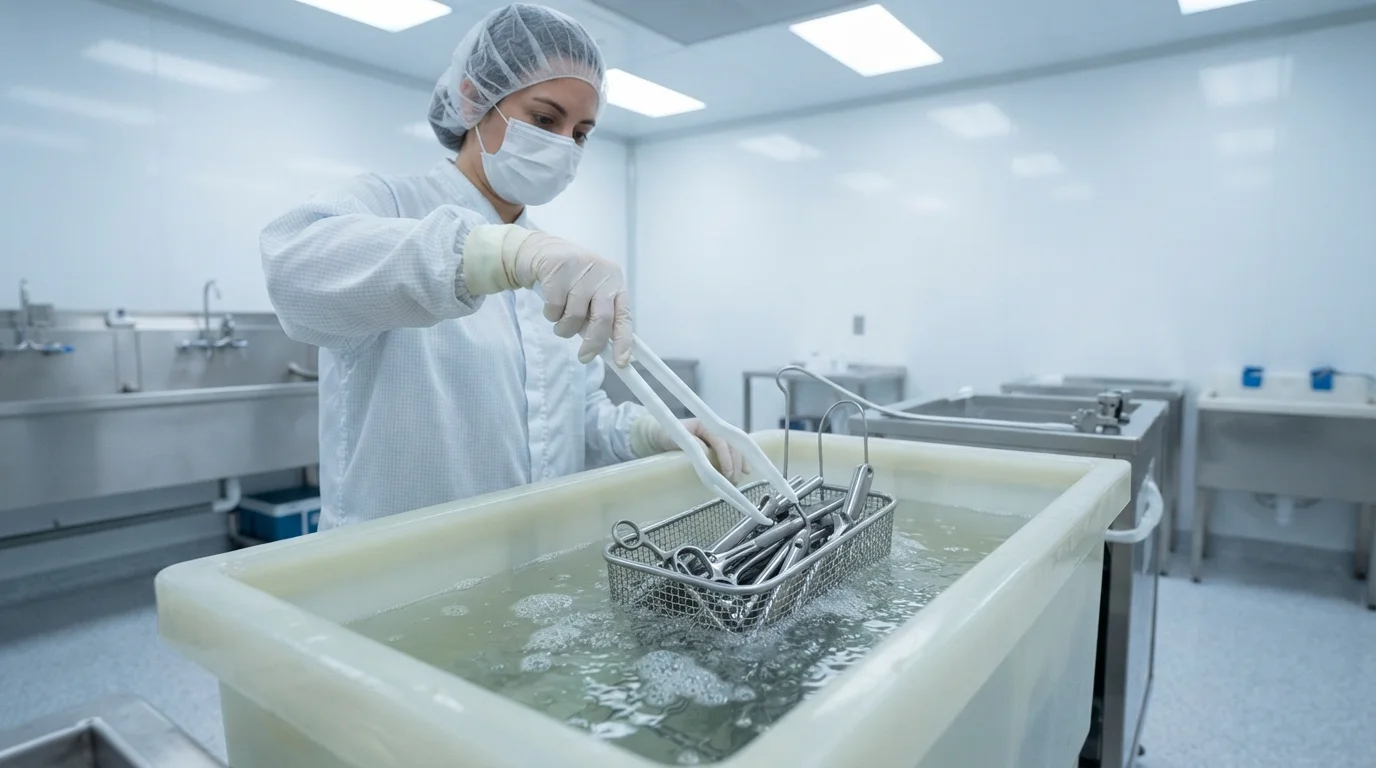
Une décontamination appropriée en salle blanche, une passivation de surface et des audits réguliers de stérilisation préservent l'intégrité des matériaux sur des durées de vie cliniques exigeantes. Protéger les surfaces métalliques et polymères brutes contre la contamination croisée garantit une sécurité ininterrompue des patients.
Conseils clés d'installation et d'entretien :
- Nitric Acid Passivation: Subject surgical stainless steel instruments to chemical passivation baths to remove free iron and prevent surface pitting.
- Autoclave Cycle Auditing: Inspect polymer seals made from TPU or silicone periodically under magnification to verify resilience against high-pressure steam.
- Cleanroom Segregation: Store medical-grade raw resin pellets and metal bars in climate-controlled, dust-free holding bays to prevent particulate contamination.
Module 5 – Foire aux questions (FAQ)
1. Why is PEEK so widely used in medical devices and implants?
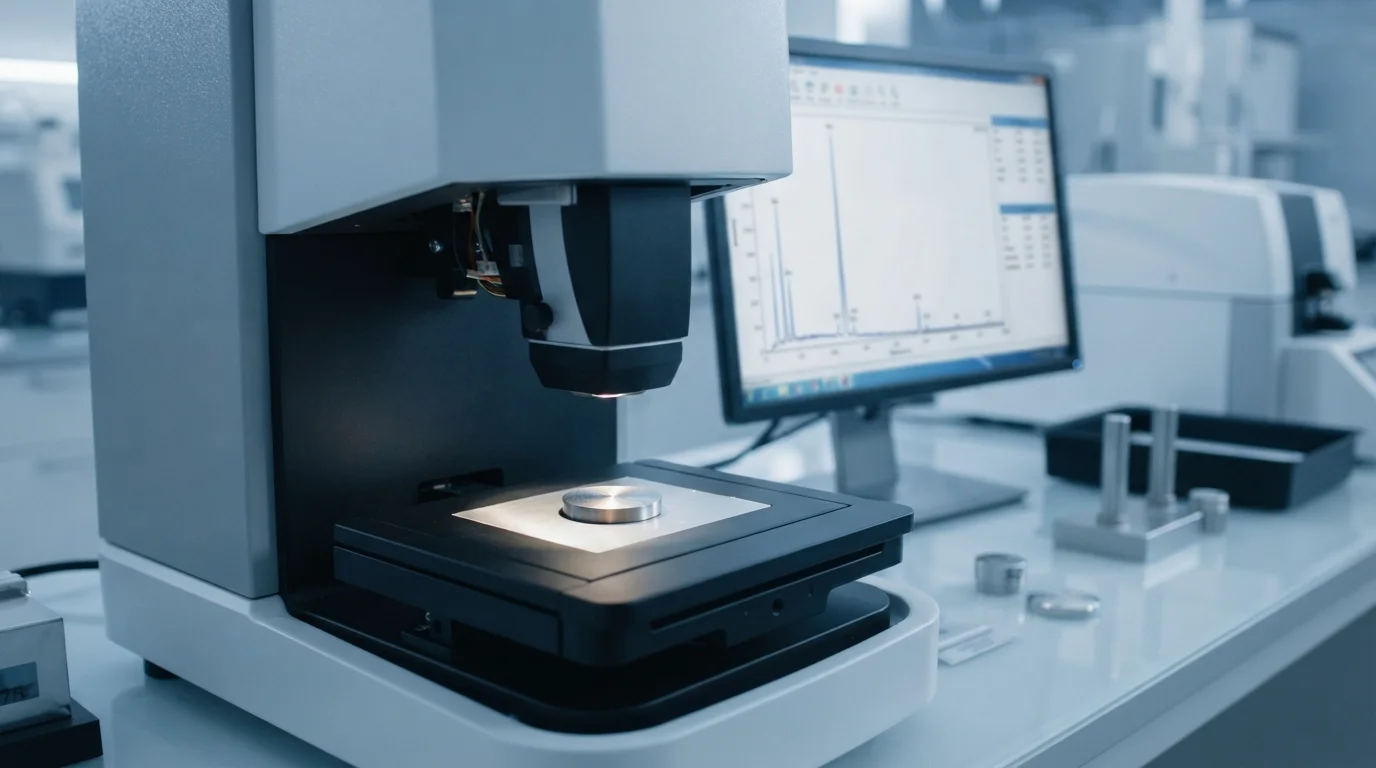
PEEK is biologically inert, withstands temperatures up to 250°C, resists repeated autoclave steam sterilization, and has an elastic modulus closely matching natural human bone.
2. What is the difference between standard 316 stainless steel and 316L medical grade?
316L contains significantly lower carbon content (less than 0.03%), which prevents carbide precipitation during welding and substantially improves corrosion resistance in bodily fluids.
3. What international standard governs biological evaluation of medical materials?
ISO 10993 is the global standard framework used to evaluate cytotoxicity, sensitization, irritation, hemocompatibility, and implantation effects for medical devices.
4. Can medical-grade polycarbonate survive repeated autoclave sterilization?
Standard polycarbonate degrades under high-pressure steam autoclaves; it is best sterilized via Gamma radiation or Ethylene Oxide (EtO) gas to prevent micro-cracking and hazing.
5. Why is titanium Ti-6Al-4V ELI preferred for permanent orthopedic implants?
The “Extra Low Interstitial” (ELI) grade contains reduced oxygen and iron impurities, providing superior fracture toughness and fatigue resistance for load-bearing bone implants.
6. How does Jucheng Precision guarantee raw material traceability?
Jucheng Precision maintains 100% lot traceability, providing authentic mill test certificates and chemical Certificates of Analysis (CoA) for all medical-grade metals and resins under ISO 13485 quality systems.
Module 6 – Pourquoi choisir JUCHENG pour votre projet
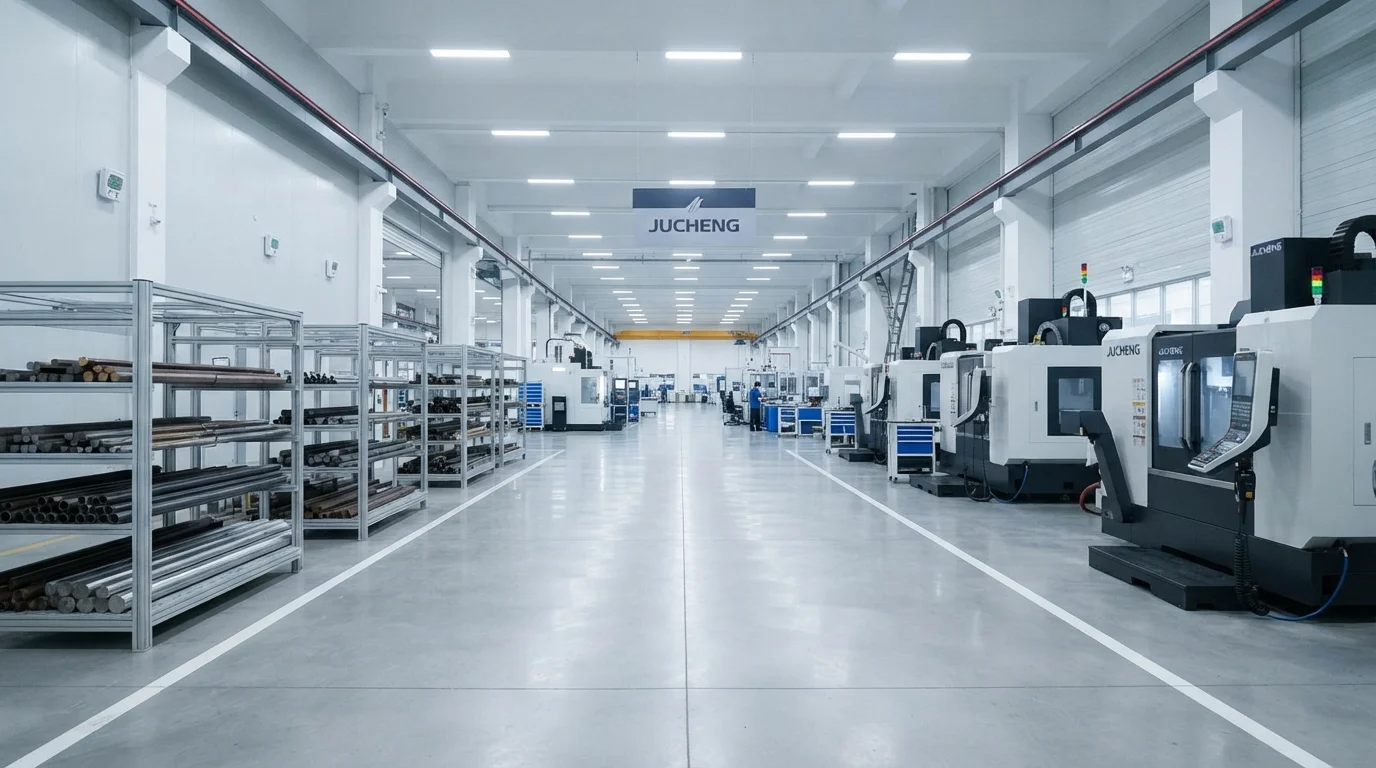
Achieving uncompromising clinical performance requires an experienced manufacturing partner with robust material compliance infrastructure. JUCHENG supports healthcare innovators by delivering comprehensive analyses DFM gratuites 24h/24 reviews that analyze chemical resistance, sterilization suitability, and mechanical tolerances prior to cutting metal or cutting mold cavities. Founded in Shenzhen in 2012 with an 8,000-square-meter facility in Dongguan, our factory houses 150+ advanced machines, including 25+ high-performance 5-axis Haas and Mazak milling centers alongside dedicated medical molding cleanrooms.
Backed by ISO 9001, ISO 14001, ISO 13485, and IATF 16949 certifications, our engineering teams ensure that sourcing certified matériaux pour dispositifs médicaux achieves complete biological safety, full Certificate of Analysis (CoA) traceability, and absolute batch consistency.
Ready to Source Certified Materials for Your Medical Devices?
Upload your 3D models today to receive instant feedback, competitive pricing, and professional DFM analysis from our seasoned engineering experts. Let JUCHENG bring your complex designs to life with unmatched speed and reliability!

