


Comprendre le comportement de contraction thermique des polymères pendant la phase de refroidissement est une exigence fondamentale pour concevoir des pièces moulées par injection dimensionnellement stables. Calculer le taux de retrait en moulage par injection spécifique de votre résine cible évite le gauchissement des pièces après éjection, les vides internes sous vide et les marques de retrait cosmétiques. Les polymères amorphes se contractent de manière prévisible le long de tous les axes spatiaux, tandis que les résines semi-cristallines subissent un retrait anisotrope important qui varie entre les directions d'écoulement et transversales. Obtenir rapidement des commentaires techniques de DFM garantit que les outilleurs dimensionnent avec précision les cavités 3D CAO avant de couper le métal du noyau, protégeant ainsi votre budget de développement des coûteuses boucles de réusinage de moules.
Table des matières
1. Physique des polymères : Résines amorphes versus semi-cristallines
2. Dimensionnement des cavités CAO et compensation volumétrique
3. Pression de maintien machine et contrôles de refroidissement thermique
Physique des polymères : Résines amorphes versus semi-cristallines
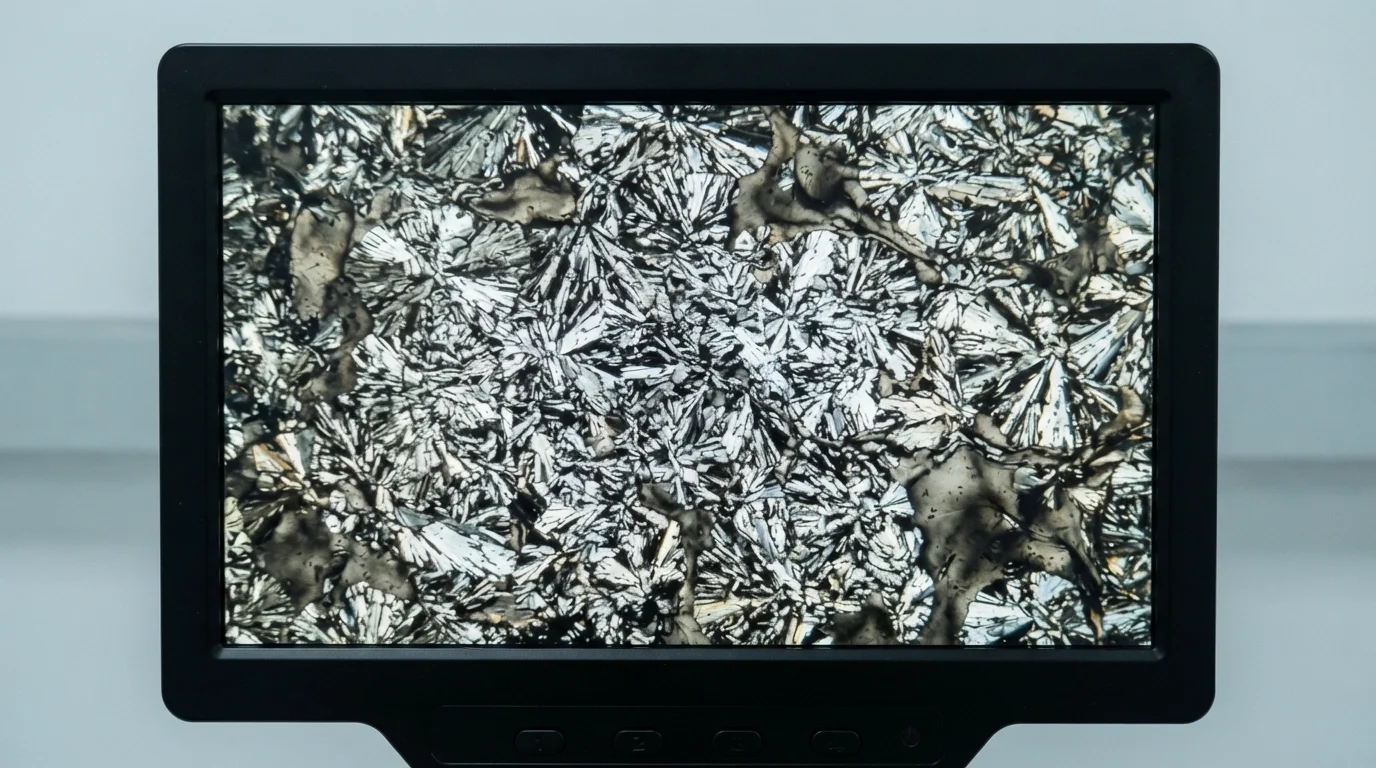
La structure moléculaire du polymère dicte directement la quantité de retrait d'une pièce en plastique lors de sa transition d'un état fondu liquide chaud à un état solide. Les plastiques amorphes présentent des chaînes polymères orientées aléatoirement qui se figent en place en douceur, ce qui entraîne des taux de contraction faibles et isotropes. Les polymères semi-cristallins, en revanche, forment des réseaux cristallins hautement ordonnés lors du refroidissement, ce qui provoque un retrait volumétrique sensiblement plus élevé. Les concepteurs structurels doivent tenir compte de ces différences moléculaires lors du calcul des dimensions de la cavité du moule afin d'éviter les interférences d'assemblage.
Le respect de directives de conception pour l'outillage rapide garantit que les épaisseurs de paroi des pièces restent uniformes à toutes les jonctions de caractéristiques, permettant un refroidissement thermique uniforme. Les paramètres moléculaires clés influençant le retrait des polymères comprennent :
- Comportement des résines amorphes—Les polymères comme l'ABS et le polycarbonate se contractent de manière prévisible entre 0,4% et 0,8%, maintenant de faibles niveaux de contraintes internes
- Croissance des polymères semi-cristallins—Les résines comme le nylon et le polypropylène développent des structures cristallines denses, se rétractant jusqu'à 2,5% pendant le refroidissement
- Effets d'orientation des fibres de verre—Les fibres coupées restreignent le retrait longitudinal dans le sens de l'écoulement tout en permettant une contraction transversale plus élevée
Mise à l'échelle de la cavité CAO et compensation volumétrique
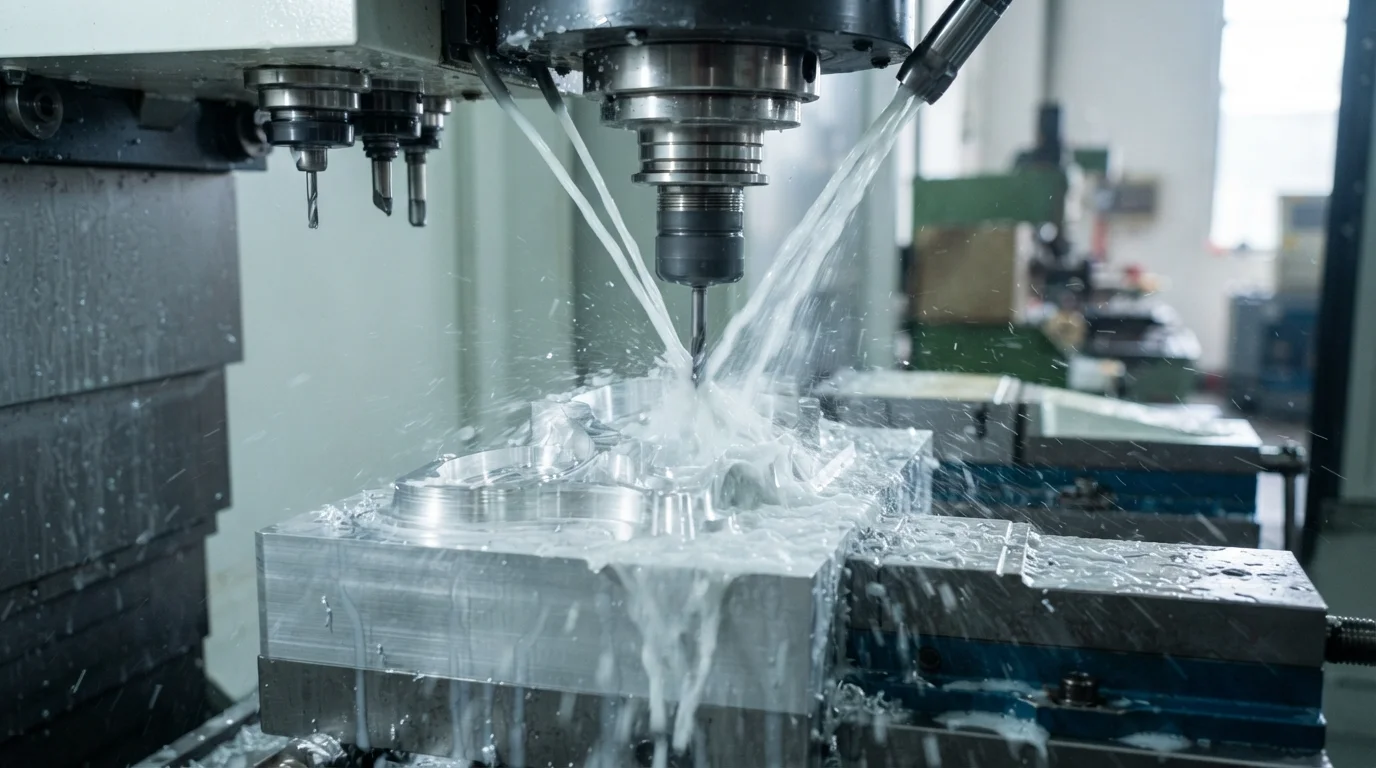
Les outilleurs compensent la contraction naturelle du matériau en agrandissant mathématiquement la cavité du modèle 3D CAO avant d'usiner le métal du moule. L'approvisionnement en Service d'outillage rapide l'utilisation de noyaux en aluminium ou en acier doux permet un fraisage rapide et précis de la cavité via des centres Service d'usinage CNC multiaxes. Le découpage précis des modèles CAO permet aux programmeurs d'appliquer des multiplicateurs de retrait spécifiques adaptés à la qualité exacte de la résine. La prise en compte du taux de retrait de moulage par injection correct dans la conception de l'outil garantit que les pièces en plastique finies se rétractent aux dimensions cibles du dessin lors du refroidissement.
La sélection de la résine correcte implique d'équilibrer la résistance mécanique avec la stabilité volumétrique. Ce tableau de comparaison technique décrit les comportements de retrait des plastiques techniques standard :
| Type de résine | Structure du polymère | Taux de retrait volumétrique | Avantage technique principal |
|---|---|---|---|
| ABS (impact moyen) | Amorphe | 0,4 % à 0,7 % | Excellente stabilité dimensionnelle, faible risque de gauchissement |
| Polycarbonate (PC) | Amorphe | 0,5 % à 0,8 % | Résistance aux chocs élevée, options de clarté optique |
| Nylon 6 (PA6-GF30) | Semi-cristallin (chargé de verre) | 0,3 % à 0,6 % | Rigidité structurelle exceptionnelle, résistance élevée à la chaleur |
| polypropylène (PP) | Semi-cristallin | 1,5 % à 2,5 % | Résistance chimique exceptionnelle, durée de vie élevée de la charnière vivante |
| PEEK (non chargé) | Semi-cristallin | 1,0 % à 1,5 % | Endurance thermique extrême, résistance chimique élevée |
Contrôles de la pression de maintien de la machine et du refroidissement thermique
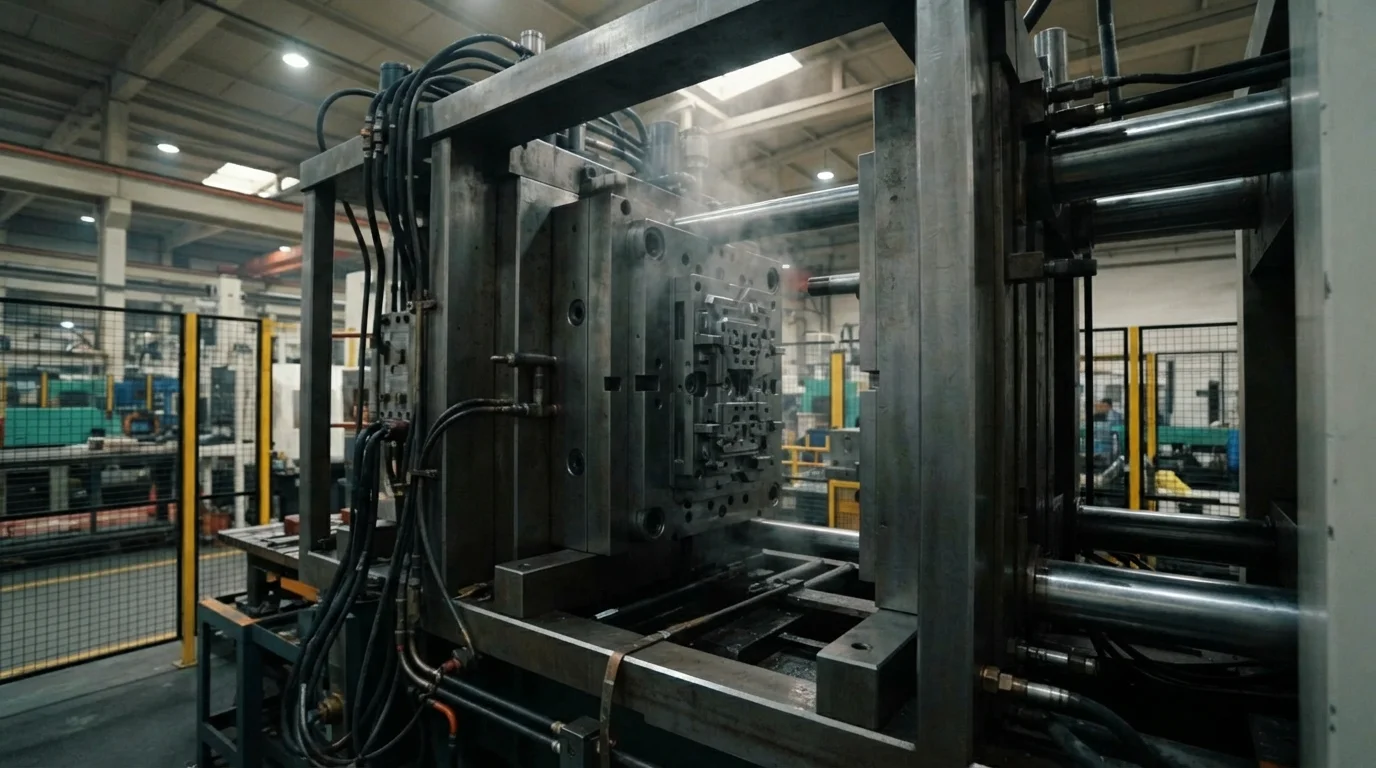
Les paramètres de processus configurés sur le plancher de la presse influencent directement la quantité de contraction du plastique à l'intérieur de la cavité du moule. Le maintien d'une pression de maintien élevée pendant la phase de maintien force la résine fondue supplémentaire dans la cavité, compensant le retrait volumétrique naturel. Les ingénieurs de processus ajustent systématiquement les paramètres de la machine pour optimiser la densité des pièces et maintenir des tolérances serrées. Les principaux ajustements de traitement pour contrôler le retrait du polymère comprennent :
- Pressions de maintien élevées—Forcer du polymère fondu supplémentaire dans les cavités centrales compense la perte de densité lorsque le plastique refroidit
- Températures de moule contrôlées—Le maintien de profils thermiques stables de la ligne d'eau régule les taux de croissance cristalline dans les résines semi-cristallines
- Temps de fermeture de porte optimisés—La pression de maintien jusqu'à ce que les portes d'injection gèlent empêche le reflux de polymère hors du noyau
Jucheng Precision exploite une usine entièrement intégrée contenant à la fois des centres d'usinage multi-axes et des presses de moulage par injection de précision. Les ingénieurs de l'usine fournissent des revues analyses DFM gratuites 24h/24 revues pour optimiser les emplacements des portes, les lignes de joint et les tolérances de retrait avant l'usinage du métal. Un partenariat avec un Service de moulage par injection spécialiste certifié garantit que votre matériel fini correspond aux spécifications exactes du dessin. L'approvisionnement en prototypes de haute qualité auprès d'une installation à guichet unique garantit des transitions transparentes des maquettes de concept initiales à la production en série complète.
Foire aux questions (FAQ)
Pourquoi les plastiques semi-cristallins rétrécissent-ils plus que les plastiques amorphes ?
Les polymères semi-cristallins se compactent en structures moléculaires denses et hautement ordonnées lors du refroidissement, provoquant une contraction volumétrique plus élevée. Les plastiques amorphes gèlent avec des chaînes orientées de manière aléatoire, ce qui entraîne des taux de retrait plus faibles et prévisibles.
Comment l'ajout de fibres de verre affecte-t-il le taux de retrait au moulage par injection ?
Les fibres de verre hachées s'alignent le long de la direction d'écoulement de la résine, réduisant considérablement le retrait longitudinal tout en laissant la contraction transversale plus élevée. Cette différence directionnelle peut induire un gauchissement de la pièce si les épaisseurs de paroi et les emplacements des portes ne sont pas conçus correctement lors des analyses DFM.
Comment les ingénieurs de procédé compensent-ils le retrait de la résine lors de la construction du moule ?
Les outilleurs agrandissent les modèles CAO 3D des cavités en fonction du pourcentage de retrait spécifique du matériau avant le fraisage CNC des blocs de noyau en aluminium ou en acier. Une mise à l'échelle CAO appropriée garantit que la pièce en plastique se contracte aux dimensions exactes du plan lors du refroidissement.

