


Can You Polish Aluminum Molds to a Mirror Finish?
Achieving crystal-clear optical properties on injected polymer components is a frequent challenge during rapid product development. When engineers ask whether can you polish aluminum molds to mirror finish, overcoming traditional industry skepticism about soft metal capabilities is essential. Without expert hand-lapping techniques, aluminum tool cavities can retain microscopic haze that ruins transparent part clarity.
L'utilisation d'un l'outillage rapide provider ensures that aerospace-grade aluminum inserts are buffed to strict SPI-A2 optical standards before moulage par injection bridge runs commence. Let us debunk the soft metal myth and examine the exact polishing progression required for high-gloss success.
Module 1 – Definition and Working Principles of Aluminum Mirror Buffing
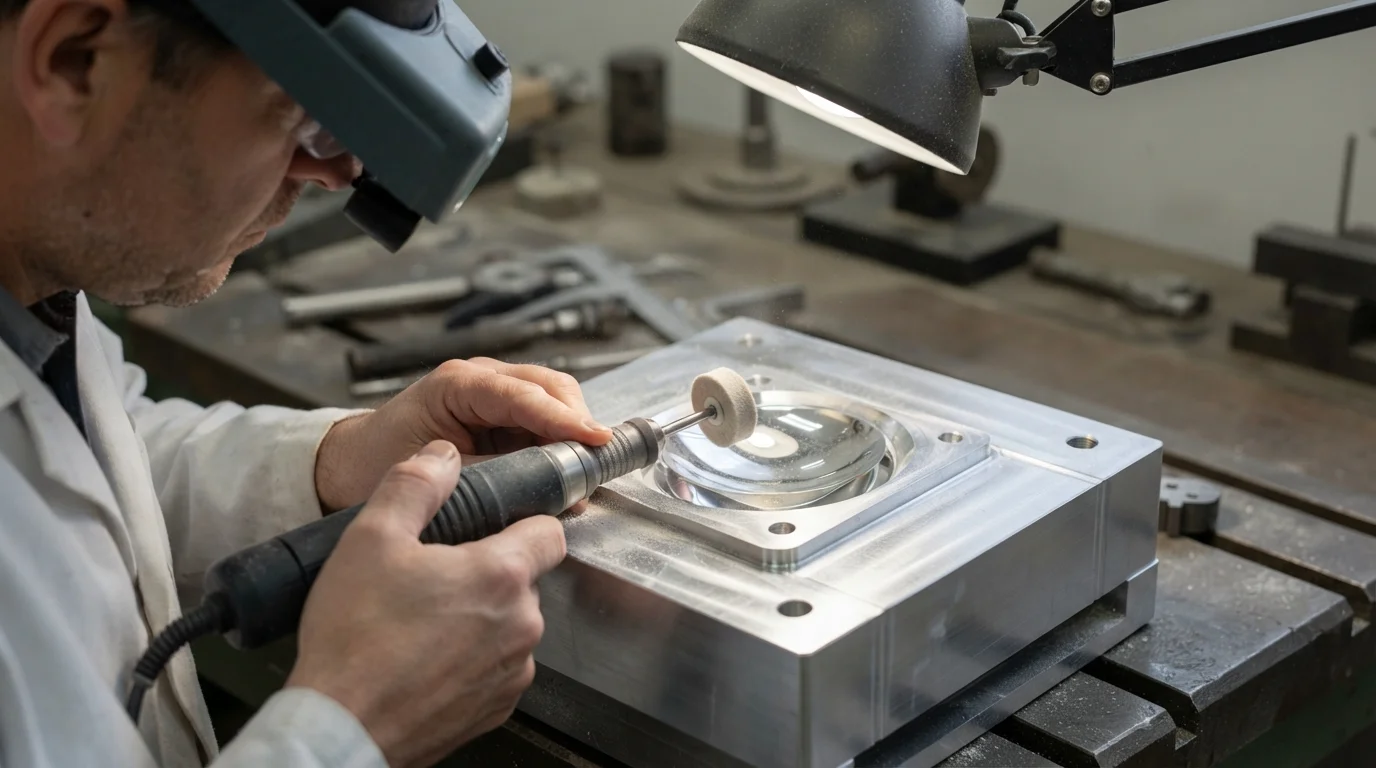
Mirror polishing aluminum mold cavities involves a progressive abrasive reduction process that transitions rough CNC tool marks into a flawless, reflective surface. The working principle relies on using finer and finer diamond compounds to shear away micro-asperities until the metal reflects light uniformly. This high-gloss topography is subsequently transferred onto polycarbonate (PC) ou PMMA inserts during high-pressure usinage CNC and pressing.
To implement structured aluminum mirror polishing, toolmakers could follow these practical steps:
- Initial Stock Preparation: Remove all milling cutter marks using graded abrasive stones (such as 400 and 600 grit) along a uniform direction.
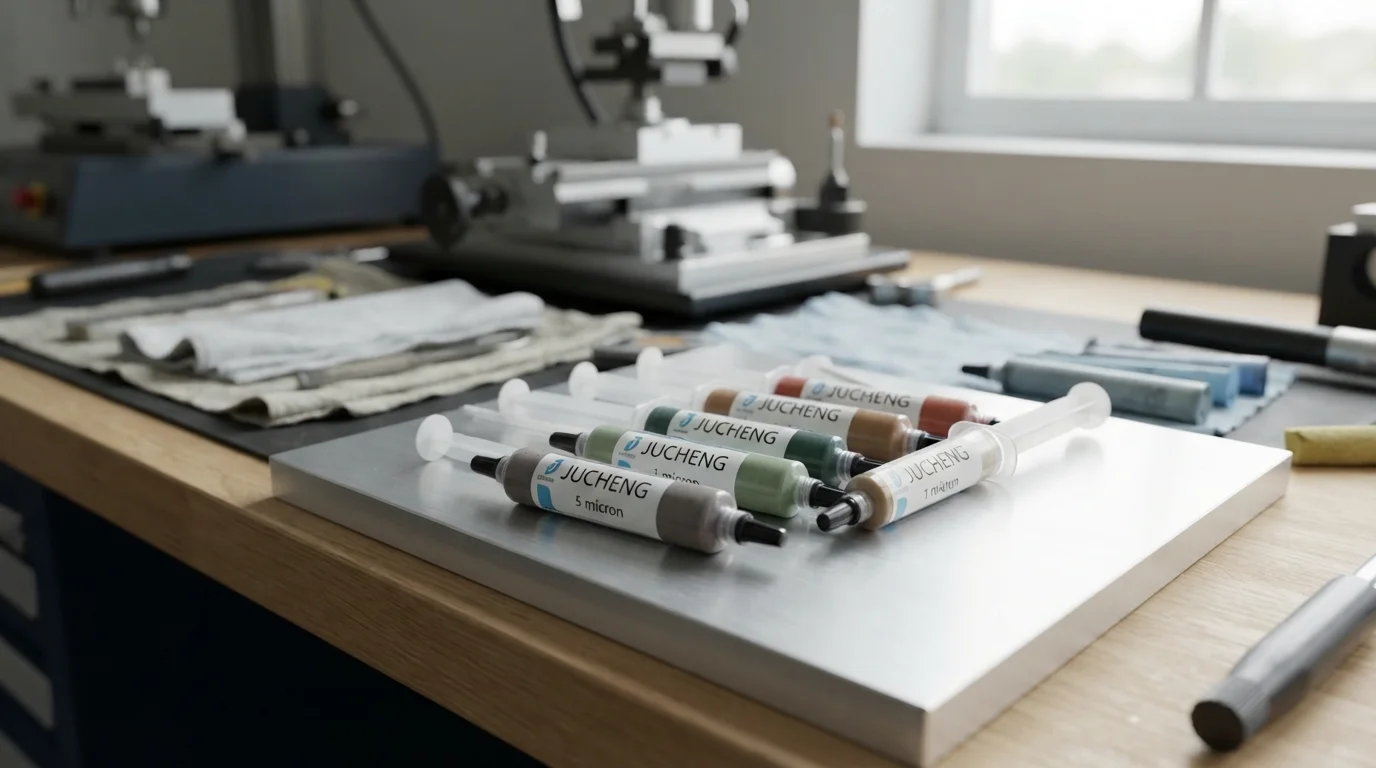
- Progressive Diamond Lapping: Apply diamond compound pastes systematically, stepping down from 15-micron down to 1-micron paste.
- Final Optical Buffing: Polish with specialized lambskin bobs and liquid diamond slurries to achieve the ultimate SPI-A2 mirror sheen.
Module 2 – Scénarios d'application principaux
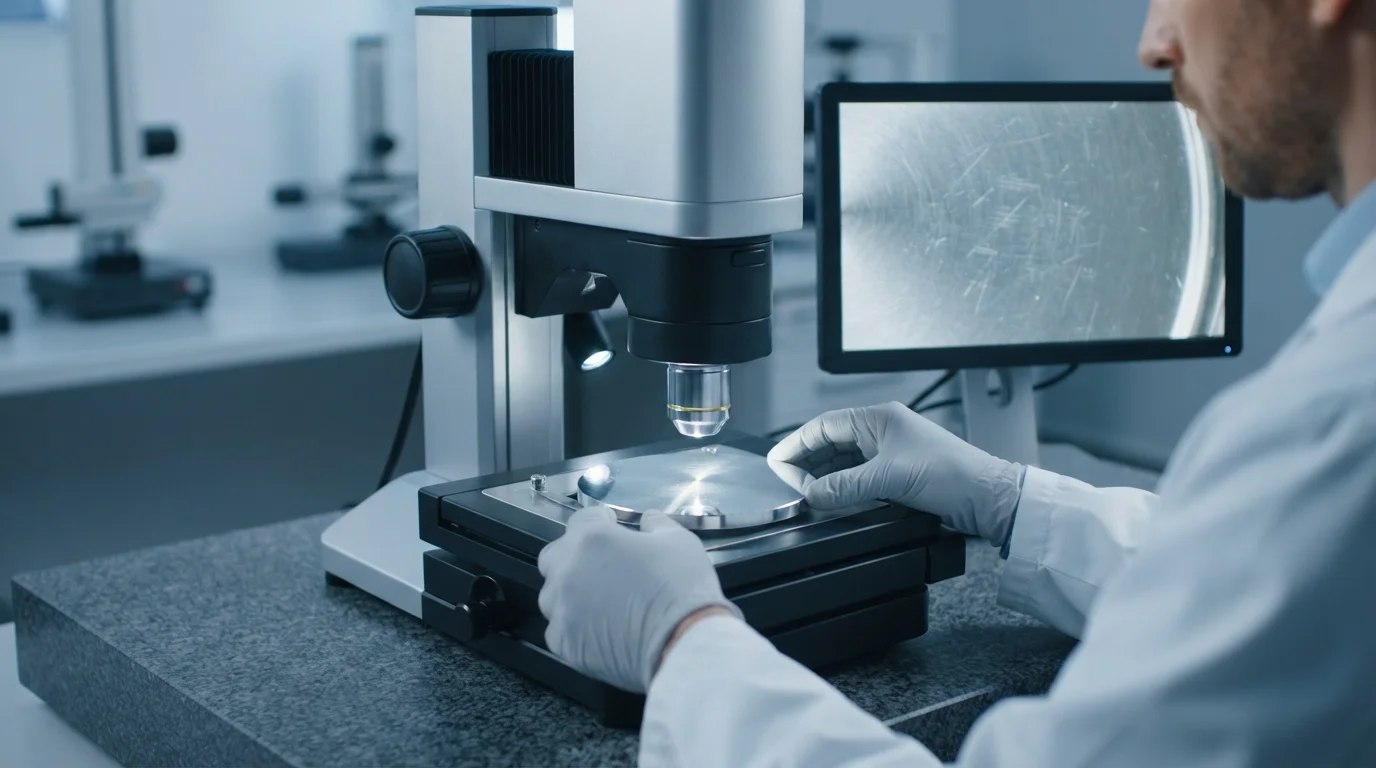
Polishing rapid aluminum tools to mirror clarity is essential across high-stress sectors including automotive lighting lenses, medical fluid viewports, and consumer electronics display covers where light transmission dictates functionality. Feedback from professional engineering groups on Reddit and Facebook indicates that mirror-polished soft molds deliver optical performance matching hardened steel.
Les principaux secteurs d'application comprennent :
- Automotive Lighting: Molding transparent headlight outer lenses and LED light guides requiring crystal-clear light distribution.
- Dispositifs médicaux : Fabricating transparent fluid reservoirs and diagnostic inspection windows that demand strict visual purity.
- Électronique grand public : Producing high-gloss display cover screens and camera lens surrounds for mobile devices.
Module 3 – Facteurs clés de sélection pour la réussite du projet
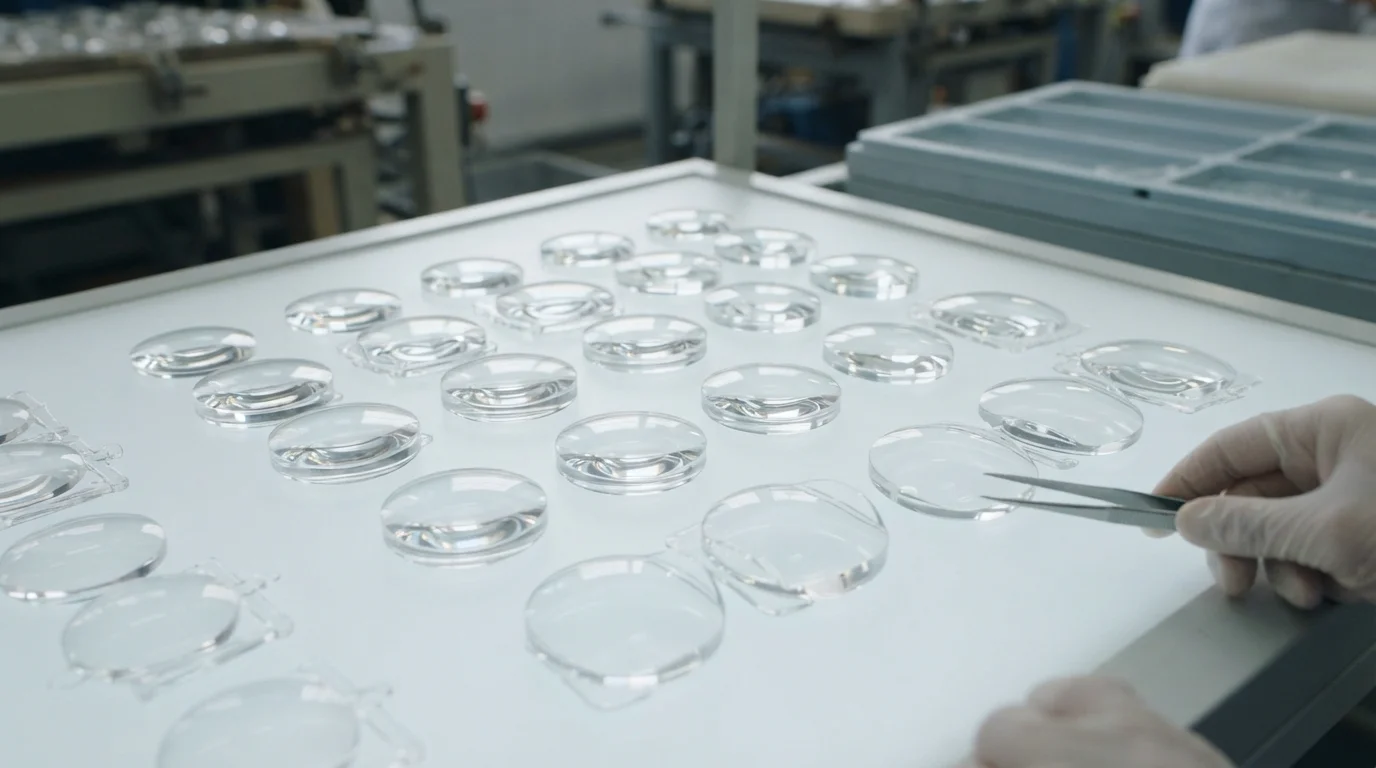
When evaluating high-gloss mirror finishes for aluminum rapid tools, engineering teams must weigh optical clarity against material purity and long-term wear resistance. Evaluating these core parameters ensures your transparent parts achieve aesthetic excellence without micro-haze.
| Polishing Stage | Abrasive Compound & Tool | Achievable Surface Quality |
|---|---|---|
| Initial Leveling | Grit 400-600 sandpaper / stones | Removes all milling tool marks and surface ridges |
| Intermediate Buff | 15 to 6 micron diamond paste | Smooth semi-gloss surface texture |
| Final Mirror Polish | 1 to 3 micron diamond slurry / felt bob | SPI-A2 optical mirror clarity for clear plastics |
Module 4 – Conseils d'installation et d'entretien
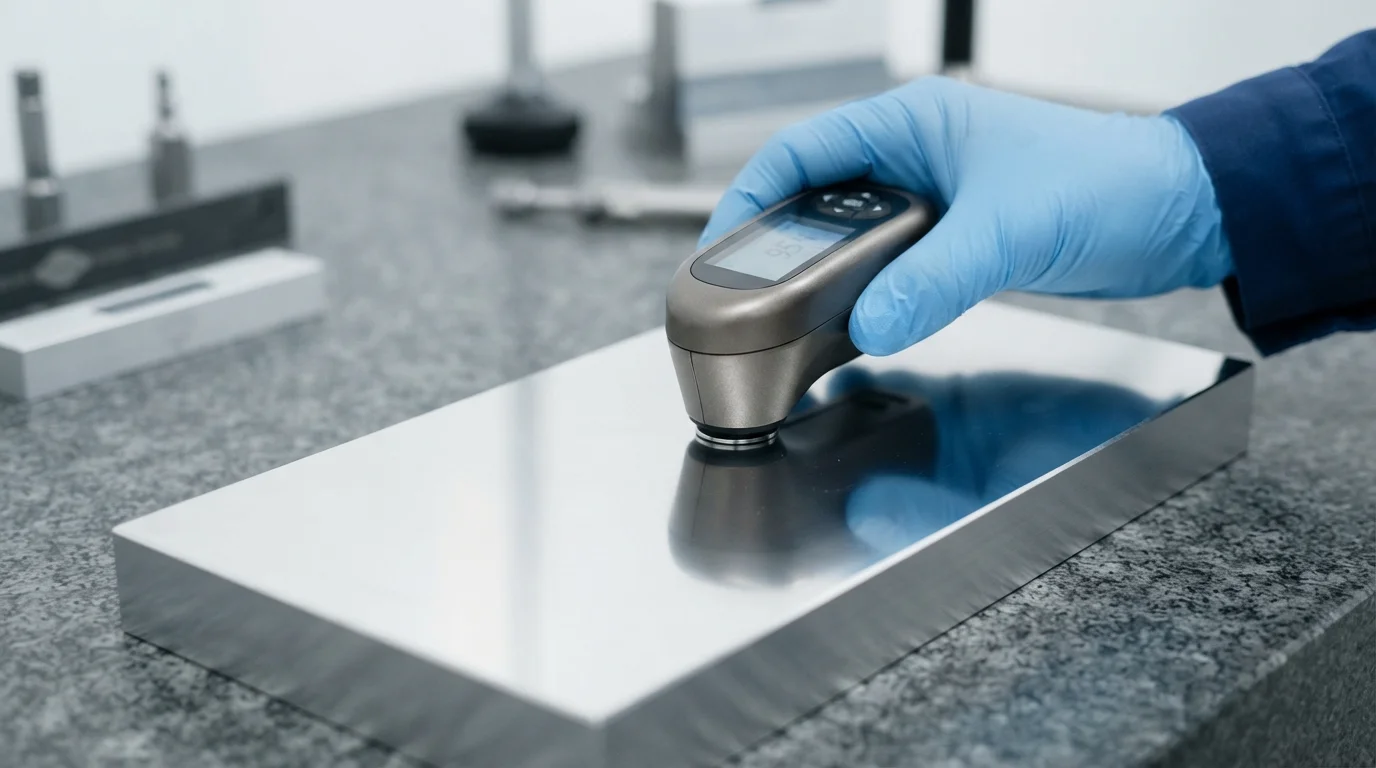
Proper toolroom handling and routine polishing maintenance safeguard high-gloss aluminum mold surfaces across active short-run production cycles. Protecting mirror-finished cavities from accidental scratching during press installation ensures consistent optical quality.
Conseils clés d'installation et d'entretien :
- Non-Marring Handling: Utilize brass or plastic tools exclusively when mounting aluminum inserts to prevent accidental surface gouging.
- Residue Management: Clean polymer buildup using specialized non-abrasive solvents to protect delicate SPI-A2 mirror polishes.
- Moisture Prevention: Apply protective anti-corrosion coatings during storage to keep aluminum cavity surfaces pristine.
Module 5 – Frequently Asked Questions (FAQ)
1. Can you truly polish an aluminum mold to a mirror finish?
Yes, high-grade aerospace aluminum can be hand-polished to an SPI A2 mirror finish using progressive diamond pastes, providing exceptional optical clarity for short-run clear parts.
2. What polymers are best suited for mirror-polished aluminum molds?
Optical-grade polycarbonate (PC) and polymethyl methacrylate (PMMA/acrylic) are ideal for reproducing crystal-clear transparency straight from polished aluminum tools.
3. Do aluminum mirror polishes degrade over long production runs?
Aluminum maintains high gloss very well for bridge runs under 20,000 to 30,000 units, though abrasive or filled resins may eventually require minor re-buffing.
4. Why is aluminum often doubted for mirror polishing applications?
A common misconception assumes soft metals cannot hold reflective lusters, but advanced diamond lapping proves high-grade aluminum achieves exceptional optical results.
5. How do toolmakers prevent orange peel defects on polished aluminum?
Toolmakers use light, controlled hand pressure and consistent abrasive progression to prevent uneven metal removal and surface distortion.
6. How does Jucheng Precision support aluminum mirror polishing?
Jucheng Precision provides expert toolroom hand-lapping, diamond buffing, and precision injection molding to deliver flawless optical clarity under one roof.
Module 6 – Why Choose JUCHENG for Your Project
Achieving mirror-like optical finishes requires an experienced manufacturing partner. JUCHENG supports hardware innovators by delivering comprehensive analyses DFM gratuites 24h/24 reviews that analyze draft angles, polish grades, and gate locations prior to tool cutting. Founded in Shenzhen in 2012 with an 8,000-square-meter facility in Dongguan, our factory houses 150+ advanced machines, including 25+ high-performance 5-axis Haas and Mazak milling centers.
Backed by ISO 9001, ISO 14001, ISO 13485, and IATF 16949 certifications, our engineering teams ensure your bridge tooling achieves optimal optical clarity and durability.
Ready to Polish Your Aluminum Molds to Mirror Perfection?
Upload your 3D models today to receive instant feedback, competitive pricing, and professional DFM analysis from our seasoned engineering experts. Let JUCHENG bring your complex designs to life with unmatched speed and reliability!

