


Automotive Vacuum Casting: High-Fidelity Polyurethane Prototypes
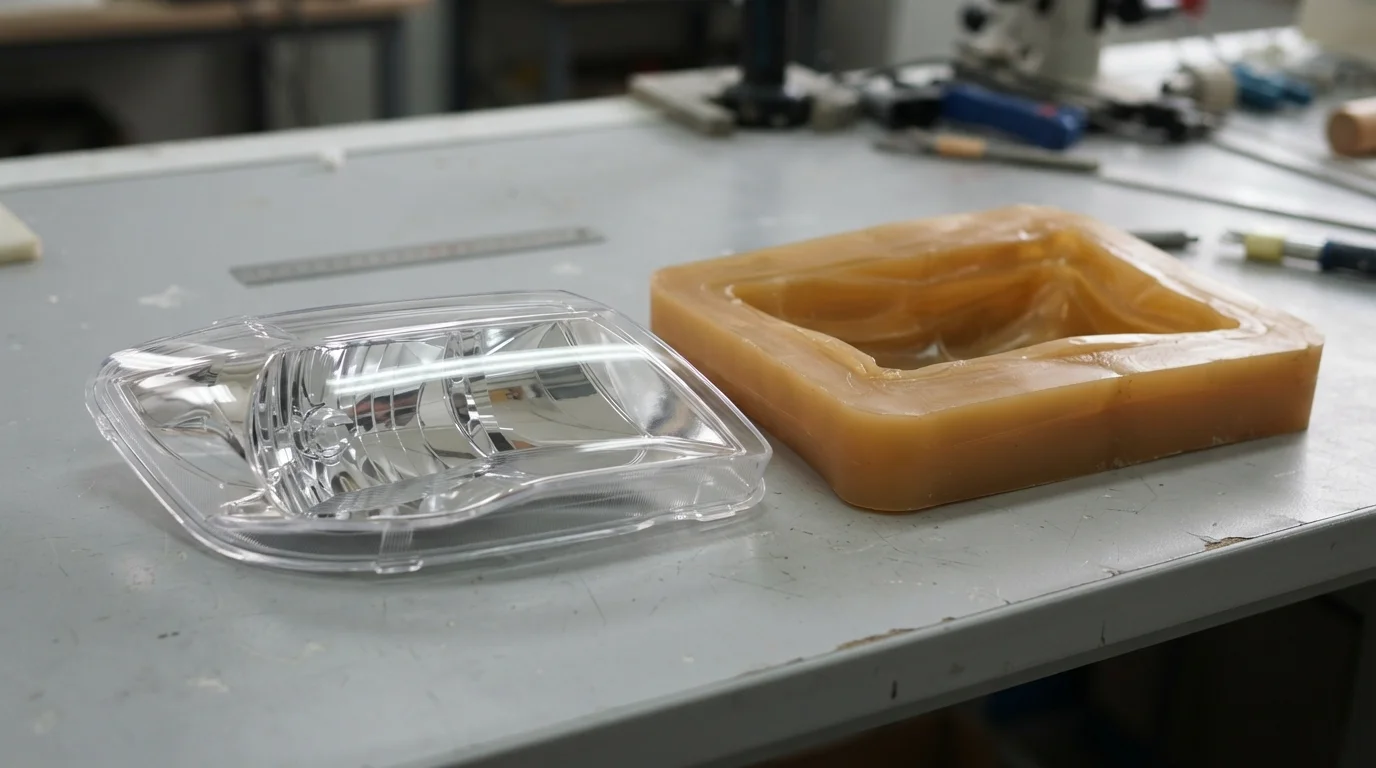
Duplicating production-grade plastic components in small batches without committing to expensive metal tooling is a constant priority for vehicle development teams. When automotive design engineers require twenty to fifty high-fidelity prototypes for beta testing or client presentations, utilizing automotive vacuum casting provides an exceptional balance of speed, surface fidelity, and cost efficiency. Without flexible silicone molds, replicating transparent optical lenses and textured interior knobs becomes excessively time-consuming.
Utilizing an experienced rapid prototyping partner ensures that master patterns transition smoothly into high-grade polyurethane copies. Let us examine the silicone duplication mechanics and vacuum degassing protocols that drive modern low-volume vehicle prototyping.
Module 1 – Definition and Working Principles of Silicone Tool Duplication
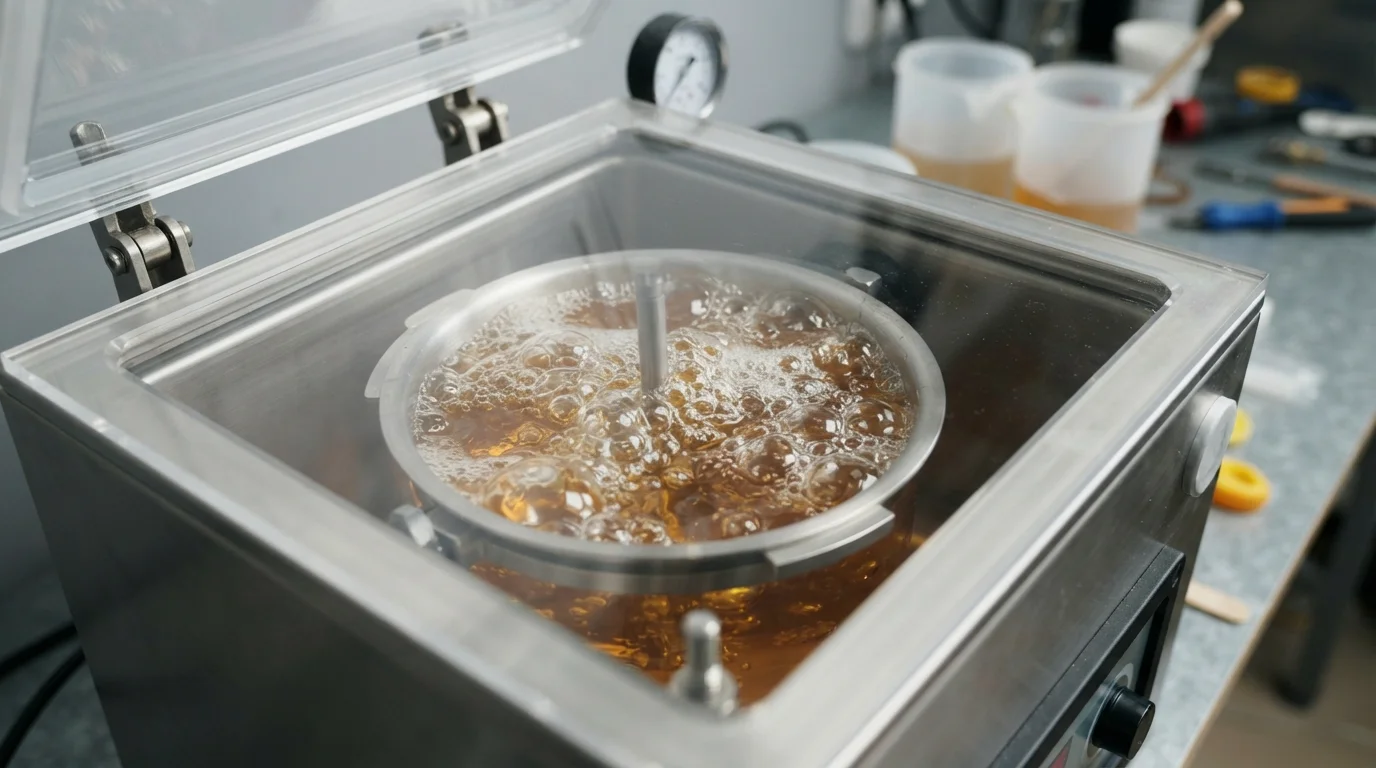
Vacuum casting is a specialized manufacturing technique that utilizes flexible silicone rubber molds to duplicate high-precision polymer parts from a digital master pattern. The working principle relies on mixing liquid polyurethane resins inside an evacuated chamber, drawing out all air bubbles, and pouring the material into a cured silicone tool under negative pressure. While structural blocks are often shaped via usinage CNC, small-batch multi-part replication relies entirely on efficient coulée sous vide techniques.
To execute structured silicone tooling workflows on prototype components, technicians could follow these practical steps:
- Master Pattern Preparation: Create a flawless 3D-printed or CNC-milled master model featuring high-gloss or textured surfaces.
- Silicone Tool Curing: Pour liquid silicone rubber around the master pattern inside a framing box and cure it inside a thermal oven.
- Evacuated Resin Pouring: Mix reactive polyurethane components, degas them under deep vacuum, and pour the liquid into the split silicone tool.
Module 2 – Scénarios d'application principaux
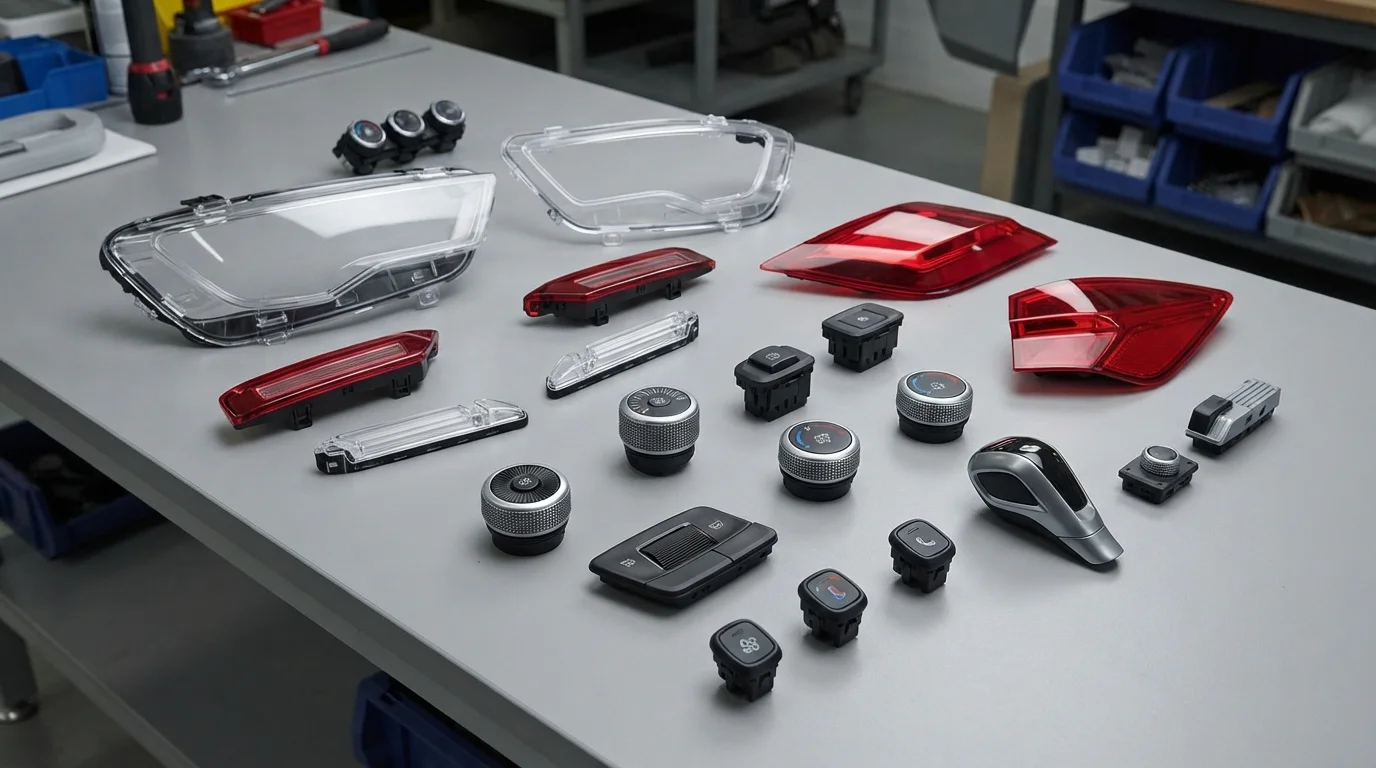
Flexible silicone tool duplication is vital across optical lighting prototypes, tactile interior controls, and pre-series design evaluations where small quantities of flawless parts dictate project momentum. When engineering teams build functional light test assemblies, deploying specialized automotive vacuum casting solutions solves critical optical clarity and budget constraints. Feedback from professional prototyping groups on Reddit and Facebook indicates that polyurethane resins match production plastics remarkably well.
Les principaux secteurs d'application comprennent :
- Lighting Prototypes: Duplicating crystal-clear headlight lenses, tail lamp covers, and interior light guides without tooling delay.
- Interior Controls: Fabricating textured dashboard buttons, HVAC knobs, and steering wheel switches with rubber-like tactile feel.
- Design Evaluation: Producing 20 to 50 identical beta-test housings to verify ergonomic fit prior to mass production investment.
Module 3 – Facteurs clés de sélection pour la réussite du projet
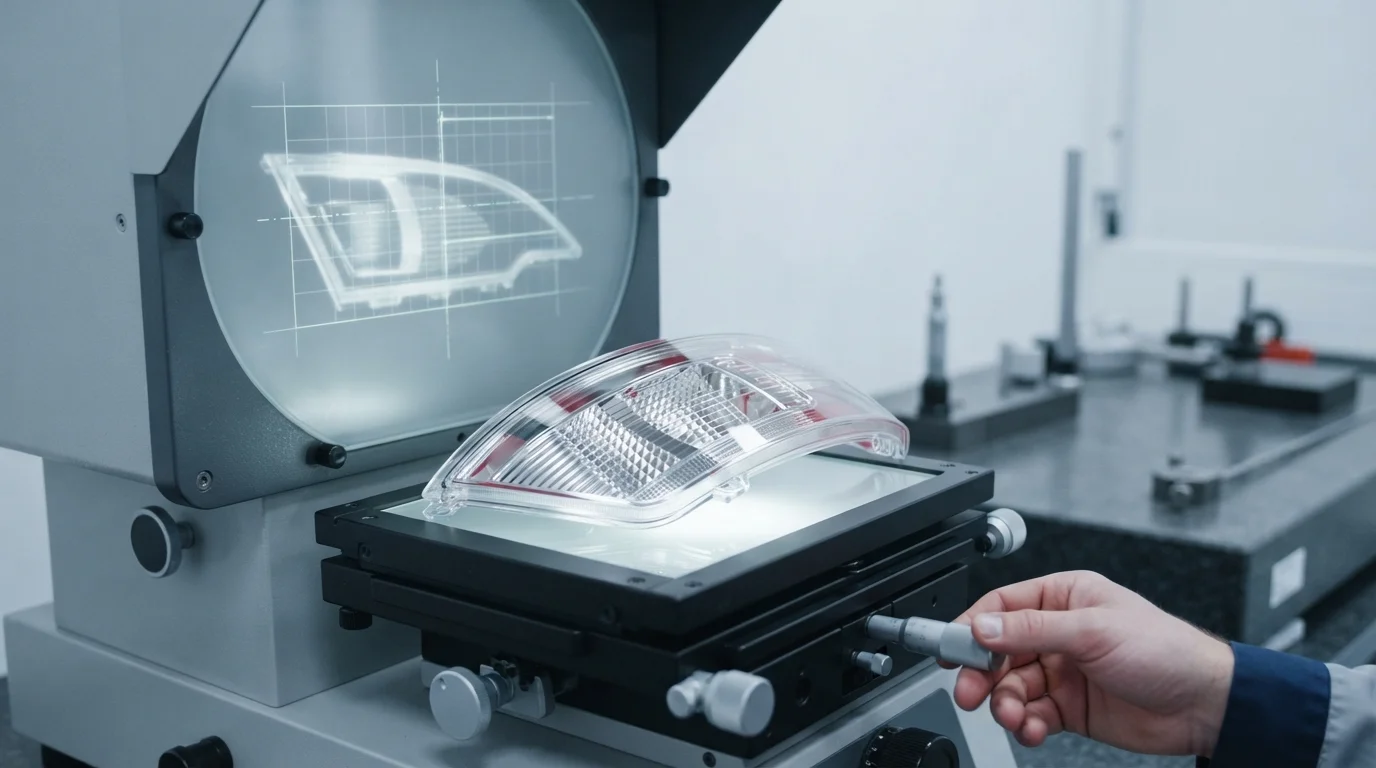
When specifying polyurethane resins for vehicle prototyping, engineering teams must weigh simulant mechanical properties, optical transmission clarity, and silicone tool lifespan. Evaluating these core parameters ensures your parts achieve true functional performance.
| Polyurethane Resin Simulant | Propriété mécanique clé | Primary Automotive Application |
|---|---|---|
| ABS Simulant Resin | High impact strength, balanced rigidity | Rebords de tableau de bord, boîtiers électroniques structurels |
| Simulant PC / Acrylique | Optiquement clair, transmission lumineuse élevée | Verres de phares, capots de combiné d'instruments |
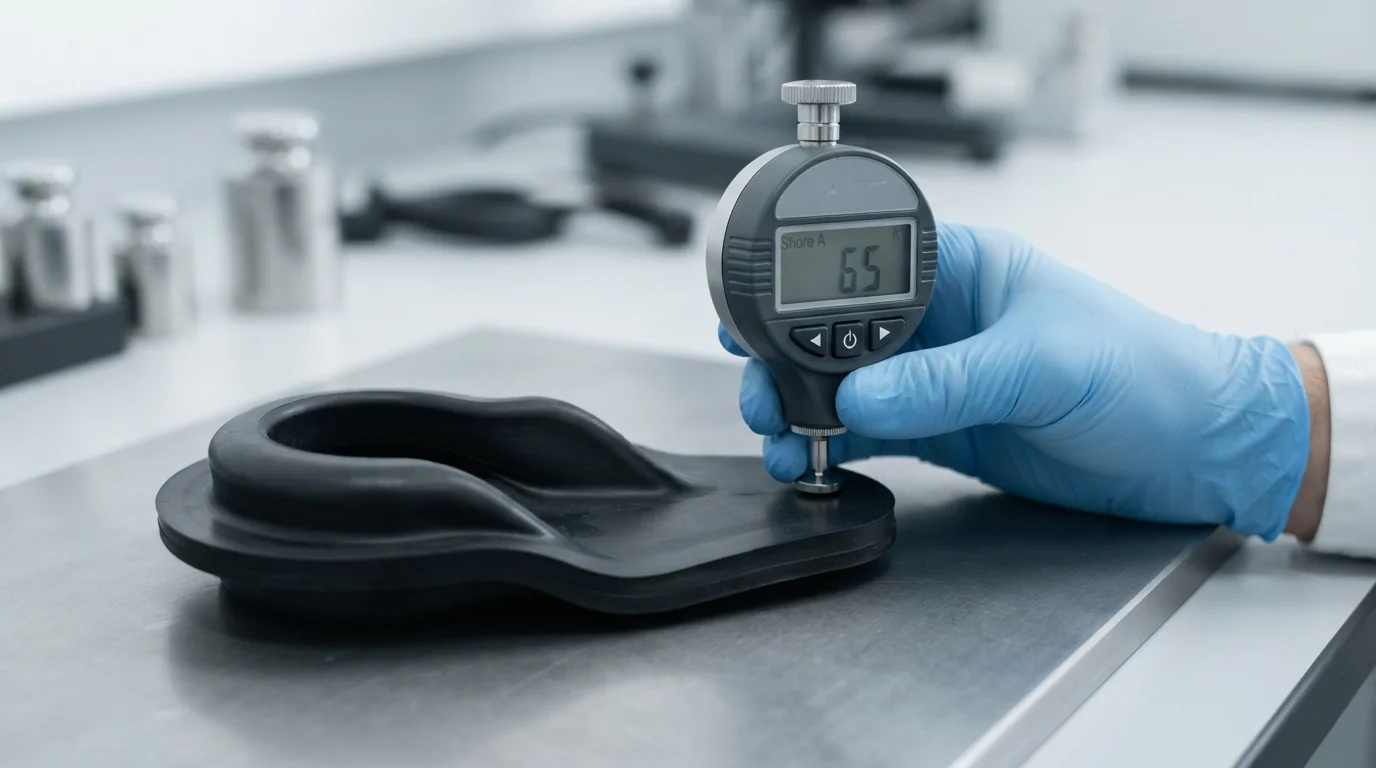
| Simulant caoutchouc (Shore A 40-90) | Élasticité flexible, résistance élevée à la déchirure | Joints, capots de touches tactiles souples, soufflets de protection |
Module 4 – Conseils d'installation et d'entretien
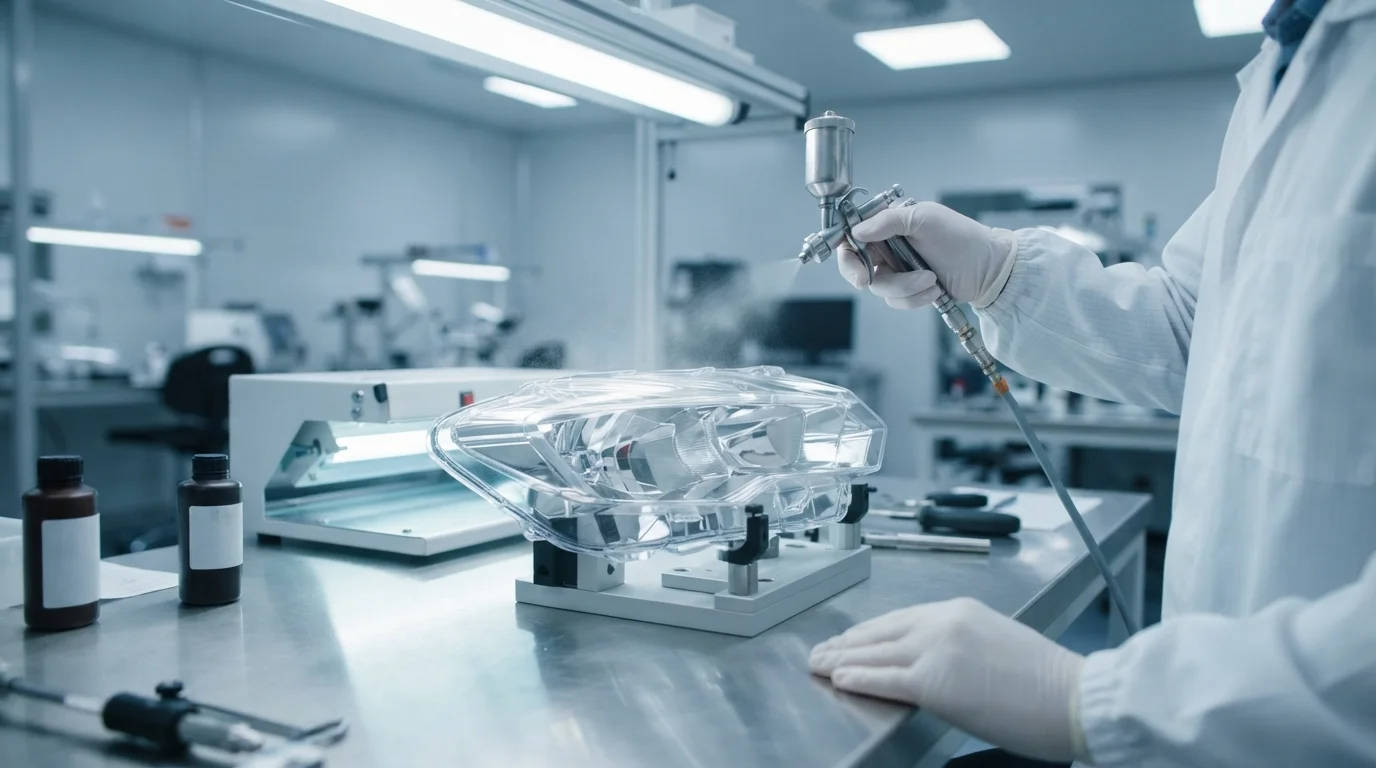
Une manipulation appropriée en atelier et un entretien de routine du silicone garantissent la fidélité dimensionnelle lors des lots de moulage sous vide actifs. Protéger les outillages en caoutchouc flexible de la dégradation chimique assure une qualité de réplication des pièces à long terme.
Conseils clés d'installation et d'entretien :
- Conditionnement de l'outillage en silicone : Appliquez uniformément des agents de démoulage appropriés à l'intérieur des moules en silicone divisés pour éviter le déchirement du polyuréthane lors du démoulage.
- Post-polymérisation thermique : Cuire les pièces en polyuréthane moulé dans des fours thermiques pour atteindre une résistance maximale à la traction et à la chaleur.
- Protocoles de stockage des outillages : Stockez les moules en silicone flexibles à plat dans des armoires à climat contrôlé pour prévenir la distorsion gravitationnelle.
Module 5 – Foire aux questions (FAQ)
1. What is the typical lifespan of a silicone mold in vacuum casting?
A single silicone mold typically yields between 20 to 25 high-fidelity polyurethane copies before fine surface details begin to degrade.
2. Can vacuum casting produce optically clear lenses for vehicles?
Yes, by utilizing crystal-clear polyurethane resins and applying secondary UV clear coats, vacuum casting produces flawless transparent lenses for testing.
3. How does vacuum degassing eliminate air bubbles in cast parts?
Liquid polyurethane is mixed and held under deep negative vacuum pressure, drawing out all trapped air pockets prior to mold pouring.
4. What polymer materials can be simulated using vacuum casting?
Vacuum casting simulates a wide range of engineering plastics and elastomers, including ABS, PC, PMMA, POM, and rubber with varying Shore hardness ratings.
5. How long does it take to produce a batch of vacuum cast prototypes?
Silicone tool creation and initial resin pouring typically require 3 to 5 business days from verified CAD data approval.
6. How does Jucheng Precision support automotive vacuum casting projects?
Jucheng Precision provides rapid silicone tooling, polyurethane duplication, and expert DFM analysis under strict ISO quality controls.
Module 6 – Pourquoi choisir JUCHENG pour votre projet
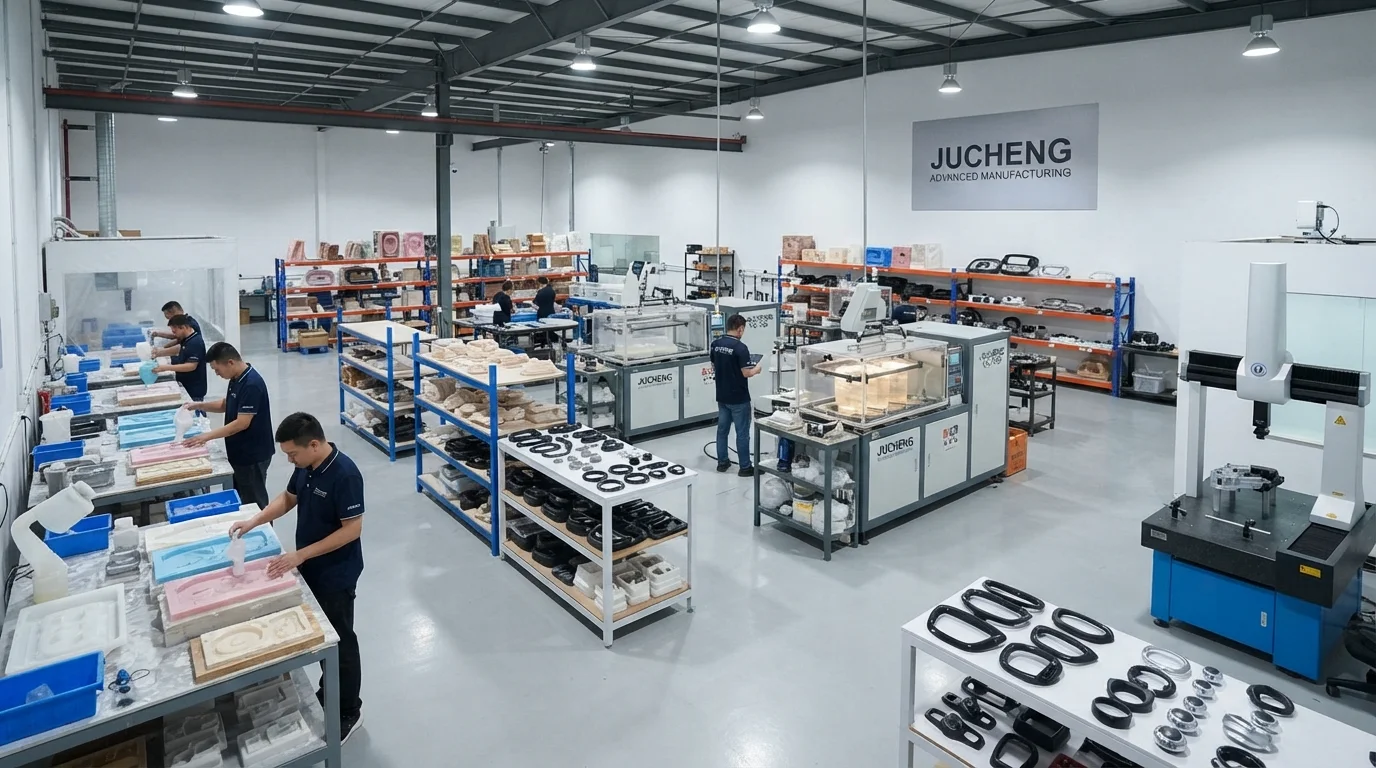
Achieving uncompromising small-batch fidelity requires an experienced manufacturing partner. JUCHENG supports hardware innovators by delivering comprehensive analyses DFM gratuites 24h/24 reviews that analyze master patterns, wall distributions, and draft angles prior to silicone tooling. Founded in Shenzhen in 2012 with an 8,000-square-meter facility in Dongguan, our factory houses 150+ advanced machines, including dedicated vacuum casting and silicone toolrooms.
Backed by ISO 9001, ISO 14001, ISO 13485, and IATF 16949 certifications, our engineering teams ensure that executing high-performance automotive vacuum casting programs achieves structural precision and absolute delivery reliability.
Ready to Duplicate Your Automotive Prototypes via Vacuum Casting?
Upload your 3D models today to receive instant feedback, competitive pricing, and professional DFM analysis from our seasoned engineering experts. Let JUCHENG bring your complex designs to life with unmatched speed and reliability!

