


Guide to choosing the best metal for rapid tooling
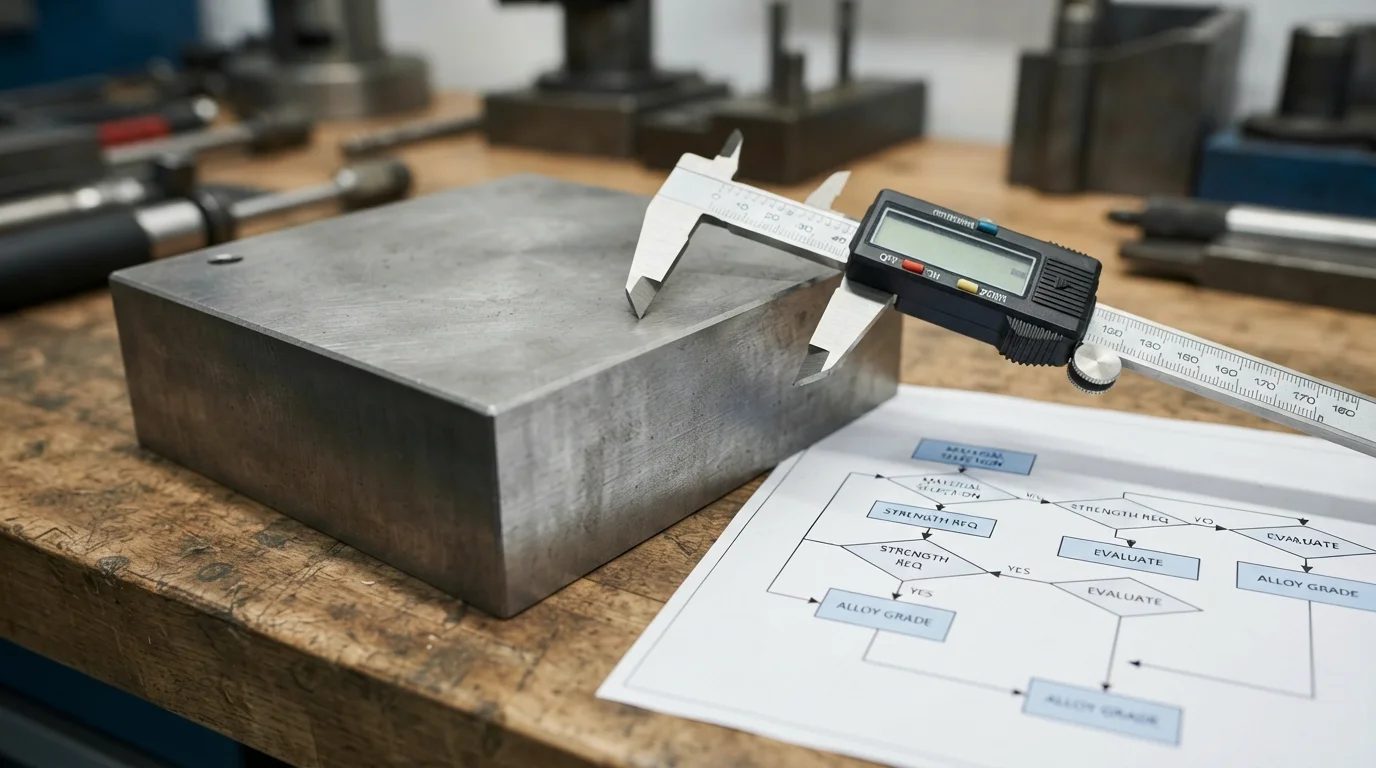
Successfully choosing the best metal for rapid tooling programs dictates whether a prototype launch meets performance specs or faces unexpected mold degradation. Engineering teams navigating New Product Introduction cycles frequently evaluate aluminum and pre-hardened steel to balance machining speed against lifecycle longevity. Deciding which baseline metal alloy serves your specific manufacturing volume prevents catastrophic tool wear.
Discussions across engineering forums like Reddit often highlight how critical alloy selection is for controlling bridge tool budgets. Exploring these material decision frameworks helps product managers streamline production pathways and secure high-quality component yields.
Module 1 – Definition and Working Principles of Metal Selection
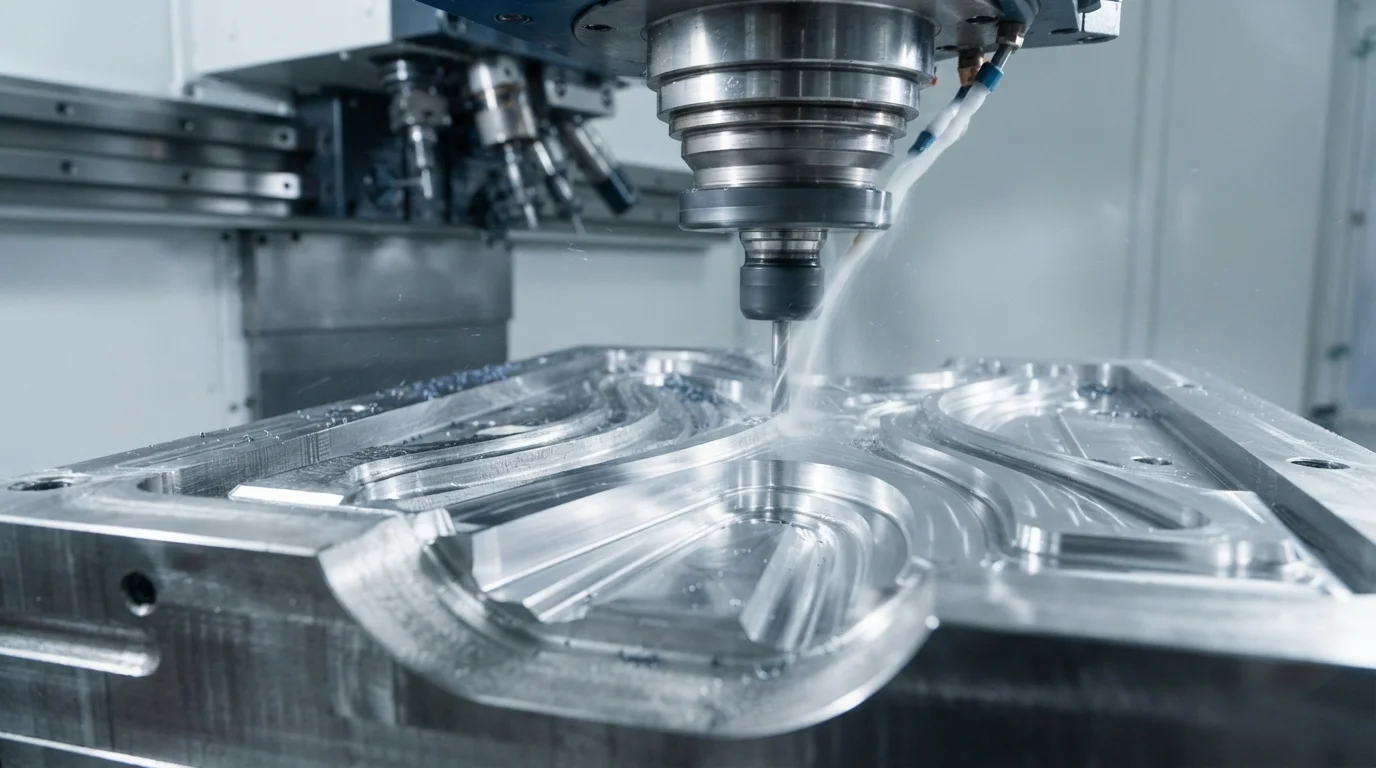
Metal selection in rapid tooling involves evaluating mechanical properties such as Brinell hardness, tensile yield strength, and thermal conductivity to match injection press parameters. Whether utilizing aerospace aluminum plates or pre-hardened alloy blocks, the underlying material dictates how cavities react under high-pressure clamping forces and molten resin flow.
To implement a structured alloy evaluation strategy, toolmakers could follow these practical steps:
- Volume Target Assessment: Calculate expected production quantities to determine short-run versus medium-run tooling needs.
- Resin Abrasiveness Audit: Check whether chosen thermoplastics contain glass or mineral reinforcements that accelerate metal wear.
- Thermal Gradient Mapping: Review cooling efficiency requirements to optimize cycle times across the mold base.
Module 2 – Scénarios d'application principaux
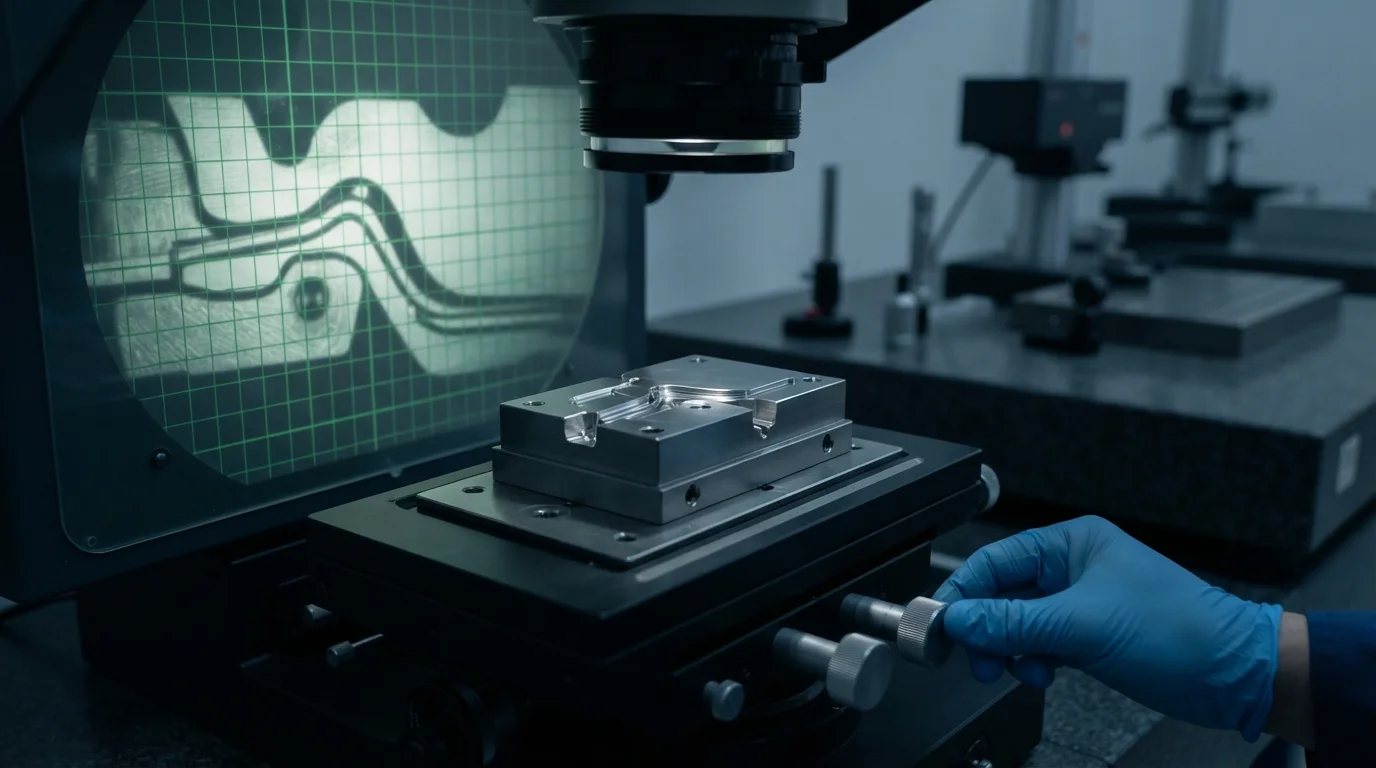
Strategic metal choice is essential across high-stress sectors including automotive interior trim, consumer electronics enclosures, and medical device housings where rapid market validation is required. Feedback from Facebook manufacturing groups indicates that aligning alloy strength with operational demands eliminates costly mid-run tool modifications.
Les principaux secteurs d'application comprennent :
- Automotive Parts: Molding durable interior dash components requiring high-impact thermal stability.
- Consumer Gadgets: Fabricating handheld electronic enclosures with tight tolerance snap-fits.
- Medical Hardware: Producing clinical diagnostic device shells under strict compliance rules.
Module 3 – Facteurs clés de sélection pour la réussite du projet
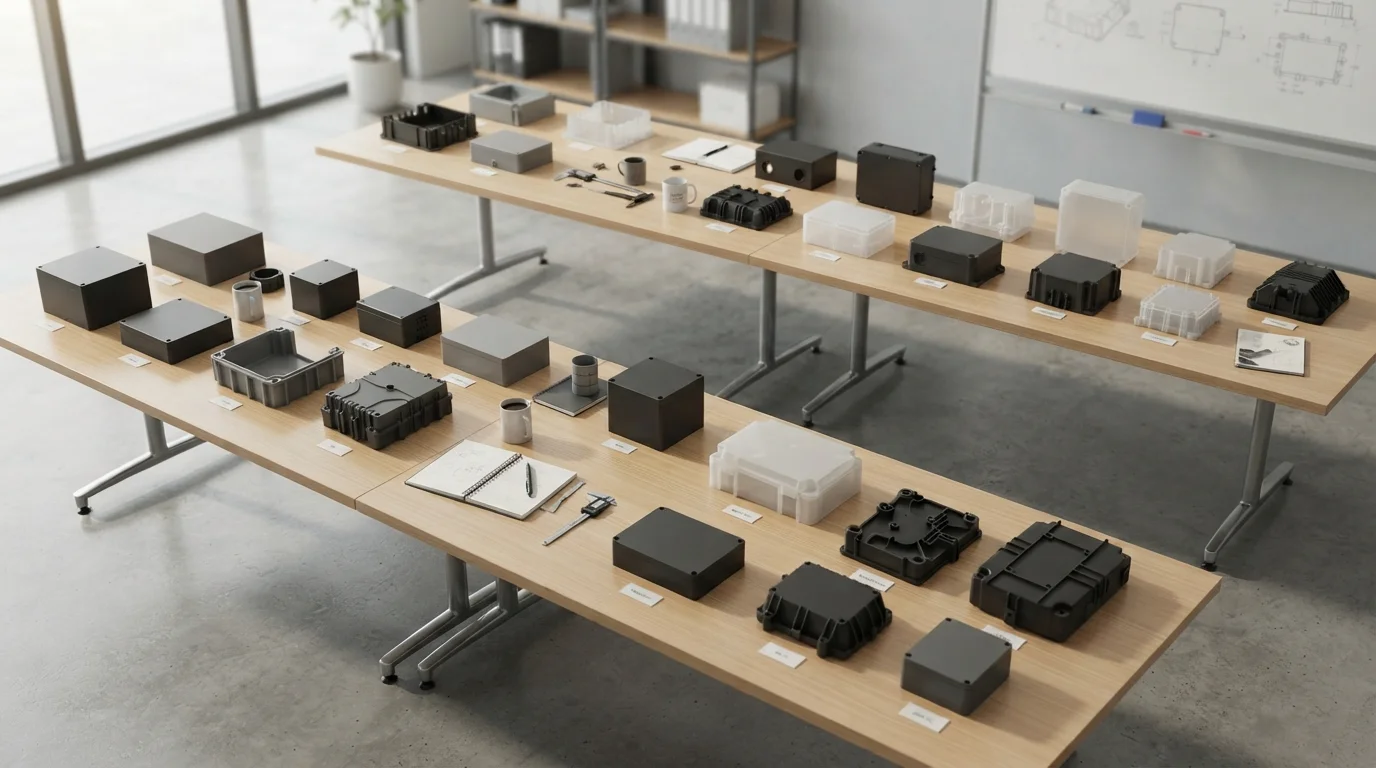
When specifying bridge tooling metals, engineering teams must weigh machining speed against structural longevity. Evaluating these core parameters ensures your rapid molds survive production pressure without premature failure.
| Decision Parameter | AL7075-T6 Aluminum Alloy | Pre-Hardened P20 Steel Alloy |
|---|---|---|
| Machining Efficiency | Extremely fast (High spindle rates) | Moderate (Conservative feed rates) |
| Expected Tool Lifespan | 10,000 to 50,000 shots | 50,000 to 100,000+ shots |
| Abrasive Wear Resistance | Moderate (Vulnerable to glass-fiber scour) | High (Resists reinforced resin abrasion) |
Module 4 – Conseils d'installation et d'entretien

Proper toolroom installation and routine maintenance safeguard rapid mold performance across active injection campaigns. Protecting parting lines and sliding components ensures long-term operational stability.
Key maintenance practices include:
- Clamping Tonnage Alignment: Calibrate press shut-off pressure to prevent crushing soft metal edges.
- Ejector Pin Lubrication: Apply high-grade anti-seize lubricants to moving pins to eliminate galling.
- Rust Prevention Spray: Apply protective anti-corrosion coatings during storage to prevent oxidation.
Module 5 – Foire aux questions (FAQ)
1. What factors should engineers evaluate when selecting rapid tooling metals?
Engineers should review production volume targets, resin abrasiveness, thermal conductivity requirements, and budget constraints.
2. When is aluminum preferred over P20 steel for rapid molds?
Aluminum is preferred when fast turnaround times, high thermal conductivity, and low-volume prototype runs under 10,000 units are prioritized.
3. Why is P20 steel chosen for glass-filled plastics?
P20 steel provides superior surface hardness to resist the abrasive scouring action of glass fibers during high-speed injection cycles.
4. Can aluminum tools be modified easily after initial sampling?
Yes, aluminum’s soft composition allows rapid CNC re-milling and micro-laser welding modifications within days.
5. How do project budgets influence rapid tooling metal choices?
Stricter initial budgets often favor aluminum due to faster machining times, while long-term durability needs justify steel investments.
6. How does Jucheng Precision assist with alloy selection?
Jucheng Precision provides expert engineering guidance and DFM evaluations to ensure optimal metal choices for every project.
Module 6 – Pourquoi choisir JUCHENG pour votre projet
Navigating material choices requires an experienced manufacturing partner. JUCHENG supports hardware innovators by delivering comprehensive analyses DFM gratuites 24h/24 reviews that analyze alloy suitability and design parameters prior to tool cutting. Founded in Shenzhen in 2012 with an 8,000-square-meter facility in Dongguan, our factory houses 150+ advanced machines, including 25+ high-performance 5-axis Haas and Mazak milling centers.
Backed by ISO 9001, ISO 14001, ISO 13485, and IATF 16949 certifications, our engineering teams ensure your bridge tooling achieves optimal durability and precision.
Ready to Select the Best Metal for Your Rapid Tooling?
Upload your 3D models today to receive instant feedback, competitive pricing, and professional DFM analysis from our seasoned engineering experts. Let JUCHENG bring your complex designs to life with unmatched speed and reliability!

