


Sourcing high-integrity metal billets represents a foundational decision for tooling engineers tasked with designing cost-effective injection molds for new product launches. Sourcing space-grade Aluminium alloys allows development teams to manufacture functional core and cavity inserts that survive rigorous, high-pressure production cycles safely. Traditional steel molds require months of slow EDM spark erosion, whereas soft metal inserts cut toolroom lead times by up to seventy percent. Symmetrical cooling rates and rapid heat dissipation prevent thin plastic walls from warping during part ejection. Sourcing high-quality raw stock protects your developmental budget from material premium markups.
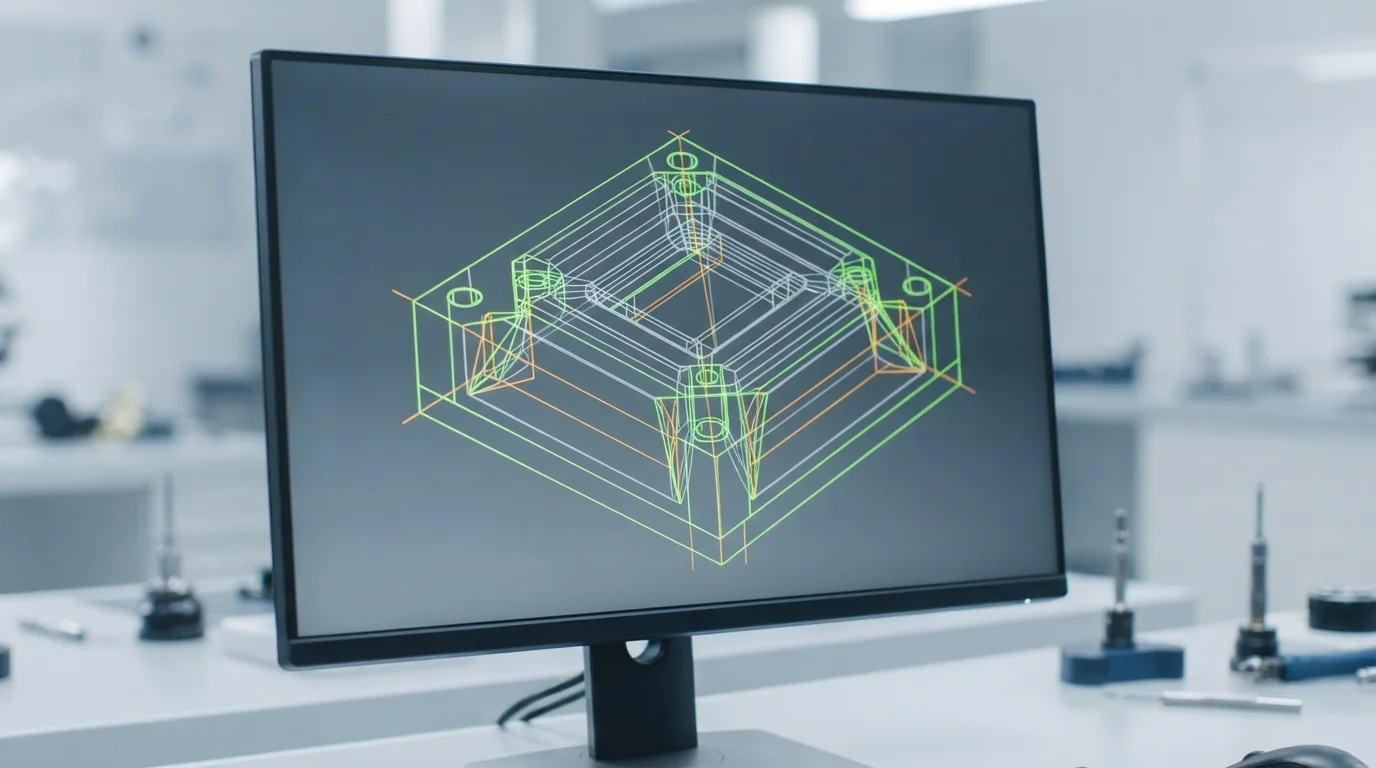
Slicing complex three-dimensional CAD files precisely allows experienced toolmakers to analyze parting lines, draft angles, and wall thicknesses using advanced mold flow simulation software. Standardizing non-critical clearances allows high-speed milling spindles to clear raw stock quickly, maximizing cutting efficiency. Sourcing your copies from an experienced manufacturer ensures design changes are propagated across all stages safely. Let’s look at why specific alloy compositions dictate tool longevity and how you can optimize your next mold project.
Table des matières
1. Zinc and Magnesium Metallurgy of Space-Grade Alloys
2. Choosing Between 7075 and 6061 Grades for Cavity Milling
3. Advanced Alternatives: Sourcing QC-10 and Hokotol Core Plates
Zinc and Magnesium Metallurgy of Space-Grade Alloys
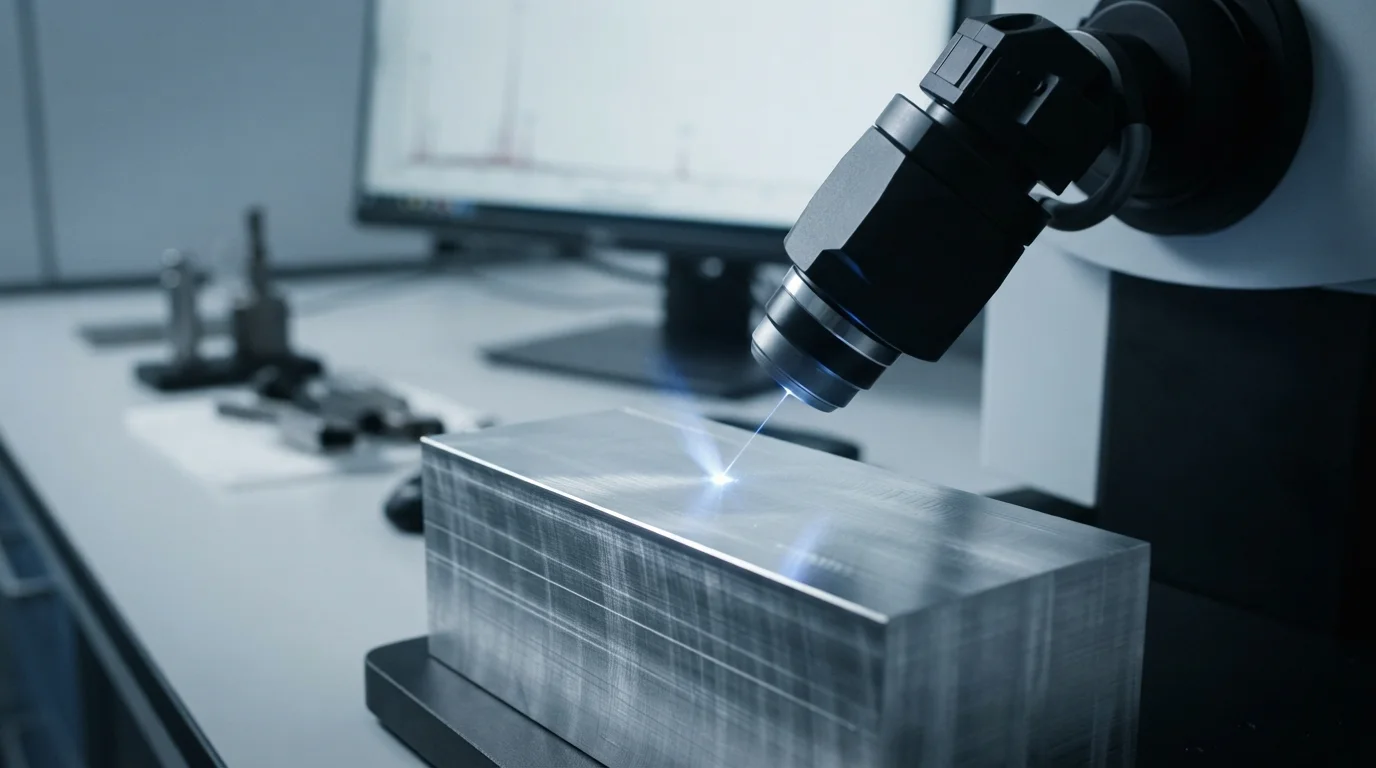
Question: What metallurgical elements give AL7075-T6 its high hardness? Alloyed zinc (5.1–6.1%) and magnesium (2.1–2.9%) undergo precipitation hardening, bringing metal yield strength near structural steel limits.
Precipitation-hardened aluminum alloys cut incredibly fast on CNC machines while maintaining the structural yield strength required to survive thousands of injection cycles. Sourcing a high-yield 7075 aluminum tooling plate provides a premium foundation that resists surface deformation under intense machine clamping forces. Tooling designers utilize zinc and magnesium alloying mechanics to protect parting lines from crushing or rolling during high-pressure cycles. Symmetrical metal grain structures prevent internal stress relief warping during high-speed spindle runs.
Zinc elements act as the primary strengthening agent, creating highly stable metallurgical boundaries when combined with magnesium and copper. Splicing raw CAD files precisely allows experienced toolmakers to analyze parting line shut-offs manually. Sourcing these specialized alloys ensures your prototype parts perform exactly like series-production injection molded components. Sourcing high-quality billet metals protects your developmental budget from material premium markups.
Choosing Between 7075 and 6061 Grades for Cavity Milling
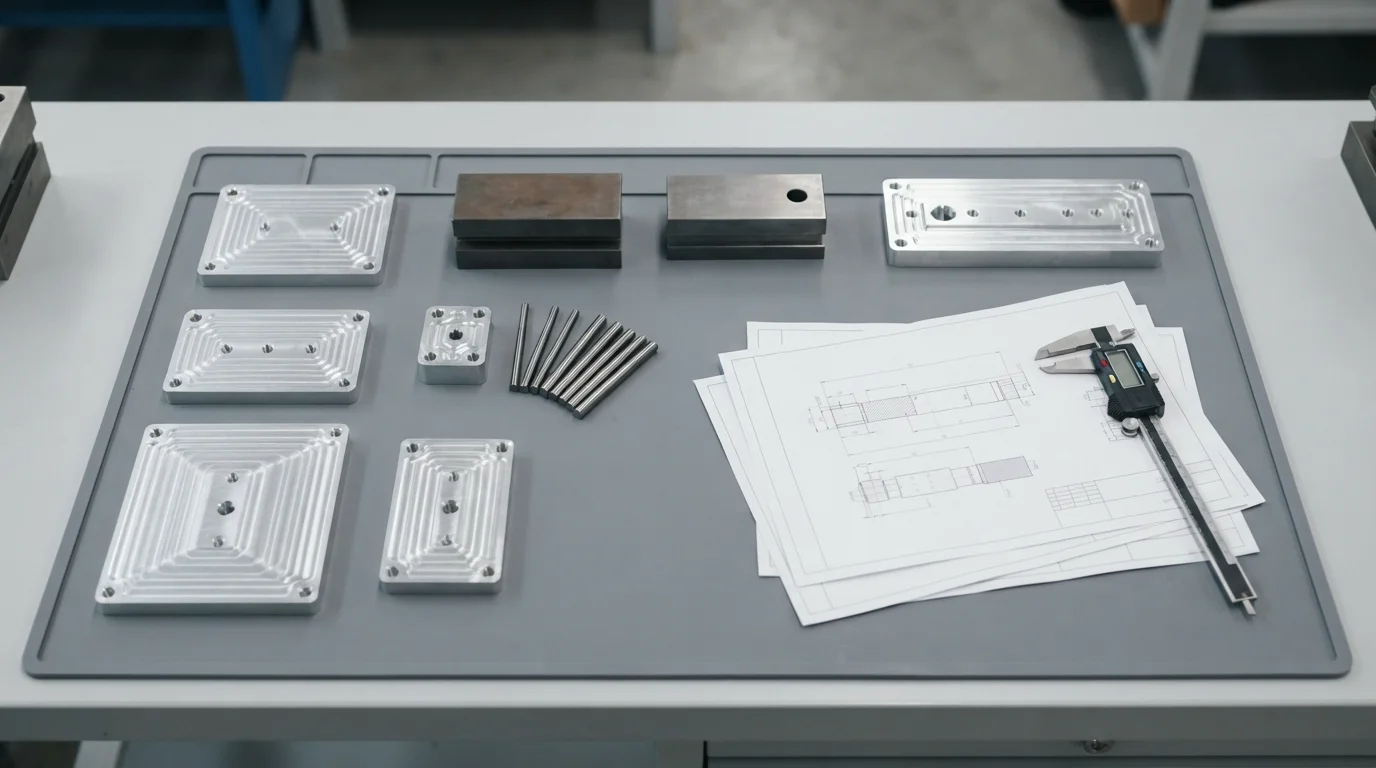
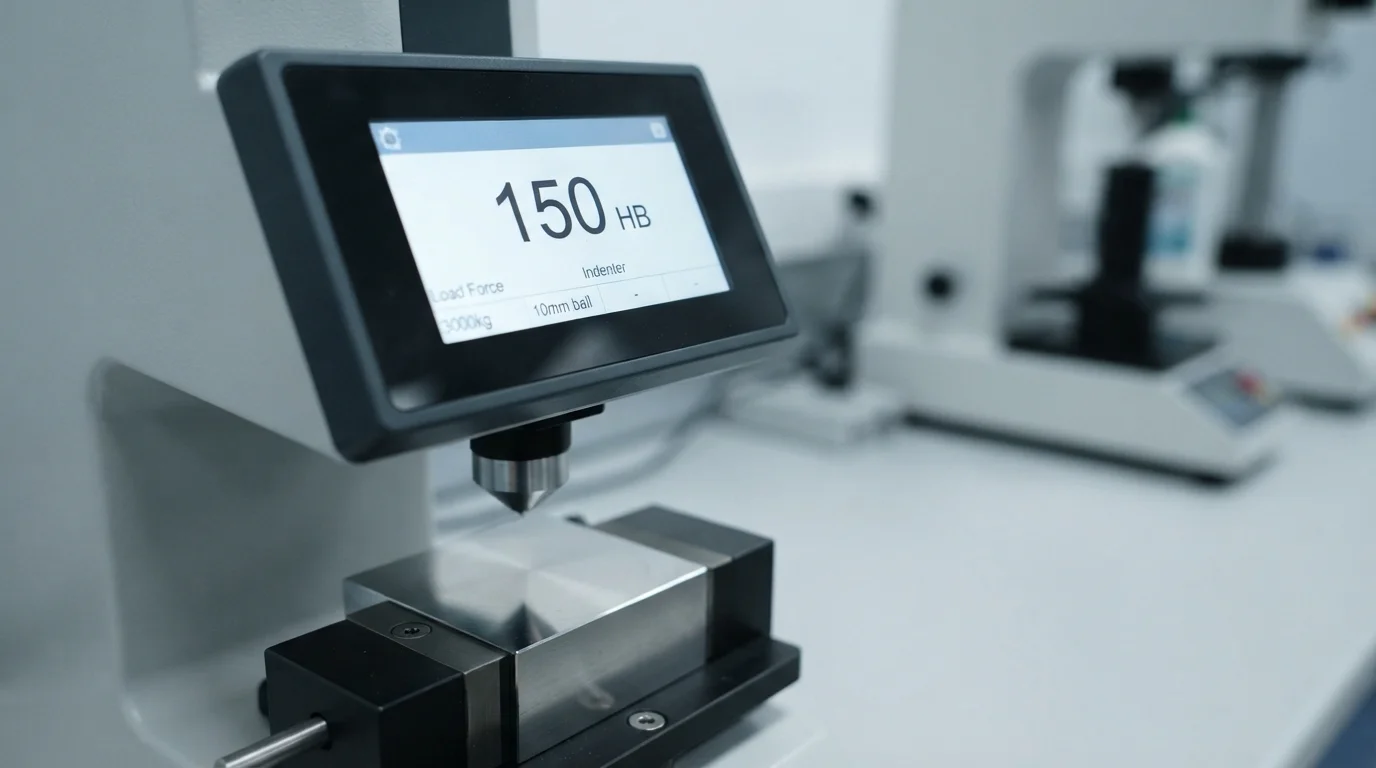
Question: Why is 7075 aluminum superior to 6061 for injection mold cavities? AL7075-T6 exhibits a Brinell hardness of 150 HB, allowing cavities to hold sharp corners and resist abrasive polymer wear far better than AL6061-T6 (95 HB).
La sélection du matériau structurel correct implique d'équilibrer les propriétés physiques brutes avec les temps d'usinage globaux et l'usure des outils. L'approvisionnement en billettes de plaque d'outillage en aluminium 7075 garantit que les cavités de moule conservent des angles vifs et des textures de surface polies sous un flux de polymère abrasif. L'AL6061-T6 représente un alliage très économique pour les montages généraux, mais sa faible dureté permet au flux de polymère d'éroder rapidement les canaux d'injection. Ce tableau de comparaison technique met en évidence les propriétés matérielles de base essentielles au succès de la fabrication de moules par enlèvement de matière :
| Nuance d'alliage | Dureté Brinell | Conductivité thermique | Objectif B2B principal |
|---|---|---|---|
| AL7075-T6 | 150 HB | 130 W/m·K | Insertions de noyau et de cavité, lignes de joint haute pression |
| AL6061-T6 | 95 HB | 167 W/m·K | Bases de moule basse pression, plaques d'éjection modulaires (MUD) |
| QC-10 (Premium) | 165 HB | 160 W/m·K | Blocs de noyau haute durabilité, cycles d'injection rapides de plus de 50 000 pièces |
L'usinage de l'alliage 7075 est très efficace, produisant des copeaux métalliques nets qui se dégagent facilement des dents de la fraise sans coller. L'aluminium 6061 doux, en revanche, a tendance à coller aux cannelures des outils de coupe, entraînant une casse d'outil ou des marques de frottement rugueuses sur la surface. L'approvisionnement en plaques d'outillage en aluminium 7075 garantit une finition impeccable, sans marques d'outil, directement sortie de nos broches de fraisage à haute vitesse. Des lignes de refroidissement symétriques acheminées sur des machines CNC multi-axes suivent des contours de pièces complexes, maintenant une uniformité de refroidissement absolue.
Le fraisage de cavités de noyau dans des alliages d'aluminium à haute dureté garantit que les trous de vis critiques pour le filetage résistent aux forces d'arrachement lors des cycles d'assemblage répétés. Les concepteurs mécaniques réduisent les coûts de fabrication en maintenant des dimensions de paroi robustes qui résistent facilement à la pression de coupe rotationnelle. Les montages de maintien symétriques simplifient les configurations de moule, réduisant considérablement les heures de programmation initiales.
Alternatives avancées : Approvisionnement en plaques de noyau QC-10 et Hokotol
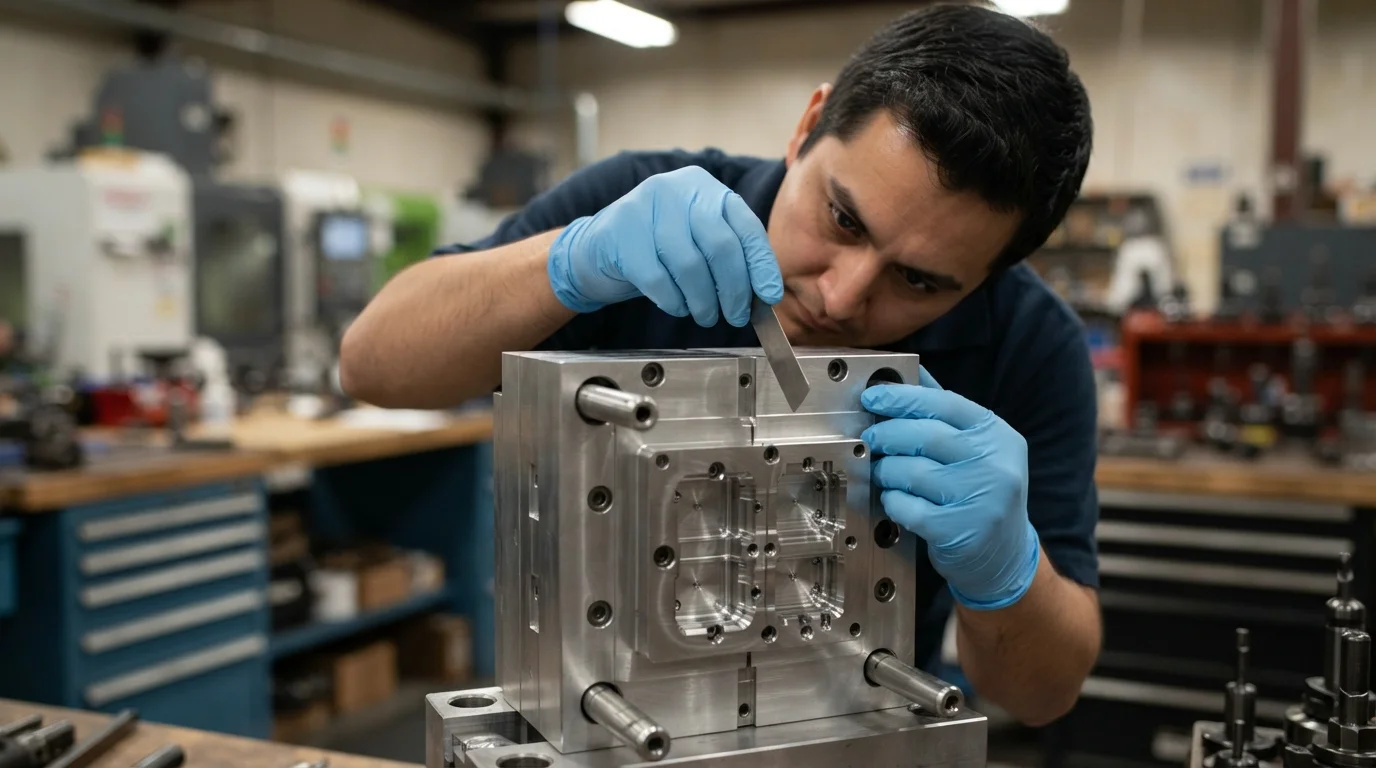
Question : Quels alliages de moule premium surpassent la plaque 7075 standard ? Les matériaux d'outillage spécialisés comme le QC-10 d'Alcoa et le Hokotol offrent une dureté encore plus élevée (jusqu'à 165 HB) et une consistance supérieure à travers l'épaisseur.
L'approvisionnement en alliages d'outillage avancés comme le QC-10 ou le Hokotol représente une étape nécessaire lors du lancement de programmes d'injection haute pression avec des résines abrasives. Pré-trempé Acier à outils comme P20) reste la norme de l'industrie pour une durabilité extrême, mais ces alliages d'aluminium premium offrent un excellent choix intermédiaire. La métallurgie aluminium-zinc garantit une dureté uniforme de la surface de la plaque jusqu'au noyau central, protégeant les poches fraisées en profondeur. L'approvisionnement en ces alliages spécialisés garantit que vos moules rapides survivent à des cycles de production étendus sans problème.
Jucheng Precision exploite une usine entièrement intégrée comprenant à la fois des centres d'usinage multi-axes et des presses de moulage par injection de précision. L'approvisionnement auprès de notre expert analyses DFM gratuites 24h/24 Les avis aident les groupes de produits à optimiser les emplacements de carottes, les lignes de joint et les profils de dépouille avant de couper le métal. L'approvisionnement en Service d'outillage rapide dédié utilisant des noyaux en aluminium ou en acier doux fournit de véritables composants moulés par injection à partir de résines de qualité production en quelques semaines. L'approvisionnement de prototypes de haute qualité garantit que vos conceptions sont construites pour résister en toute sécurité à des forces dynamiques sévères.
S'associer à un spécialiste certifié Service de moulage par injection spécialiste garantit que votre matériel fini correspond à l'expérience logicielle premium. L'approvisionnement manuel de vos devis garantit que des ingénieurs expérimentés analysent vos fichiers 3D STEP pour trouver des moyens supplémentaires d'optimiser votre outillage en aluminium sélection de matériaux. L'approvisionnement en pièces de pré-production haute fidélité prévient les retouches d'outillage et protège les budgets de lancement. L'approvisionnement de vos composants auprès de notre installation de fabrication certifiée sous un même toit prévient les erreurs de communication, garantissant que les modifications de conception sont propagées à toutes les étapes en toute sécurité.
Foire aux questions (FAQ)
Pourquoi l'aluminium 7075-T6 est-il supérieur au 6061-T6 pour les cavités de moule ?
La sélection de l'aluminium AL7075-T6 plutôt que le 6061-T6 standard est critique car le 7075 a une limite d'élasticité significativement plus élevée (503 MPa contre 276 MPa) et une dureté supérieure. La normalisation précoce de vos géométries CAO vous permet d'utiliser des moules en aluminium à outillage rapide pour contourner les dépenses élevées des moules en acier en amont.
Quel est l'avantage de la conductivité thermique du QC-10 par rapport aux plaques 7075 standard ?
Les plaques QC-10 premium présentent une conductivité thermique exceptionnelle de 160 W/m·K, soit plus de cinq fois supérieure à celle de l'acier d'outillage P20 standard. L'approvisionnement en ces alliages à haute conductivité permet aux mouleurs de réduire les temps de cycle de refroidissement jusqu'à 50 pour cent, réduisant considérablement les coûts globaux des pièces.
Comment la dureté Brinell dicte-t-elle la pression d'injection maximale sur les noyaux en aluminium ?
La dureté Brinell de 150 HB permet à l'aluminium 7075 de résister à des pressions de force de serrage allant jusqu'à 500 tonnes en toute sécurité sur les machines de moulage standard. L'approvisionnement en revues DFM précoces simplifie les lignes de séparation, empêchant les fermetures souples de s'écraser sous des pressions de serrage élevées.

