


La validation de l'esthétique des produits destinés aux consommateurs exige un équilibre méticuleux entre l'harmonie visuelle, l'ergonomie physique et le retour tactile. Les équipes de conception de produits développant des coques de smartphones, des appareils électroménagers ou des manettes portables sont confrontées à une concurrence intense sur le marché où l'attrait visuel influence directement les décisions d'achat. Les maquettes physiques haute fidélité servent d'instruments de validation essentiels pour vérifier les assemblages par encliquetage et les dégagements électroniques internes avant d'engager des ressources importantes d'outillage. Le recours à des services de fabrication rapide appropriés garantit que les groupes de conception obtiennent des représentations précises simulant les finitions de production exactes en toute sécurité.
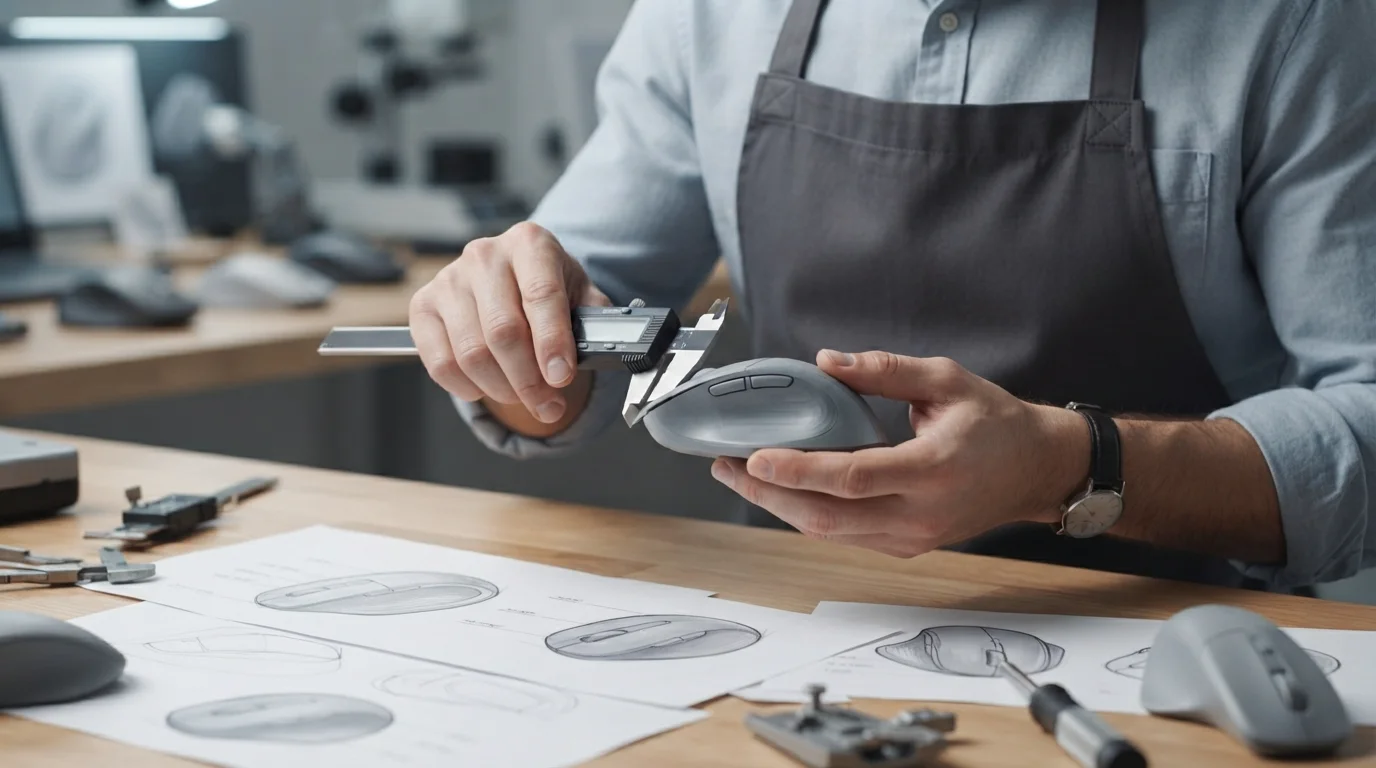
L'intégration de méthodes de fabrication avancées aux premières itérations de design industriel accélère les cycles de développement et élimine les erreurs de conception coûteuses. L'utilisation de prototypage rapide pour la conception de produits permet aux groupes d'ingénierie de réaliser des tests de facteurs humains en conditions réelles et d'affiner les contours de courbure physique pour le confort. Les maquettes physiques représentent des instruments de communication essentiels utilisés pour obtenir l'alignement des parties prenantes et sécuriser les investissements en capital-risque. Les ingénieurs produit évaluent les lignes de joint, les comportements d'écoulement de moule et les configurations de contraintes mécaniques pour préserver l'intégrité structurelle.
Table des matières
1. Modèles physiques dans les phases de design industriel
2. Études de forme et tests de validation ergonomique
3. Prototypage cosmétique et opérations de finition de surface
Modèles physiques dans les phases de design industriel

Question : Pourquoi les concepteurs de produits ont-ils besoin de modèles physiques au lieu de se fier uniquement aux logiciels de CAO 3D ? Les modèles physiques révèlent les proportions volumétriques réelles, les détails d'ombrage et les dégagements ergonomiques qui restent invisibles sur les écrans d'ordinateur plats.
Les logiciels de dessin assisté par ordinateur offrent une excellente précision dimensionnelle, mais les rendus numériques déforment fréquemment les proportions volumétriques réelles dans l'éclairage environnemental réel. La mise en œuvre de modèles physiques dès les premières phases de conception permet aux équipes de design industriel d'évaluer les détails d'ombrage, les emplacements des lignes de joint et les courbures tactiles de manière réaliste. Contourner les étapes de validation physique expose les marques grand public à des risques élevés d'interférence structurelle ou de mauvais retour d'interaction utilisateur lors de la mise à l'échelle. Les marques grand public prospères utilisent le prototypage rapide pour les flux de travail de conception de produits afin de valider les paramètres spatiaux sous lumière ambiante réelle.
Les ingénieurs mécaniciens évaluent les dégagements d'encliquetage et les hauteurs d'actionnement des boutons à l'aide de ces échantillons tactiles. Le retour visuel est associé à des poids physiques réalistes pour éviter que les appareils portables ne semblent creux ou cassants. L'obtention précoce de modèles physiques à l'échelle reste une étape non négociable pour affiner les détails cosmétiques essentiels et garantir la répétabilité de l'assemblage.
Études de forme et tests de validation ergonomique
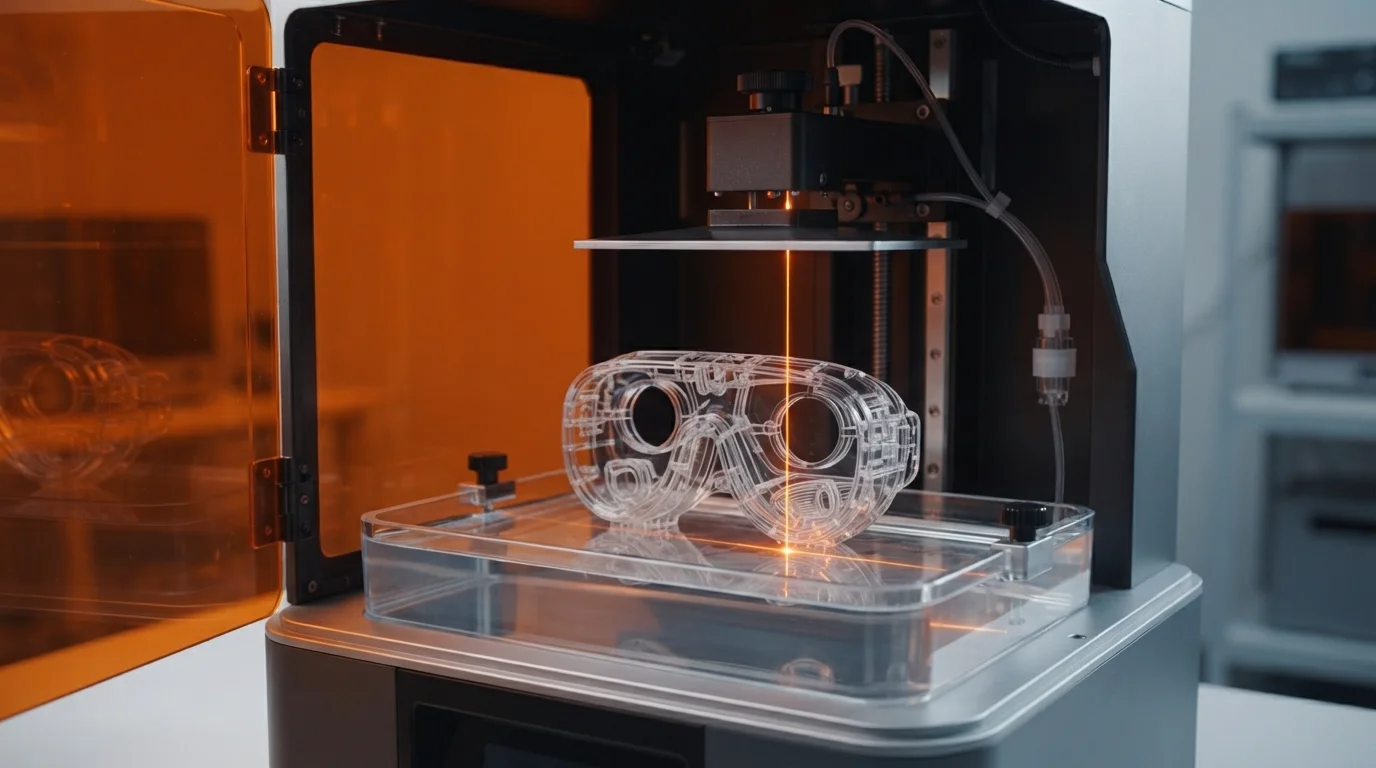
Question : Quel est le processus le plus efficace pour valider le confort de préhension ? L'impression SLA haute fidélité ou le moulage en polyuréthane fournit des contours physiques précis pour réaliser des études de placement des doigts ergonomiques.
Les instruments médicaux portables et l'électronique grand public exigent une vérification méticuleuse de l'expérience utilisateur pour garantir une manipulation sans fatigue lors d'opérations prolongées. Les concepteurs de produits utilisent une haute résolution Impression 3D SLA pour générer des formes organiques délicates qui épousent parfaitement les articulations des doigts humains. L'intégration de maquettes physiques à petite échelle dès le début aide les groupes mécaniques à positionner logiquement les boutons tactiles, les grilles de haut-parleurs et les chemins de voyants LED. Cette approche méticuleuse conception de prototypage rapide garantit que les modules électroniques internes s'alignent parfaitement avec les boîtiers en plastique sur mesure.
La sélection du processus cosmétique approprié équilibre la résistance mécanique et la fidélité de surface. Cette comparaison technique décrit les capacités physiques des méthodes courantes de prototypage esthétique :
| Famille de procédés | Fidélité esthétique | Délai de livraison | Utilisation idéale en design industriel |
|---|---|---|---|
| Impression 3D SLA | Haute précision cosmétique | 2 à 4 jours ouvrés | Études de forme, guides de lumière translucides |
| Moulage sous vide | Finition exceptionnelle de qualité commerciale | 5 à 10 jours ouvrés | Poignées souples en élastomère, boîtiers colorés |
| Usinage CNC | Poids et résistance réalistes | 4 à 7 jours ouvrés | Metallic trim bezels, structural hinges |
Cosmetic Prototyping and Surface Finishing Operations
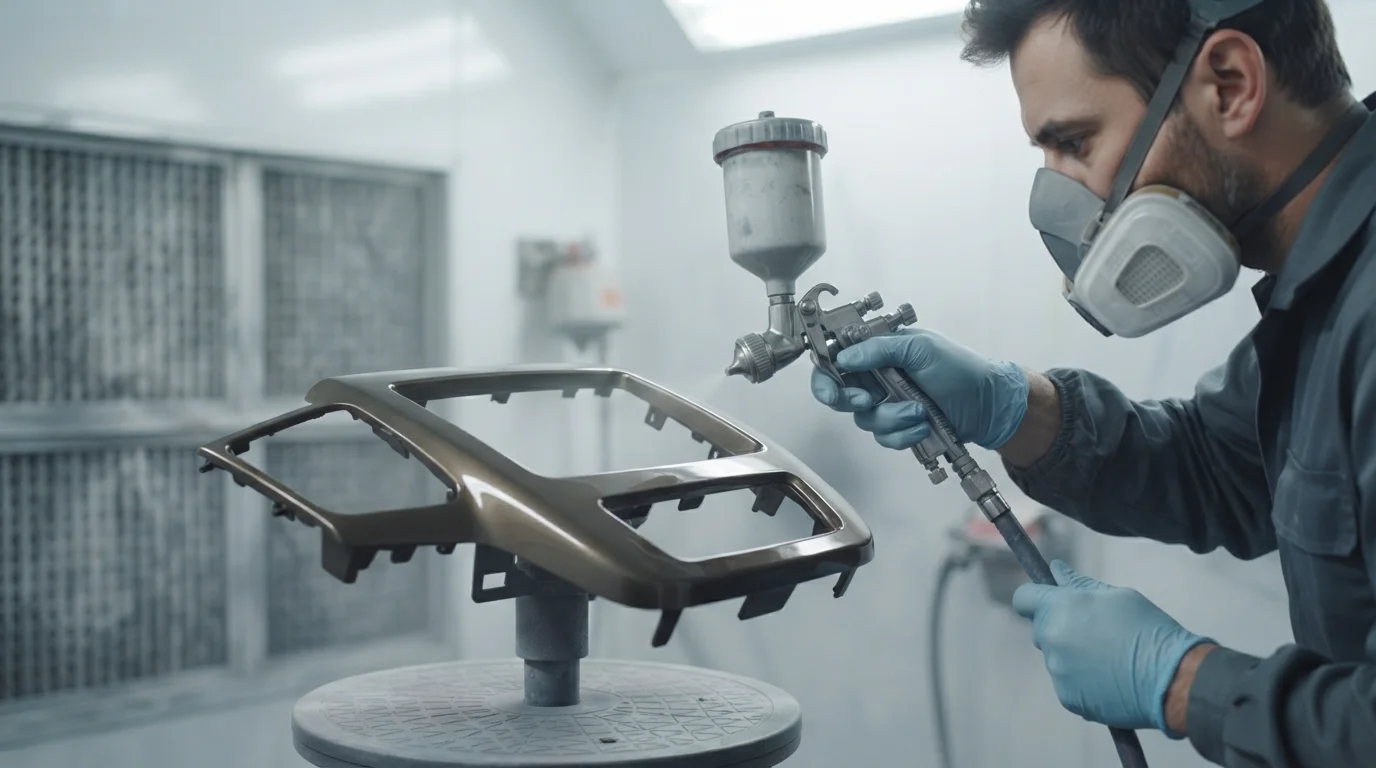
Question: How do prototype plastic enclosures achieve a premium retail-ready look? Expert technicians apply manual wet-sanding, multi-layer polyurethane spray-painting, and precise pad-printing.
Marketing departments and venture capitalists require physical models that duplicate the exact cosmetic feel of mass-produced commodities. Jucheng Precision operates a specialized post-processing facility to deliver pristine, hand-sanded cosmetic finishes that mirror premium retail-grade aesthetics. Technicians apply multi-layer polyurethane spray coatings, custom soft-touch paints, and precise laser engraving to reproduce fine exterior textures. Finished assemblies deliver the tactile gravity and surface crispness needed to win crucial stakeholder approvals.
Utilizing certified coulée sous vide services allows design groups to produce elastomer wristbands and colored casings with consistent surface finishes. Sourcing custom colored polyurethane resins matching specific Pantone formulas eliminates surface paint scratching risks during active field validation. Successful execution during early rapid prototyping for product design stages ensures structural snap-fits actuate with a crisp, audible feedback without stressing fragile plastic ribs.
Pragmatic manufacturing programs with no minimum order requirements allow consumer tech startups to run extensive dynamic fitment checks. Jucheng Precision delivers comprehensive analyses DFM gratuites 24h/24 reviews, resolving mechanical parting line mismatching or draft defects early. Sourcing high-fidelity mockups within 4 to 15 days helps engineering departments accelerate developmental lifecycles and secure competitive market entry.
Foire aux questions (FAQ)

What is the best rapid prototyping method for product design?
SLA 3D printing and vacuum casting represent the premier manufacturing methods for visual and tactile user-experience validation. Vacuum casting in silicone molds reproduces authentic elastomer overmolding, while CNC milling delivers actual mechanical weight.
Can painted plastic prototypes survive dropping tests?
Polyurethane paints and clear coatings survive standard wear and drop friction tests without peeling when applied over thoroughly prepared, sandblasted plastic bases. High-impact ABS or polycarbonate materials are milled to guarantee structural integrity during dynamic impacts.
Why are parting lines optimized during aesthetic prototyping?
L'optimisation de la ligne de partage empêche les bavures esthétiques visibles le long des contours critiques de la poignée, garantissant un contact tactile ergonomique sans couture. Les techniciens examinent les lignes de partage lors des analyses DFM pour s'assurer que la séparation du prototype s'aligne sur les profils finaux du moule d'injection.

