


Votre produit doit être abordable. Mais il ne doit pas sembler bon marché. C'est l'un des plus grands défis de la conception de produits de consommation. Le matériau que vous choisissez est au cœur de ce défi.
Deux des héros les plus courants dans cette histoire sont le polyéthylène (PE) et le polyéthylène téréphtalate (PET). Vous les voyez tous les jours. Ce sont les matériaux des bidons de lait et des bouteilles d'eau.
Parce qu'ils sont si courants, de nombreux concepteurs les considèrent comme " bon marché ". C'est une erreur. Entre les mains d'un fabricant qualifié, ces matériaux du quotidien types de plastiques peuvent être transformés en produits haut de gamme. Ce guide vous montrera comment.
contenu :
Le défi : rendre le ' bon marché ' ' haut de gamme '
Polyéthylène (PE) : la famille de la flexibilité
Le point de vue d'un fabricant sur le PE
PET : le champion de la clarté et de la résistance
Au-delà des bouteilles : les talents cachés du PET
Faire le bon choix : les conseils d'un partenaire
Le défi : rendre le ' bon marché ' ' haut de gamme '
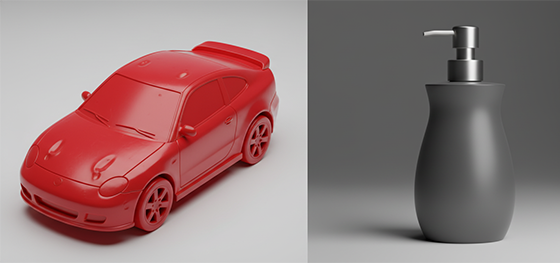
La valeur perçue d'un produit ne réside pas seulement dans la matière première. Elle réside dans l'exécution. Un produit fabriqué à partir de plastique bon marché avec un processus de fabrication de mauvaise qualité semblera bon marché. Il aura des lignes de joint laides, des marques de retrait et une couleur incohérente.
Mais un produit fabriqué à partir du même plastique abordable, avec un moule de haute précision et un processus parfaitement contrôlé, peut sembler luxueux. Les coutures sont invisibles. La surface est impeccable. La couleur est riche et uniforme.
C'est le secret. Le savoir-faire du fabricant est ce qui libère le potentiel des matériaux rentables comme le PE et le PET.
Polyéthylène (PE) : la famille de la flexibilité
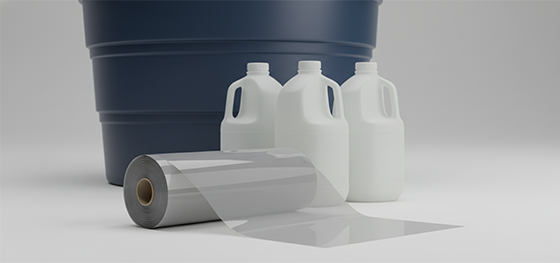
Le polyéthylène est une grande famille de plastiques. La personnalité d'un matériau plastique PE est définie par sa densité.
Low-Density Polyethylene (LDPE) is very soft and flexible. It is used to make plastic bags and squeeze bottles.
High-Density Polyethylene, or hdpe plastic material, is much more rigid and strong. This is the material of milk jugs, shampoo bottles, and chemical drums. It has a slightly waxy feel and is naturally a milky white color. It is known for its excellent impact strength and chemical resistance.
There are other types too, like Ultra-High-Molecular-Weight (UHMW) PE, which is so tough it is used to make machine guards and even artificial joints.
Le point de vue d'un fabricant sur le PE
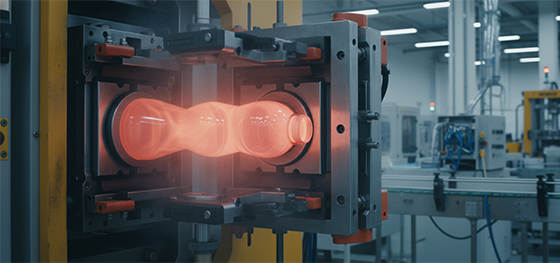
From a manufacturing standpoint, PE is a friendly material. It has a low melting point and flows easily. This makes it ideal for high-speed, high-volume processes.
The most common process for making PE containers is blow molding. A tube of hot plastic is inflated inside a mold, like a balloon. This is how billions of bottles are made cheaply and quickly.
HDPE is also excellent for CNC machining. It cuts cleanly and does not put a lot of wear on tools. It is a great choice for making durable, low-cost machined prototypes or functional parts like blocks and manifolds.
The challenge with PE is its appearance. It is difficult to paint or glue. A skilled manufacturer can create a premium feel by using a high-quality mold with a special textured surface (like a matte or sandblast finish). This gives the final part a sophisticated, non-plasticky look directly out of the mold.
PET : le champion de la clarté et de la résistance
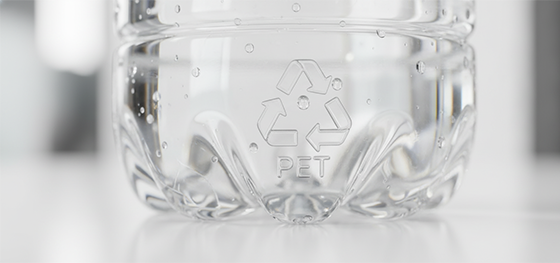
When you think of pet plastic material, you think of a clear water bottle. PET's superpower is its crystal clarity and its excellent ability to hold carbonation.
It is also much stronger and more rigid than PE. It has good dimensional stability, meaning it holds its shape well.
This combination of clarity, strength, and low cost makes it a dominant material in food and beverage packaging. For a cosmetics brand, a thick-walled PET jar can look and feel almost exactly like heavy, expensive glass, but without the risk of breaking.
Au-delà des bouteilles : les talents cachés du PET
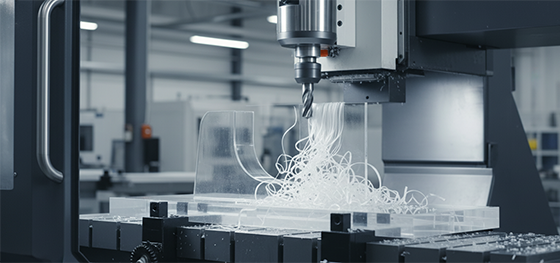
But PET is not just for bottles. A modified version, called PET-G, is a fantastic material for a completely different application: CNC machining.
PET-G is sold in thick, clear sheets. It is very easy to machine. It does not crack or chip like acrylic can. And it has good impact strength.
This makes it a perfect choice for making clear machine guards, see-through prototypes, or display stands. It offers glass-like clarity but with the durability and machinability of a tough plastic. This is a side of PET that many designers overlook.
Faire le bon choix : les conseils d'un partenaire
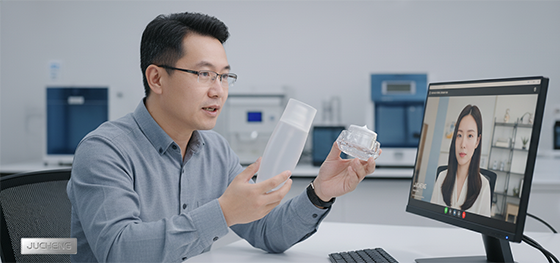
So, for your consumer product, should you choose PE or PET?
If you need flexibility, extreme toughness, or chemical resistance (like for a shampoo bottle), PE is the answer. If you need crystal clarity, rigidity, and a glass-like appearance (like for a luxury cream jar), PET is the better choice.
This is not always an easy decision. This is where a manufacturing partner with deep material knowledge can help. At JUCHENG, we work with these materials every day. We understand their personalities.
We can provide you with DFM feedback and material suggestions. We can help you choose the right material. And then we can apply our expert manufacturing process to make that affordable material look and feel like a million dollars.

