


Le choix entre des noyaux de moule en acier pré-trempé et en aluminium de qualité aéronautique représente l'une des décisions matérielles les plus critiques dans l'ingénierie de moulage par injection en petite série. Les concepteurs d'outillage doivent évaluer si le coût d'usinage initial plus faible de l'aluminium doux compense la résistance à l'usure supérieure des plaques d'acier pré-trempé. L'approvisionnement en maquettes physiques haute fidélité permet aux entreprises de matériel de valider l'ajustement des pièces, mais la transition vers le moulage en petite série exige une compréhension claire de la dynamique d'usure de la cavité. Une planification méticuleuse évite les lessivages précoces du moule, garantissant que les assemblages plastiques personnalisés évoluent en douceur vers une production en faible volume.
Analyser les compromis à long terme du coût de l'outillage en acier P20 vs aluminium garantit que votre équipe produit sélectionne le bon métal de moule pour votre résine cible. Les spécialistes de la fabrication analysent les taux de cisaillement du polymère, la teneur en fibres de verre et les forces de serrage à l'aide d'un logiciel avancé de simulation de flux de moule. S'approvisionner auprès d'un partenaire expérimenté évite les erreurs de communication, garantissant que les modifications de conception sont propagées en toute sécurité à toutes les étapes. Laissez-moi vous guider à travers les prix des billettes brutes, l'usure des fraises CNC et les facteurs de compatibilité des résines qui déterminent votre facture finale.
Table des matières
1. Différences de prix des billettes et calculs d'usinabilité CNC
2. Taux d'usure des outils et heures de broche à haute vitesse
3. Résines abrasives chargées de verre et coût total de possession à long terme
Différences de prix des billettes et calculs d'usinabilité CNC
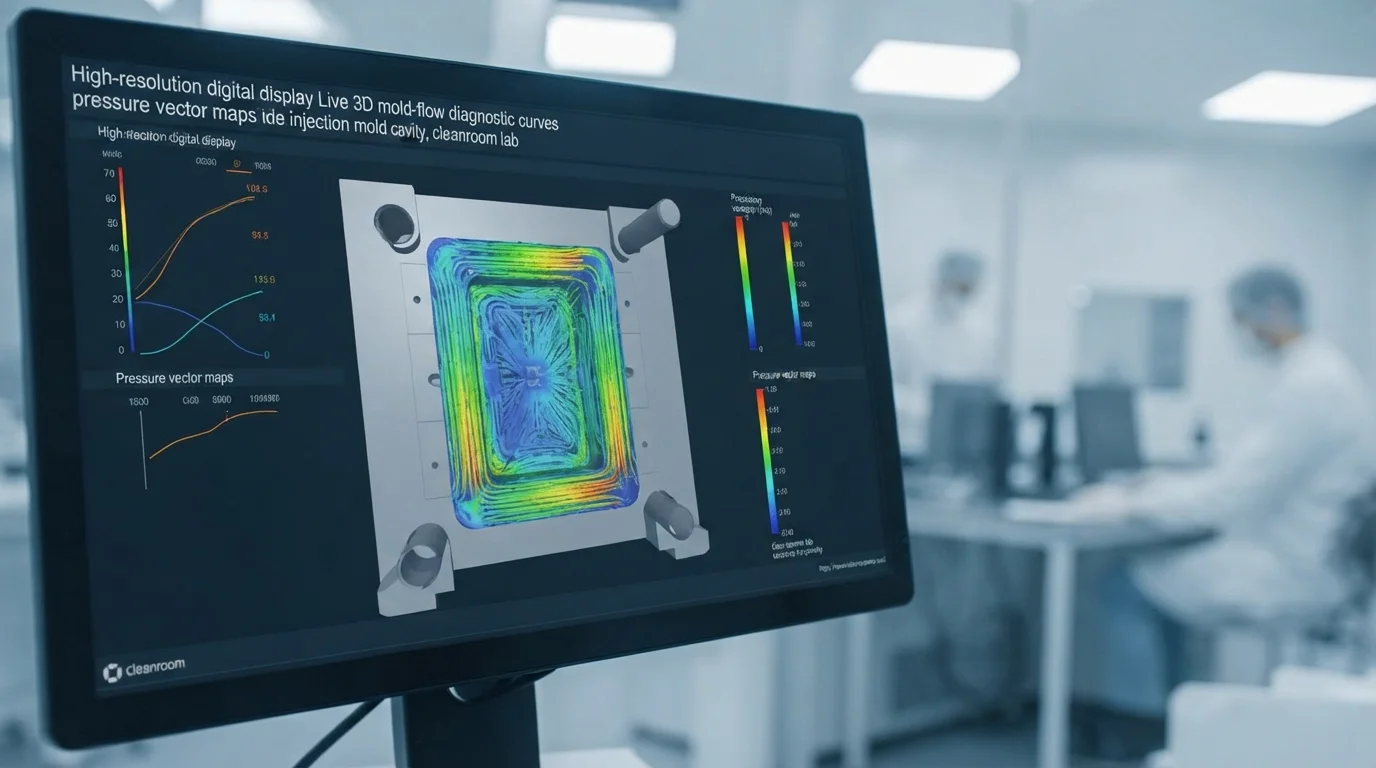
Question : Pourquoi l'acier P20 coûte-t-il plus cher à usiner en moule que l'aluminium ? L'acier P20 pré-trempé possède une dureté plus élevée (28-32 HRC), exigeant des vitesses de coupe plus lentes et provoquant une usure d'outil plus importante que l'AL7075 doux.
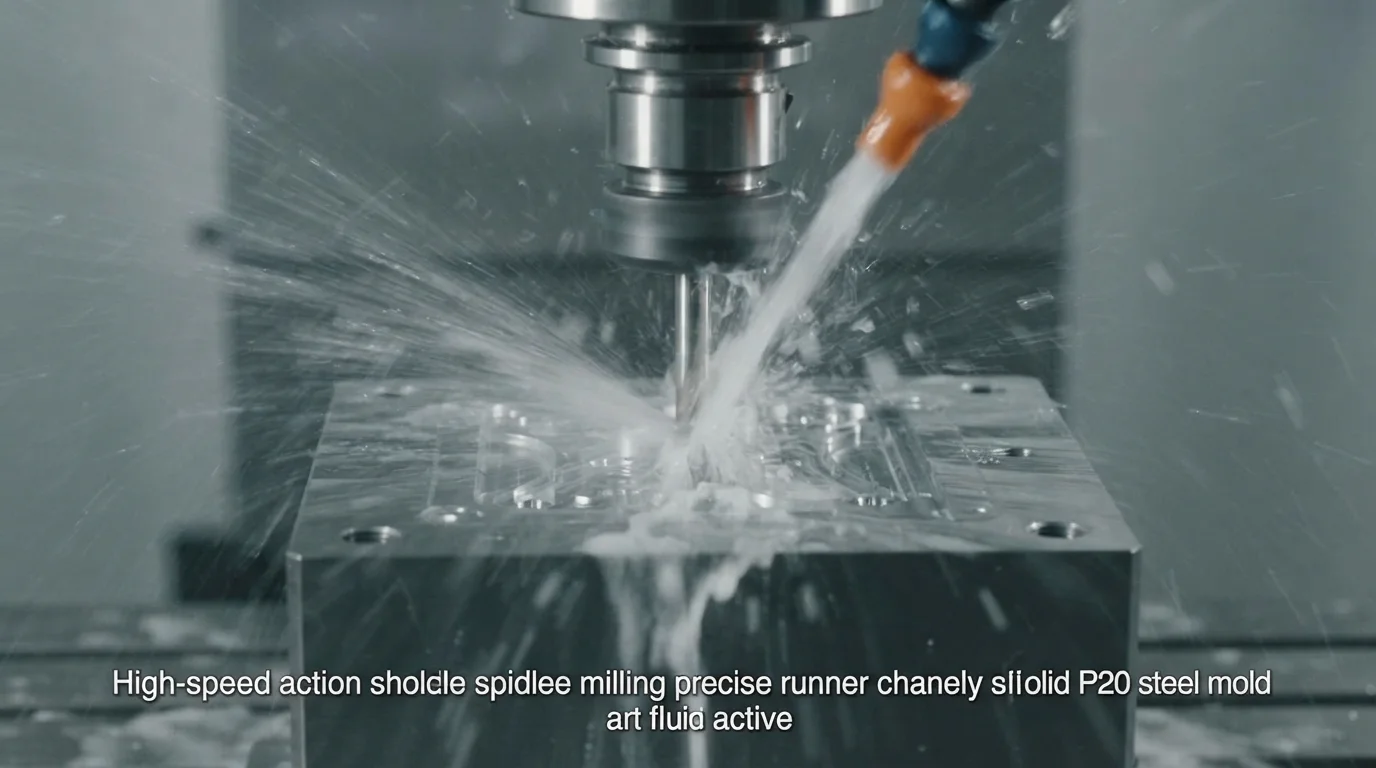
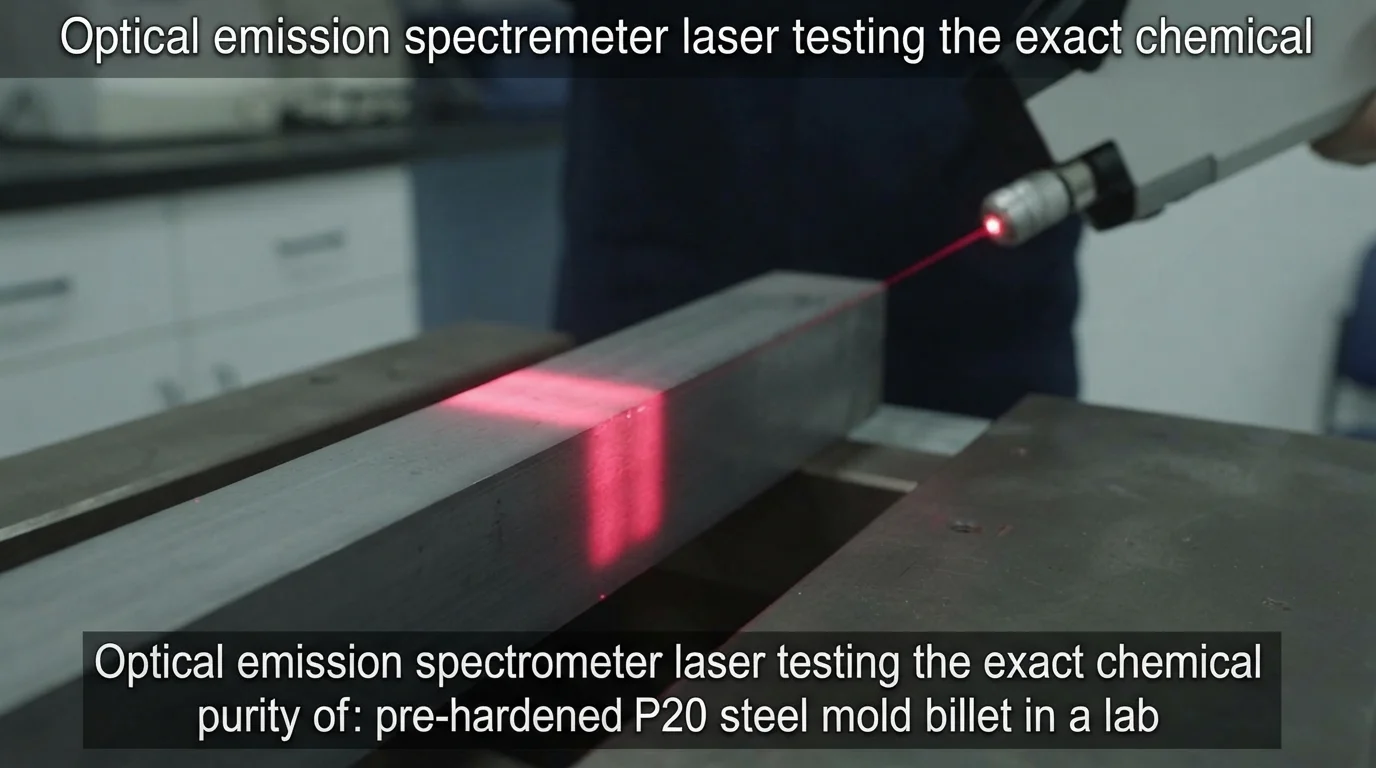
Les frais d'achat des blocs de métal brut ne représentent qu'une fraction des factures initiales de fabrication de moules, tandis que les heures machine CNC représentent le principal facteur de coût. L'approvisionnement en aluminium doux Aluminium (AL7075-T6) permet aux broches à haute vitesse d'éliminer la matière brute jusqu'à cinq fois plus rapidement que l'acier pré-trempé Acier à outils. L'acier pré-trempé P20 arrive pré-trempé à 30 HRC, offrant une rigidité structurelle élevée sans nécessiter de traitement thermique sous vide secondaire. L'approvisionnement en plaques d'acier P20 augmente les heures d'usinage initiales, mais élimine les délais de traitement thermique après fraisage.
Le calcul de votre coût global coût d'outillage rapide nécessite d'équilibrer l'usure de l'outil de coupe par rapport aux heures de coupe de la broche pour chaque option de métal. Les noyaux en aluminium se coupent rapidement avec des fraises standard, tandis que l'acier P20 nécessite des fraises en carbure spécialisées qui s'usent plus rapidement lors du fraisage de poches profondes. Le découpage précis de fichiers CAO complexes permet aux outilleurs expérimentés d'analyser manuellement les fermetures de plan de joint. La normalisation des jeux non critiques permet aux broches de fraisage à haute vitesse de dégager rapidement la matière brute, maximisant ainsi l'efficacité de coupe.
L'approvisionnement de pièces fonctionnelles auprès d'un Service de prototypage professionnel est idéal pour les premières études de forme, mais ces fichiers CAO violent souvent la physique du moulage par injection en production de masse. Le découpage précis des fichiers CAO permet aux outilleurs expérimentés d'analyser les lignes de joint, les angles de dépouille et les épaisseurs de paroi à l'aide d'un logiciel avancé de simulation d'écoulement de moule. Les concepteurs de moules analysent tôt les séparations de ligne de joint pour garantir que les obturateurs en aluminium souple résistent à l'usure sous des pressions de serrage élevées. L'approvisionnement en métaux de billette de haute qualité protège votre budget de développement des majorations de prix des matériaux.
Taux d'usure des outils et heures de broche à haute vitesse
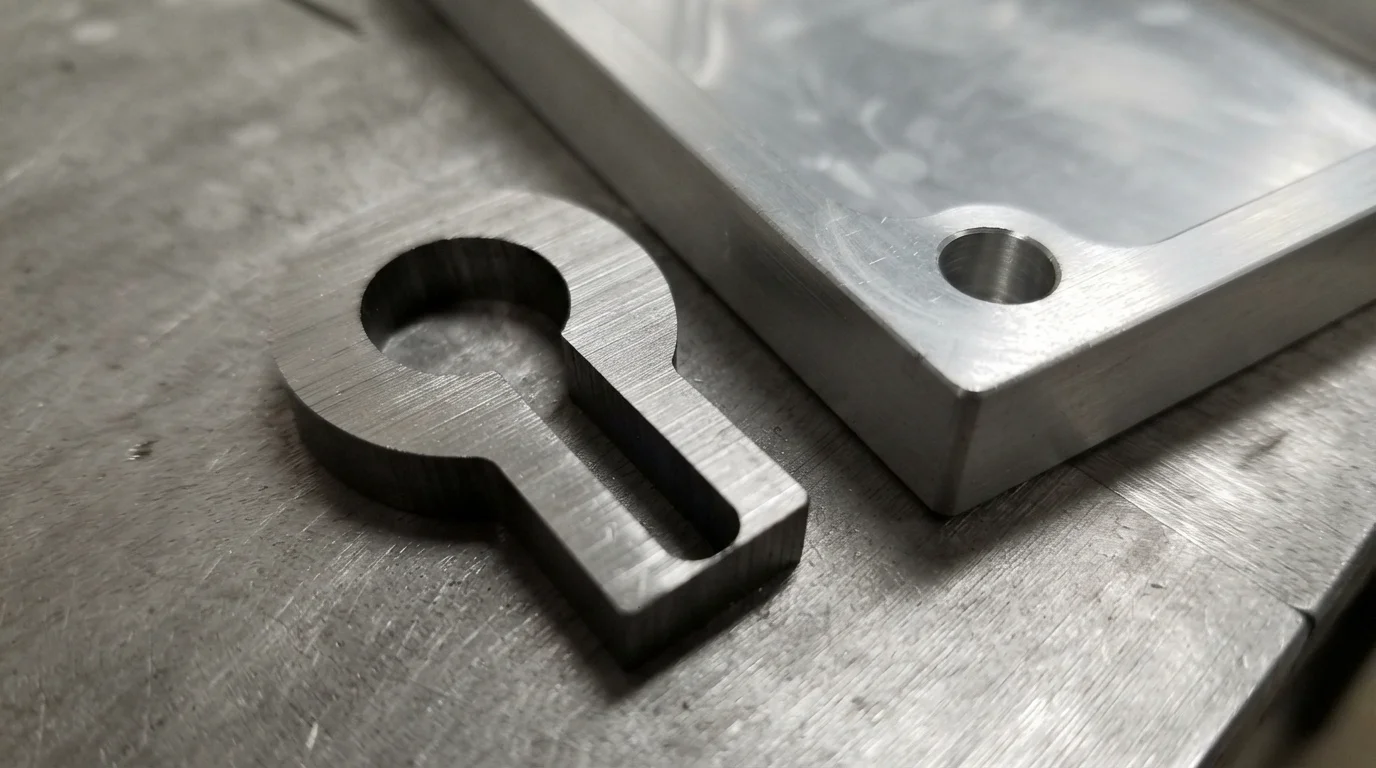
Question : Combien de cycles d'injection un moule en acier P20 peut-il supporter ? Les moules en acier P20 pré-trempé supportent facilement 50 000 à 100 000 cycles d'injection, ce qui les rend supérieurs à l'aluminium pour les séries plus longues de production en petite quantité.
L'évaluation des structures de coûts d'outillage en acier P20 par rapport à l'aluminium implique de projeter le nombre de pièces propres que votre moule peut produire avant de subir une dérive dimensionnelle. Les cavités en acier P20 pré-trempé résistent à l'écrasement du plan de joint et à l'érosion des points d'injection sous des forces de serrage élevées, produisant jusqu'à 100 000 pièces propres. Les moules en aluminium, en comparaison, subissent généralement une usure de fermeture après 10 000 à 20 000 cycles, nécessitant des réparations par repolissage ou micro-soudure. Le choix de l'acier P20 est très économique pour les séries de production en volume moyen où la longévité du moule l'emporte sur les frais initiaux d'usinage CNC.
L'approvisionnement d'un dédié Service d'outillage rapide aide les équipes produit à choisir le métal de moule correct en fonction du volume de commandes annuel et de l'abrasivité du polymère. Ce tableau de comparaison technique présente les principales différences physiques et financières entre les moules en acier P20 et en aluminium AL7075 :
| Matériau du moule | Dureté de la billette | Taux d'enlèvement de matière | Durée de vie estimée de l'outil |
|---|---|---|---|
| Aluminium AL7075-T6 | 150 Brinell | Très élevé (500 cm³/min) | 5 000 à 20 000 cycles |
| Acier pré-trempé P20 | 30 HRC | Modéré (120 cm³/min) | 50 000 à 100 000 cycles |
Résines abrasives chargées de verre et coût total de possession à long terme
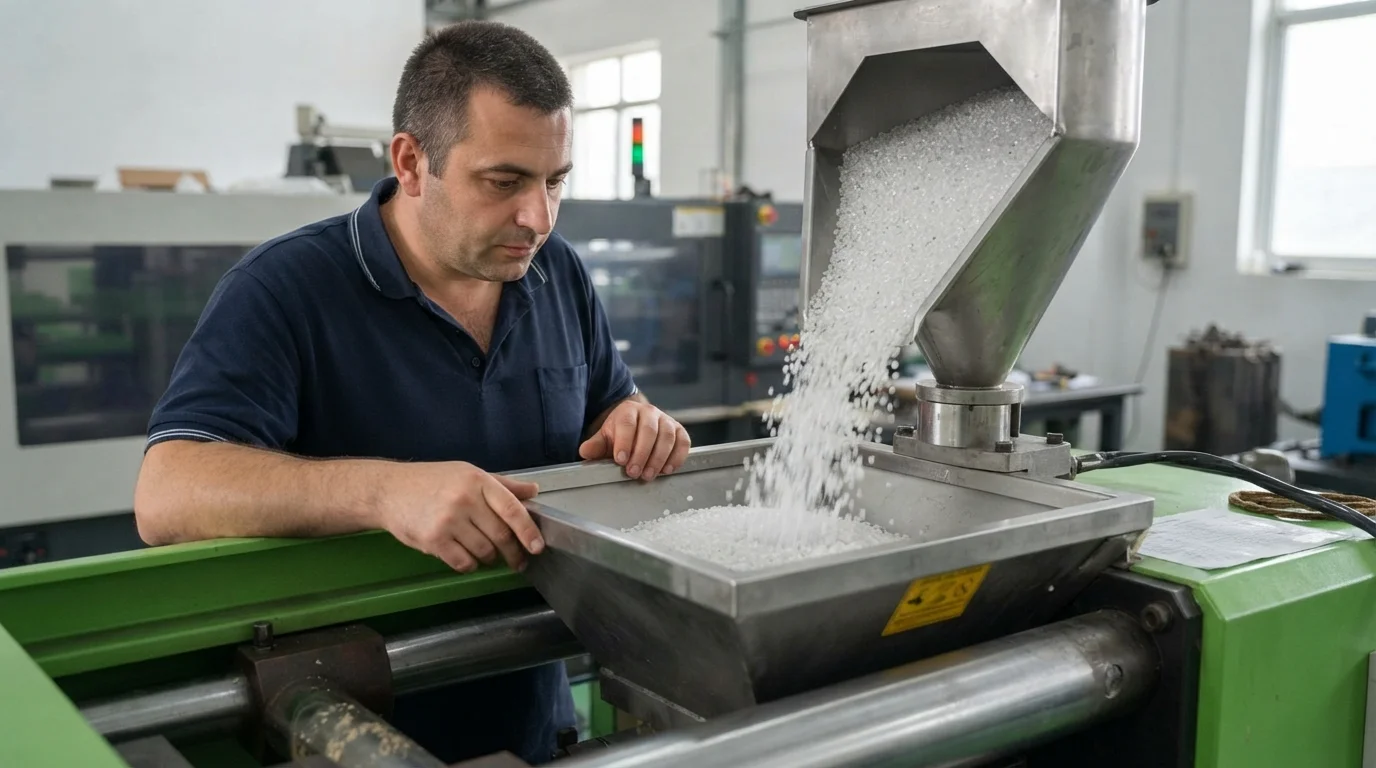
Question : Pourquoi le nylon chargé de verre force-t-il une transition de l'aluminium vers l'acier P20 ? Les fibres de verre hachées agissent comme du papier de verre sous une vitesse d'injection élevée, érodant les points d'injection en aluminium brut en quelques centaines de cycles.
L'injection de thermoplastiques renforcés de fibres comme le nylon chargé de verre Nylon (PA) crée une abrasion intense contre les parois brutes de la cavité et les entrées de points d'injection. L'utilisation de moules en aluminium non trempé pour le nylon chargé de verre 30% entraîne un lavage rapide des points d'injection et des bavures sur le plan de joint après seulement quelques centaines de pièces. Les inserts de noyau en acier P20 pré-trempé résistent facilement au flux de fibres abrasives, protégeant les dimensions des points d'injection et maintenant des tolérances serrées sur les pièces lors de longues séries. L'utilisation d'inserts en acier pour les zones à forte usure préserve les avantages de vitesse des moules en aluminium tout en empêchant une défaillance prématurée de l'outil.
Sourcing your short-run Service de moulage par injection programs from an integrated partner ensures your mold CAD files undergo exhaustive DFM checks before cutting metal. Jucheng Precision operates a fully equipped manufacturing facility containing both multi-axis Service d'usinage CNC multi-axes et des presses de moulage par injection de précision. Les ingénieurs d'usine fournissent des revues analyses DFM gratuites 24h/24 reviews to optimize gate locations, parting lines, and draft profiles. Key engineering steps to lower your p20 steel vs aluminum tooling cost include:
- Hybrid core construction—Utilizing AL7075 aluminum plates for fast cooling with localized P20 steel inserts at high-wear gates
- Uniform wall thickness rules—Designing walls between 1.5 mm and 3.0 mm prevents localized polymer shrinkage and warpage
- Adoption du châssis modulaire MUD—La réutilisation de bases maîtresses universelles évite les frais d'usinage personnalisés du châssis de moule externe
L'approvisionnement en pièces fonctionnelles moulées à partir de thermoplastiques techniques solides comme ABS ou Polycarbonate (PC) provides authentic material behavior under dynamic loading. Key operational benefits of working with a single-roof moldmaker include:
- Revues DFM gratuites 24 heures sur 24—Les ingénieurs d'usine évaluent les lignes de joint, les tailles de points d'injection et les circuits d'eau de refroidissement avant de couper le métal du noyau
- Devis clés en main transparents—Les devis détaillés incluent tous les frais de découpe de carotte secondaire, de peinture de surface et d'emballage dès le départ
- Usinage en atelier d'outillage interne—Les outilleurs d'usine usinent des inserts en aluminium doux ou en acier sous un même toit
Foire aux questions (FAQ)
How much more expensive is P20 steel tooling than aluminum?
Pre-hardened P20 steel costs approximately 20% to 30% more to machine into a mold than AL7075 aluminum due to lower cutting speeds. Sourcing aluminum molds is cheaper initially, but P20 steel becomes cheaper per part over runs exceeding 20,000 units.
How do hybrid molds solve gate wear issues in aluminum tooling?
Installing hardened P20 or H13 steel gate inserts into an aluminum mold core protects high-wear entry channels from abrasive fiber erosion. Hybrid molds combine aluminum’s rapid cooling speed with steel’s localized durability economically.
Does P20 steel require secondary vacuum heat treatment?
L'acier P20 pré-trempé ne nécessite pas de traitement thermique sous vide secondaire car il arrive déjà revenu à 30 HRC. Le fait de contourner les cycles de traitement thermique élimine les risques de déformation thermique du moule et réduit les délais de plusieurs semaines.

