


La validation de conceptions complexes de pièces en plastique nécessite de tester des composants fonctionnels moulés à partir de véritables thermoplastiques de qualité technique avant de s'engager dans la production de masse. Le prototypage avec de vraies résines de production confirme la résistance chimique, les limites de fatigue mécanique et la ténacité aux chocs physiques de manière réaliste. L'obtention précoce de modèles physiques à l'échelle évite aux équipes de développement de verrouiller des erreurs géométriques coûteuses avant l'activation des machines permanentes.
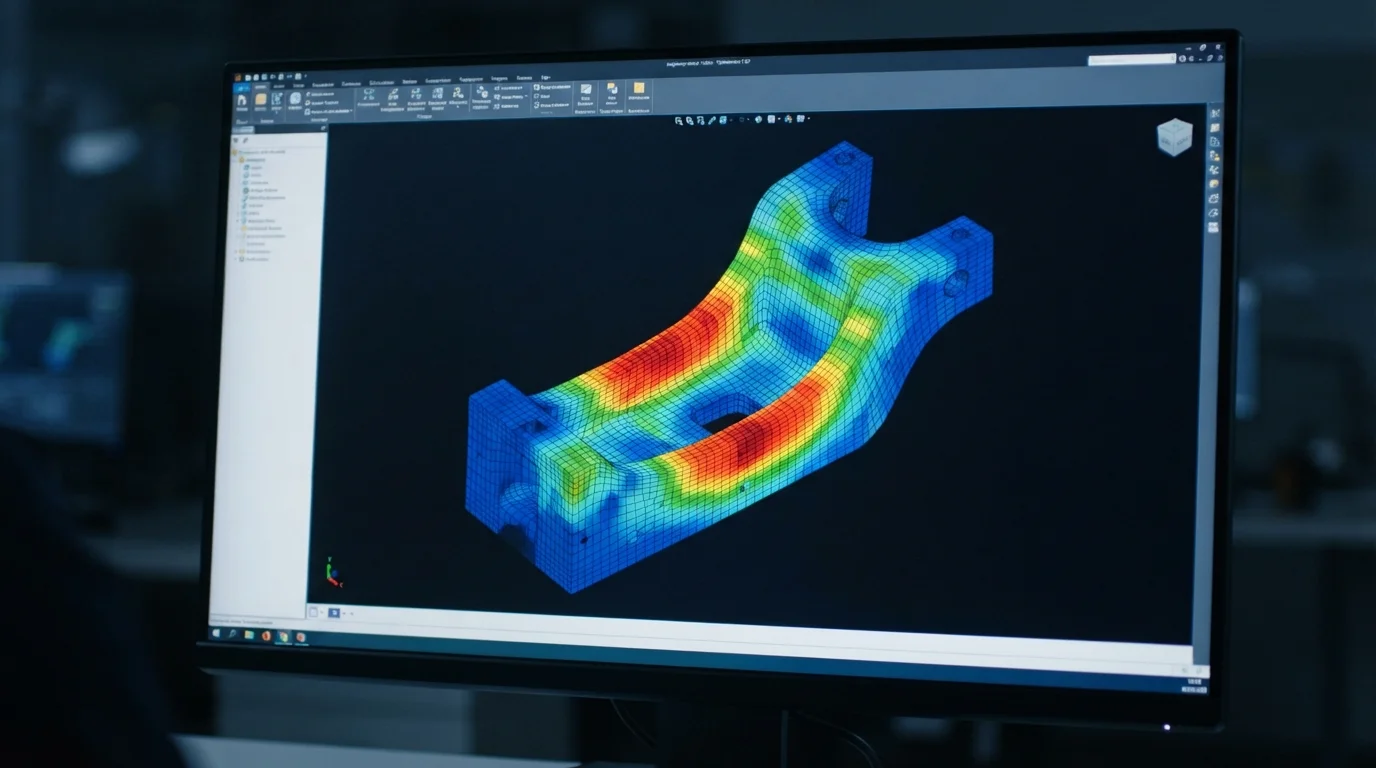
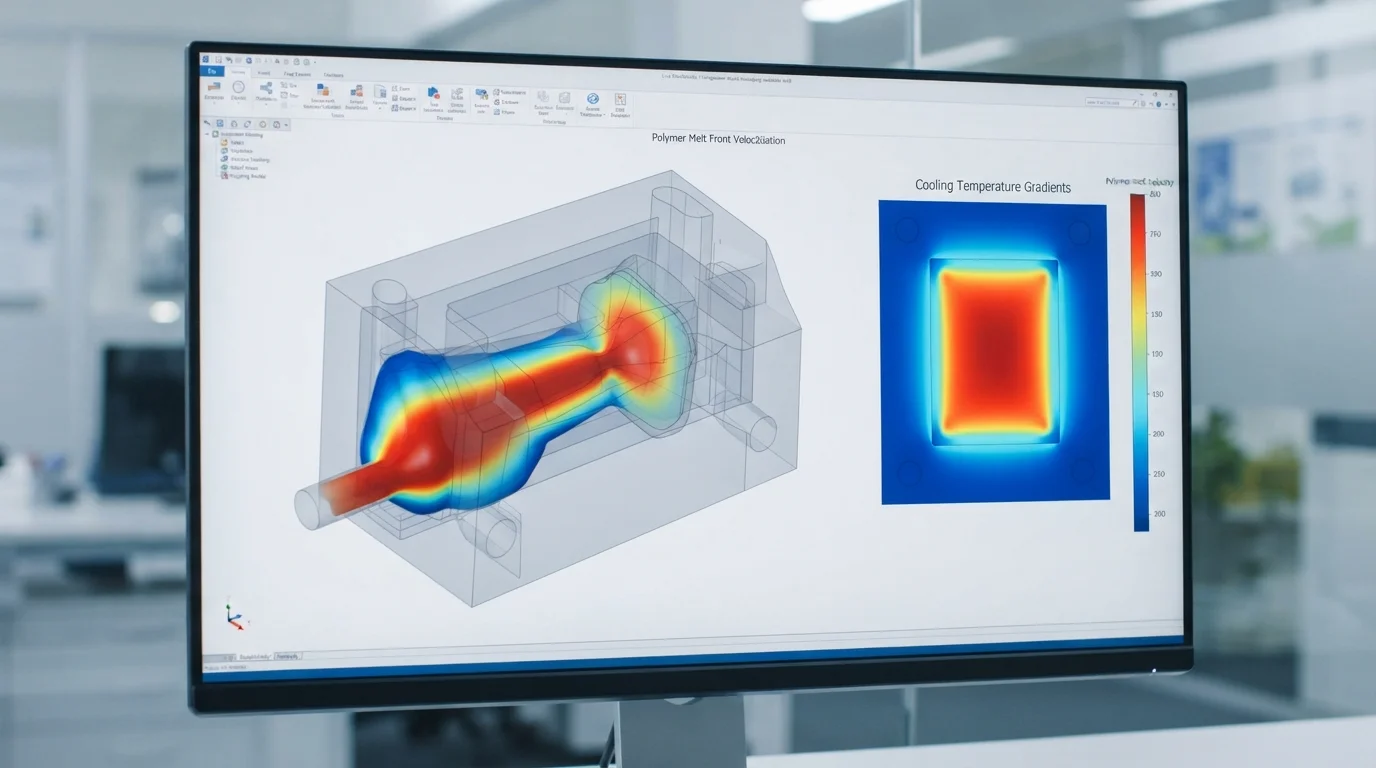
Le découpage précis de géométries CAO complexes en tranches permet aux outilleurs expérimentés d'analyser les lignes de joint, les angles de dépouille et les épaisseurs de paroi à l'aide d'un logiciel avancé de simulation de flux de moulage. La sélection de méthodes de fabrication temporaires appropriées équilibre les propriétés des matières premières avec des délais d'exécution rapides lors des tests à un stade précoce. L'approvisionnement de vos composants auprès d'un partenaire expérimenté garantit que les modifications de conception sont propagées à toutes les étapes en toute sécurité.
Explorons les économies de moule à cavité unique, les options de cadre modulaire et les moyens pratiques d'optimiser votre budget de développement à un stade précoce.
Table des matières
1. Validation des résines de génie mécanique dans les moules de prototypage
2. Économie de l'outillage à cavité unique par rapport à l'outillage à cavités multiples
3. Utilisation de bases MUD pour réduire les dépenses d'investissement en outillage de prototypage
Validation des résines de génie mécanique dans les moules de prototypage
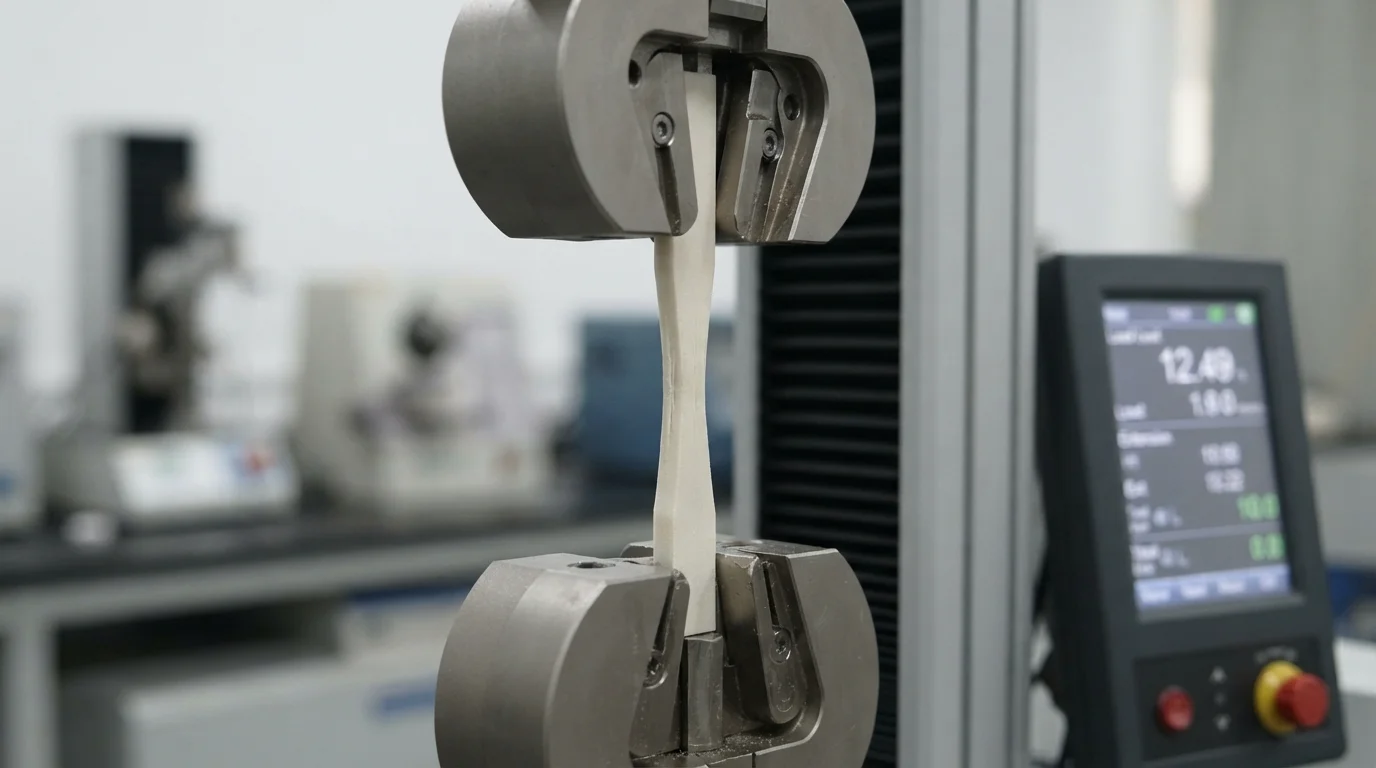
Question : Pourquoi les moules d'injection de prototypage sont-ils nécessaires pour la validation technique ? Les photopolymères imprimés en 3D ne peuvent pas reproduire la résistance à la traction isotrope, la ténacité aux chocs et la résistance à la chaleur des thermoplastiques moulés authentiques.
L'approvisionnement de pièces fonctionnelles moulées à partir de véritables plastiques techniques comme ABS, Nylon (PA), ou Polycarbonate (PC) fournit un comportement matériel authentique sous charge dynamique. L'approvisionnement de pièces fonctionnelles auprès d'un professionnel Service de prototypage est idéal pour les études de forme préliminaires, mais ces fichiers CAO violent souvent la physique du moulage par injection en production de masse. Les conceptions de composants symétriques simplifient les gabarits de maintien, réduisant considérablement les heures de travail de configuration initiale. La normalisation des jeux non critiques permet aux broches de fraisage à grande vitesse de dégager rapidement la matière première, maximisant ainsi l'efficacité de coupe.
L'approvisionnement de moules souples à cavité unique réduit votre coût de base de prototypage par injection tout en fournissant des échantillons physiques représentatifs de la production à 100 %. Le découpage précis des fichiers CAO permet aux outilleurs expérimentés d'analyser manuellement les fermetures de ligne de joint. L'approvisionnement de ces moules souples permet aux développeurs de produits de valider les propriétés réelles des matériaux de production avant de s'engager dans l'acier trempé. L'approvisionnement en métaux de billette de haute qualité protège votre budget de développement des majorations de prix des matériaux.
- Résistance isotrope authentique—Les thermoplastiques moulés par injection offrent une limite d'élasticité physique uniforme sur tous les axes de coordonnées
- Vérification précise du retrait—Le moulage de résines réelles permet aux ingénieurs de mesurer les taux de contraction réels des pièces après éjection
- Test de résistance thermique—Les thermoplastiques de production survivent aux tests de cuisson à haute température sans se déformer ni fondre
Économie de l'outillage à cavité unique par rapport à l'outillage multi-cavités
Question : Combien d'argent un moule prototype à cavité unique permet-il d'économiser ? Les moules prototypes à cavité unique réduisent les dépenses initiales d'outillage de 60 % à 80 % par rapport aux outils de production multi-cavités.
Choisir des configurations de moule à cavité unique représente la stratégie DFM la plus efficace pour maintenir les dépenses d'outillage de prototype initiales à un niveau bas. L'usinage CNC d'un noyau et d'une cavité unique nécessite beaucoup moins d'heures de broche que la découpe de quatre ou huit cavités identiques. L'approvisionnement en inserts de noyau dédiés Service d'outillage rapide en utilisant Aluminium ou de l'acier d'outillage doux P20 Acier à outils fournit de véritables composants moulés par injection à partir de résines de qualité production en quelques semaines. Les cavités métalliques souples dissipent la chaleur rapidement, raccourcissant les cycles de refroidissement et augmentant les vitesses de production.
Le calcul de votre coût global coût d'outillage rapide total nécessite d'évaluer comment le CapEx initial se répartit sur votre taille de lot cible. L'approvisionnement en pièces fonctionnelles Service d'usinage CNC Les pièces ou les moules en aluminium pour petites séries permettent aux startups de matériel de valider la demande de vente avant de s'engager dans des outils en acier à grand volume. Ce tableau comparatif technique met en évidence les différences de coût et de performance de base entre les configurations de cavités de moule :
| Configuration du moule | CapEx initial d'outillage | Heures de machine CNC | Utilisation principale en ingénierie |
|---|---|---|---|
| Aluminium à cavité unique | Faible (1 500 $ – 3 500 $) | Minimum (1 à 2 jours de fraisage) | Validation de conception NPI, tests fonctionnels |
| Acier de production multi-empreintes | Élevé ($20 000 – $80 000+) | Extrême (2 à 4 semaines d'usinage) | Production en série de masse, volume extrême |
La transition vers un système automatisé Service de moulage par injection nécessite une refonte complète des géométries brutes de prototypes CAO pour tenir compte de la physique du démoulage. S'approvisionner auprès d'un partenaire disposant de capacités internes étendues garantit des conseils honnêtes et économiques pour votre programme matériel spécifique. Le découpage précis des fichiers CAO permet à des outilleurs expérimentés d'analyser les lignes de joint, les dépouilles et les épaisseurs de paroi à l'aide d'un logiciel avancé de simulation de flux de moulage.
L'épissage précis des fichiers CAO bruts permet à des outilleurs expérimentés d'analyser manuellement les fermetures de lignes de joint. Des revues de conception pour la fabricabilité (DFM) précoces simplifient la disposition des lignes de joint, éliminant le besoin de coulisseaux mécaniques coûteux dans les moules rapides. Une validation précoce évite des modifications d'ingénierie coûteuses lors de la montée en cadence vers le moulage par injection à grand volume.
Utilisation de bases MUD pour réduire les dépenses d'investissement en outillage de prototypage
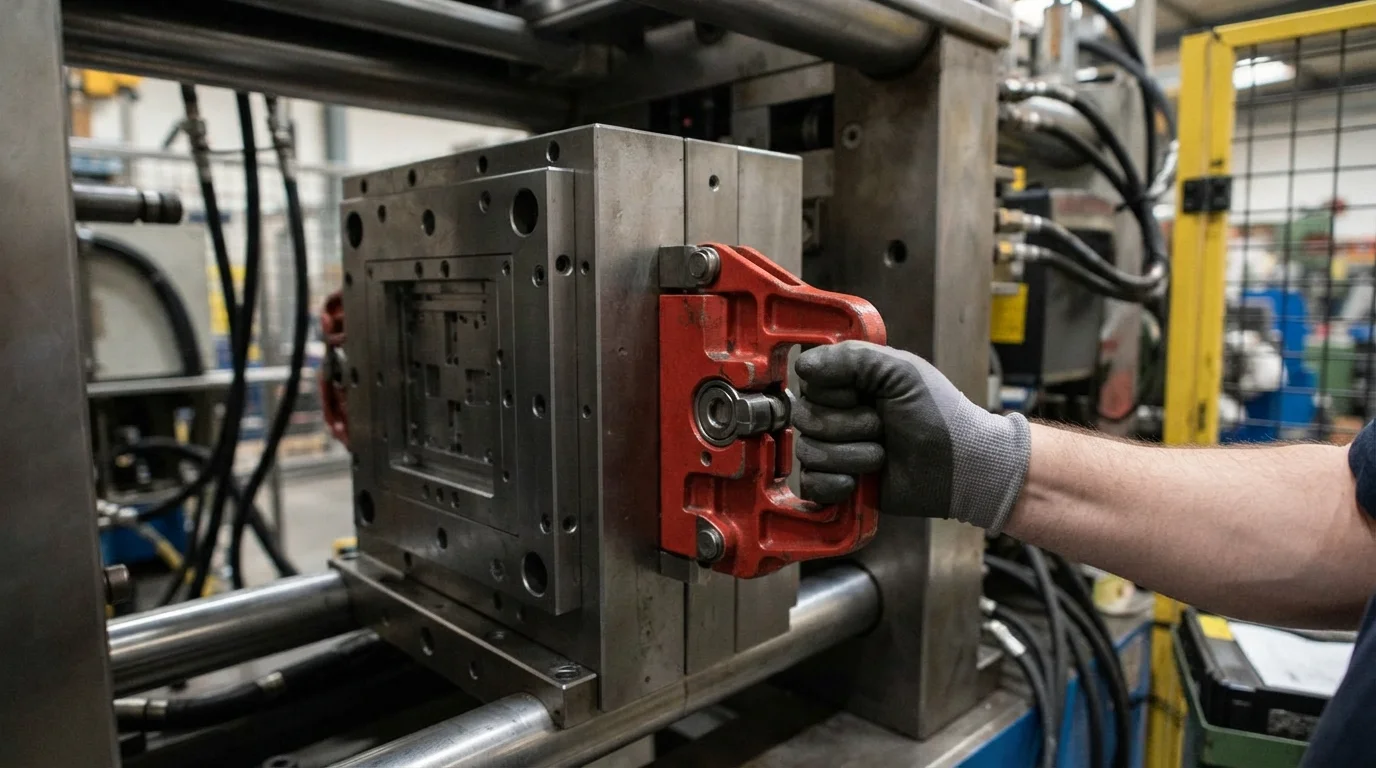
Question : Comment les cadres MUD réduisent-ils les coûts des moules d'injection de prototypes ? Les cadres Master Unit Die (MUD) réutilisent des bases de moules maîtresses universelles, permettant aux outilleurs d'usiner uniquement les inserts de noyau compagnons internes.
Optimiser votre coût du prototype de moulage par injection est obtenu en utilisant des cadres de moules modulaires standard (MUD) pour loger des inserts de noyau personnalisés. L'utilisation de cadres MUD standard évite l'usinage de bases de moules personnalisées, réduisant les coûts d'outillage jusqu'à 50 pour cent. S'approvisionner auprès de ces options modulaires garantit que votre budget de développement reste hautement contrôlé lors de la mise à l'échelle initiale. Les composants personnalisés subissent des contrôles de métrologie par coordonnées rigoureux pour confirmer la conformité dimensionnelle exacte.
- Réutilisation des cadres de moules maîtres—Les bases MUD universelles restent serrées dans la presse, éliminant l'usinage de cadres personnalisés
- Usinage des inserts compagnons uniquement—Les outilleurs coupent uniquement les petites plaques de noyau en aluminium AL7075, économisant 60% sur le métal brut
- Changements rapides de presse—Les opérateurs échangent les matrices d'insertion compagnon en 15 minutes sans démonter le châssis
Foire aux questions (FAQ)
Combien coûte un moule d'injection prototype à cavité unique ?
Les moules prototypes en aluminium à cavité unique coûtent généralement entre $1 500 et $3 500 selon la géométrie de la pièce et les exigences de texture de surface. L'utilisation de châssis de moule MUD standard réduit considérablement ces dépenses d'outillage initiales.
Comment une revue DFM de pré-outillage peut-elle réduire les dépenses de moulage de prototypes ?
La recherche précoce de sources analyses DFM gratuites 24h/24 représente le moyen le plus efficace de réduire le coût global de vos prototypes de moulage par injection. Les ingénieurs d'usine analysent les angles de dépouille, l'uniformité des parois et les emplacements de points d'injection pour éliminer les coulisseaux de moule coûteux avant de couper le métal.
Pourquoi l'outillage et le moulage sous un même toit sont-ils essentiels pour le NPI matériel ?
Jucheng Precision dispose d'une installation de fabrication entièrement équipée comprenant à la fois des centres d'usinage multi-axes et des presses de moulage par injection de précision. Sourcer vos prototypes auprès d'une installation certifiée sous un même toit garantit des transitions fluides des modèles de concept initiaux à la production en série de masse.

