


Catching geometric design flaws during the digital CAD phase represents the single most effective strategy for preventing expensive tooling reworks and production delays. Sourcing early technical reviews allows engineering teams to identify un-drafted vertical walls, thick wall sections, and sharp internal corners before cutting raw metal. Implementing rigorous dfm for rapid tooling sweeps ensures that early-stage 3D models translate cleanly into physical core cavities without requiring post-mold modifications. Sourcing these low-volume parts preserves crucial development cash flow, avoiding the massive capital expenditure associated with traditional hard steel molds.

Slicing complex three-dimensional CAD geometries precisely allows experienced toolmakers to analyze parting lines, draft angles, and wall thicknesses using advanced mold flow simulation software. Selecting appropriate temporary manufacturing methods balances raw material properties with fast turnaround times during early-stage testing. Sourcing your components from an experienced partner ensures design changes are propagated across all stages safely. Let me guide you through key DFM principles that prevent cosmetic sink marks, parting line flash, and premature mold wear.
Table des matières
1. Why Design for Manufacturability Matters in Early Tooling Phases
2. Common DFM Failures: Sharp Corners, Uneven Walls, and Low Draft
3. Executing Digital Moldflow Reviews and Instant CAD Feedback
Why Design for Manufacturability Matters in Early Tooling Phases
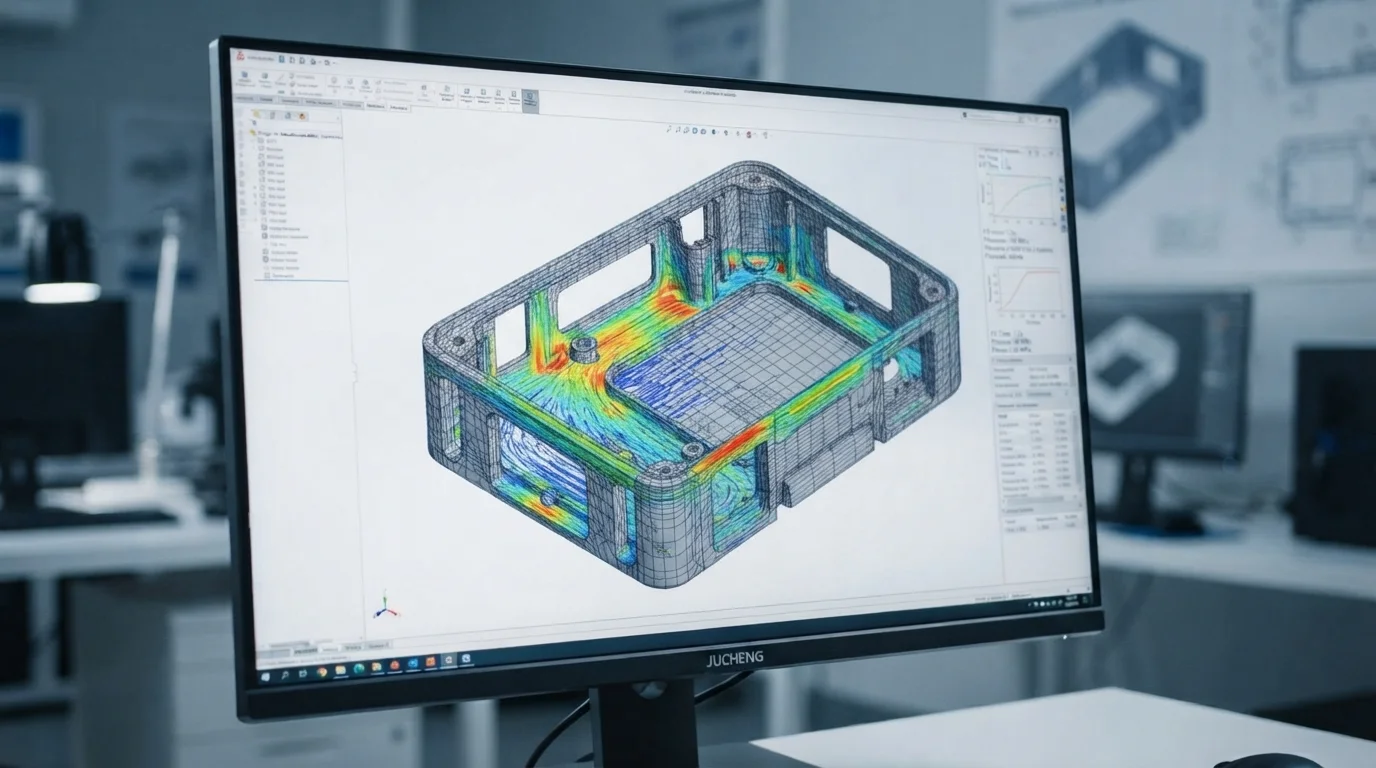
Question: Why is DFM critical during short-run prototyping? Fixing a CAD flaw during digital modeling costs zero dollars, whereas modifying core metal after CNC milling adds thousands in rework fees.
L'approvisionnement d'un dédié Service d'outillage rapide using aluminum or soft steel cores delivers genuine injection-molded components from production-grade resins within weeks. Adhering to strict directives de conception pour l'outillage rapide ensures that soft metal cavities withstand high injection pressures without experiencing early gate wear. Moldmakers run diagnostic DFM checks to evaluate fill times, clamping force limits, and cooling rates before programming G-code cutting toolpaths. Early DFM optimization clears a direct pathway toward smooth low-volume production runs.
Evaluating part geometries through dfm for rapid tooling protocols reveals subtle features that increase mold fabrication complexity unnecessarily. Features like deep, narrow pockets or complex side holes demand specialized micro-cutters or mechanical sliders that inflate initial mold CapEx. Redesigning these complex features into simple pass-through shut-offs allows mold halves to split cleanly along a single axis. Simplifying core geometries lowers initial toolmaking expenditures while accelerating delivery schedules.
Common DFM Failures: Sharp Corners, Uneven Walls, and Low Draft
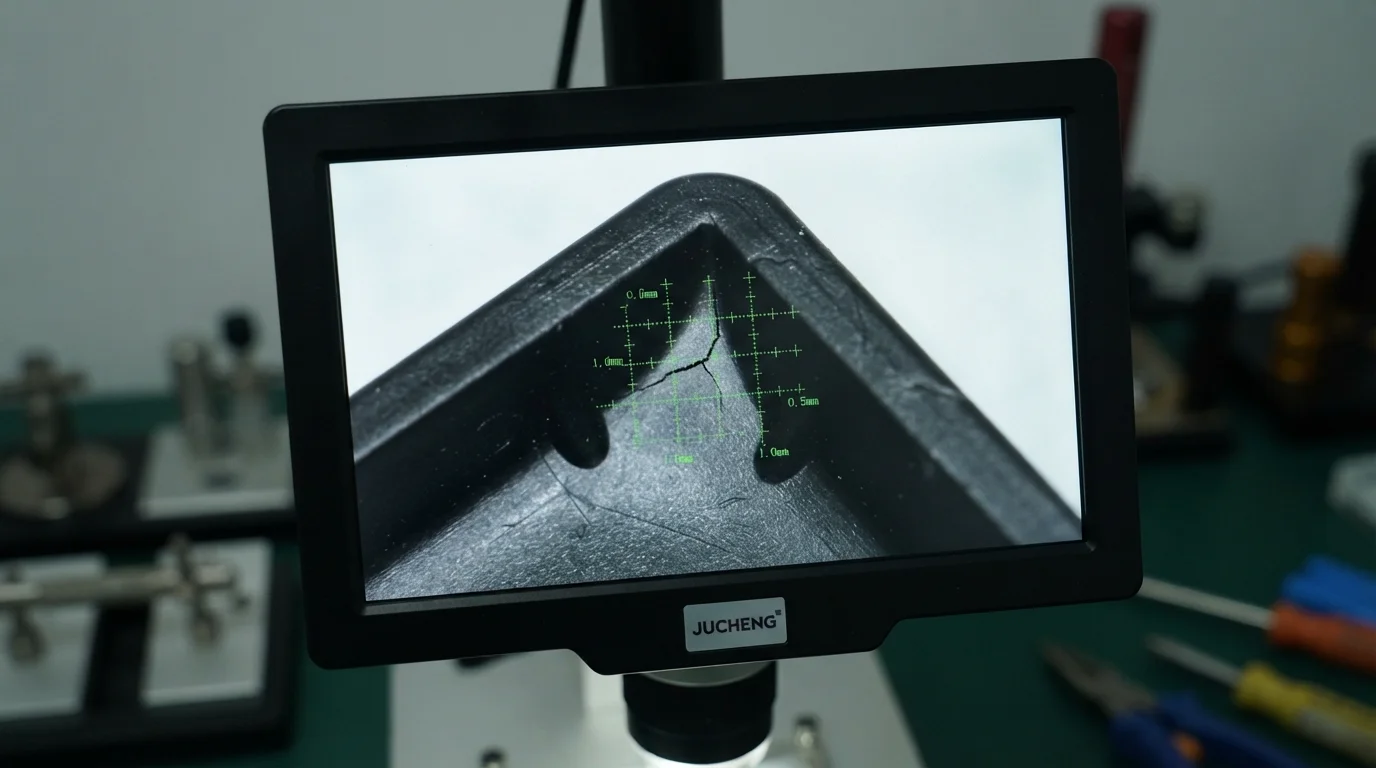
Question: What are the three most common DFM errors in plastic part design? Sharp internal corners, non-uniform wall thicknesses, and inadequate vertical wall draft angles represent the top causes of part defects.
Maintaining uniform wall thickness represents the golden rule of plastic engineering, preventing uneven cooling rates that cause post-mold warpage. Thick plastic bosses or solid ribs cool slower than adjacent thin walls, creating internal vacuum stresses that pull exterior skin inward. Incorporating reinforcing ribs with a thickness of 60 percent of the main wall provides structural stiffness without causing visible sink marks. Sourcing early dimensional validation ensures interlocking features align perfectly under physical dynamic loads.
Sharp internal corners concentrate mechanical bending stress, causing micro-cracking and part failure at feature roots under dynamic load. Adding generous fillet radii at all internal wall junctions distributes mechanical stress evenly while simplifying subtractive Service d'usinage CNC toolpaths. Incorporating vertical draft angles of at least 1.5 to 2.0 degrees on soft aluminum mold walls prevents plastic scuffing during ejection. Sourcing functional parts molded from solid engineering plastics like ABS, Nylon (PA), ou Polycarbonate (PC) provides authentic material behavior before cutting hard mold blocks.
Executing Digital Moldflow Reviews and Instant CAD Feedback
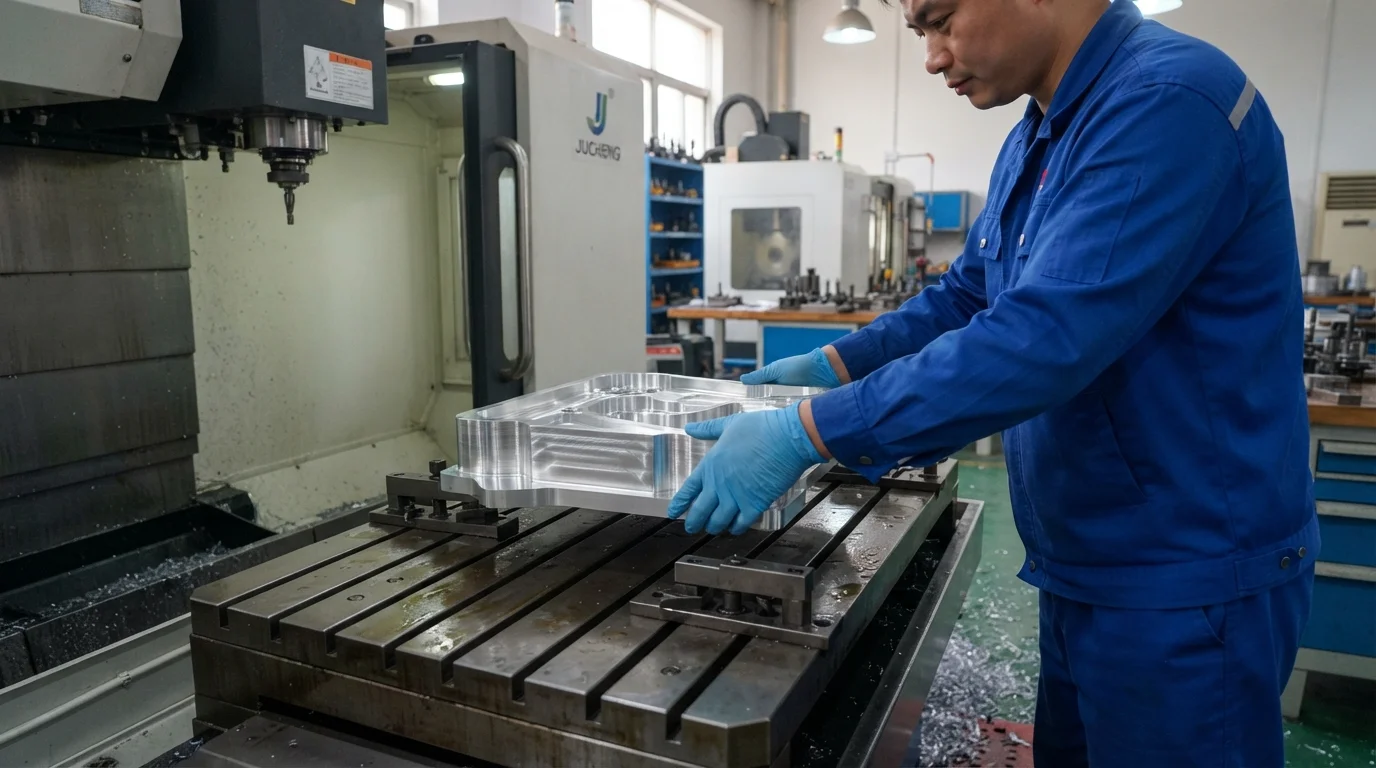
Question: What does a professional DFM review analyze? Automated Moldflow software evaluates gate positions, filling pressures, weld line formations, and cooling uniformity across all part features.
Executing thorough dfm for rapid tooling reviews before cutting metal ensures your 3D CAD models are optimized for actual molding press physics. Digital Moldflow simulation programs trace liquid polymer front velocities, predicting exact locations where air traps or knit lines might occur. Tooling specialists adjust gate sizes and runner channels based on these simulation maps, ensuring complete cavity packing without cosmetic splay. Sourcing early DFM feedback eliminates trial-and-error iterations on the press floor.
Jucheng Precision soutient les startups en mécatronique en fournissant des analyses DFM gratuites 24h/24 revues complètes qui analysent les angles de dépouille, l'uniformité des parois, les emplacements des points d'injection et les facteurs de retrait. L'approvisionnement en Service de prototypage parts or soft-alloy molds allows engineering groups to validate designs before committing to P20 Acier à outils core blocks. Having thirty-five high-precision molding presses under certified quality management systems ensures your parts meet exact international specifications.
S'associer à un spécialiste certifié Service de moulage par injection specialist ensures your finished hardware matches the premium software experience. Sourcing your quotes manually ensures experienced engineers analyze your 3D STEP files to find additional ways of saving money on low-volume molding. Custom components undergo rigorous coordinate metrology checks to confirm exact dimensional compliance. Sourcing high-quality prototypes ensures your designs are built to withstand severe dynamic forces safely.
Foire aux questions (FAQ)
How much money does a pre-tooling DFM review save?
Catching a design error on a digital CAD model costs nothing to fix before toolmaking begins. Modifying core metal after CNC milling requires expensive re-machining or welding, adding thousands in unexpected tooling charges.
What key metrics are tested in a digital Moldflow simulation?
Moldflow software simulates raw resin injection under high clamping pressures, mapping polymer fill fronts and temperature gradients. Simulation reports highlight potential short shots, air traps, and sink marks so engineers can adjust wall thicknesses early.
Why do sharp internal corners cause plastic part cracking?
Sharp internal corners concentrate mechanical stress, making parts prone to cracking under low dynamic impact loads. Adding internal fillet radii distributes stress evenly while simplifying CNC cutter paths during mold machining.

