


Précision cnc automotive Machining: 5-Axis Solutions for Critical Components
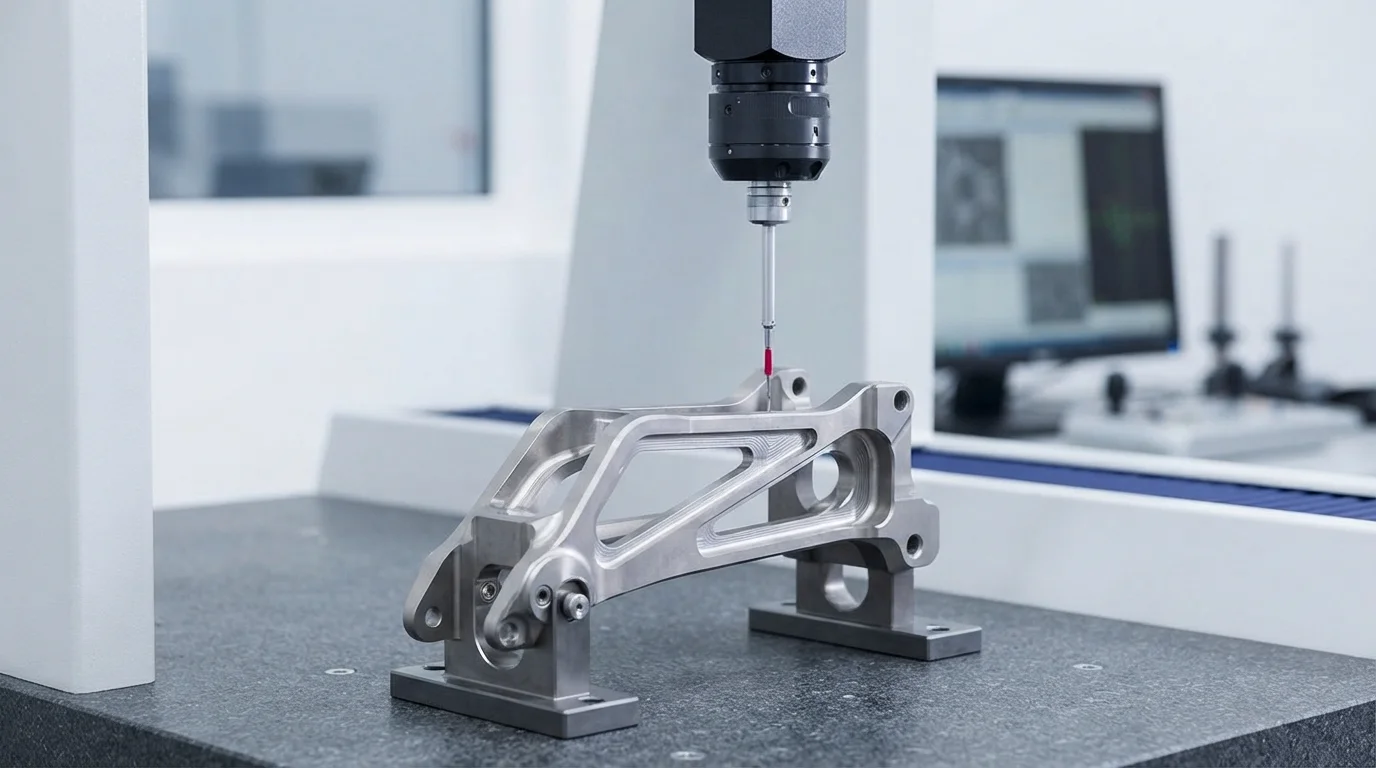
Modern vehicle engineering demands exceptional structural integrity, lightweight performance, and sub-micron dimensional precision to satisfy rigorous safety regulations. When automotive tier-one suppliers develop high-stress powertrain assemblies or agile suspension frameworks, executing flawless cnc automotive machining operations becomes mandatory. Without multi-axis milling technology, carving complex undercuts and asymmetric freeform geometries out of raw metal blocks remains virtually impossible.
Utilizing an experienced rapid prototyping partner ensures that critical load-bearing parts transition smoothly from digital 3D models into robust physical hardware. Let us explore the engineering mechanics and advanced multi-axis setups that drive vehicle innovation.
Module 1 – Definition and Working Principles of Multi-Axis Milling
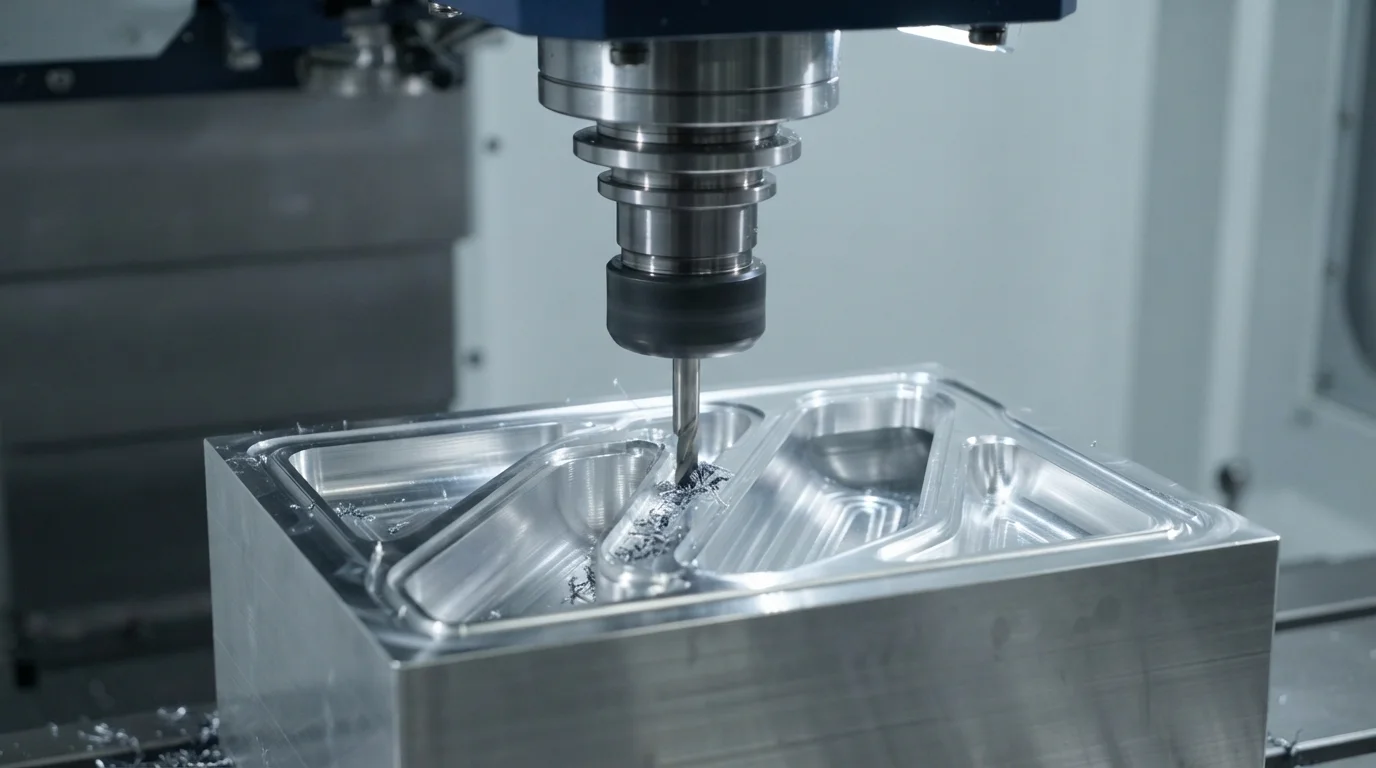
Multi-axis precision milling is an advanced subtractive manufacturing method where cutting tools navigate across five simultaneous spatial directions to shape high-strength metallic blanks. The working principle relies on translating complex computer-aided design (CAD) coordinates into dynamic G-code toolpaths. This enables the spindle and workpiece to articulate fluidly, machining intricate undercuts and deep pockets in a single continuous setup.
To execute structured high-speed milling workflows on structural alloy blocks, technicians could follow these practical steps:
- Topological Simulation: Compute multi-axis tool trajectories via CAM software to eliminate collision risks during deep pocket clearing.
- Rigid Workholding: Secure high-strength alloy blanks using custom hydraulic or vacuum fixtures to prevent vibrational chatter under heavy spindle loads.
- High-Pressure Cooling: Flood active cutting zones with synthetic coolant streams to evacuate metallic swarf and control thermal expansion.
Module 2 – Scénarios d'application principaux
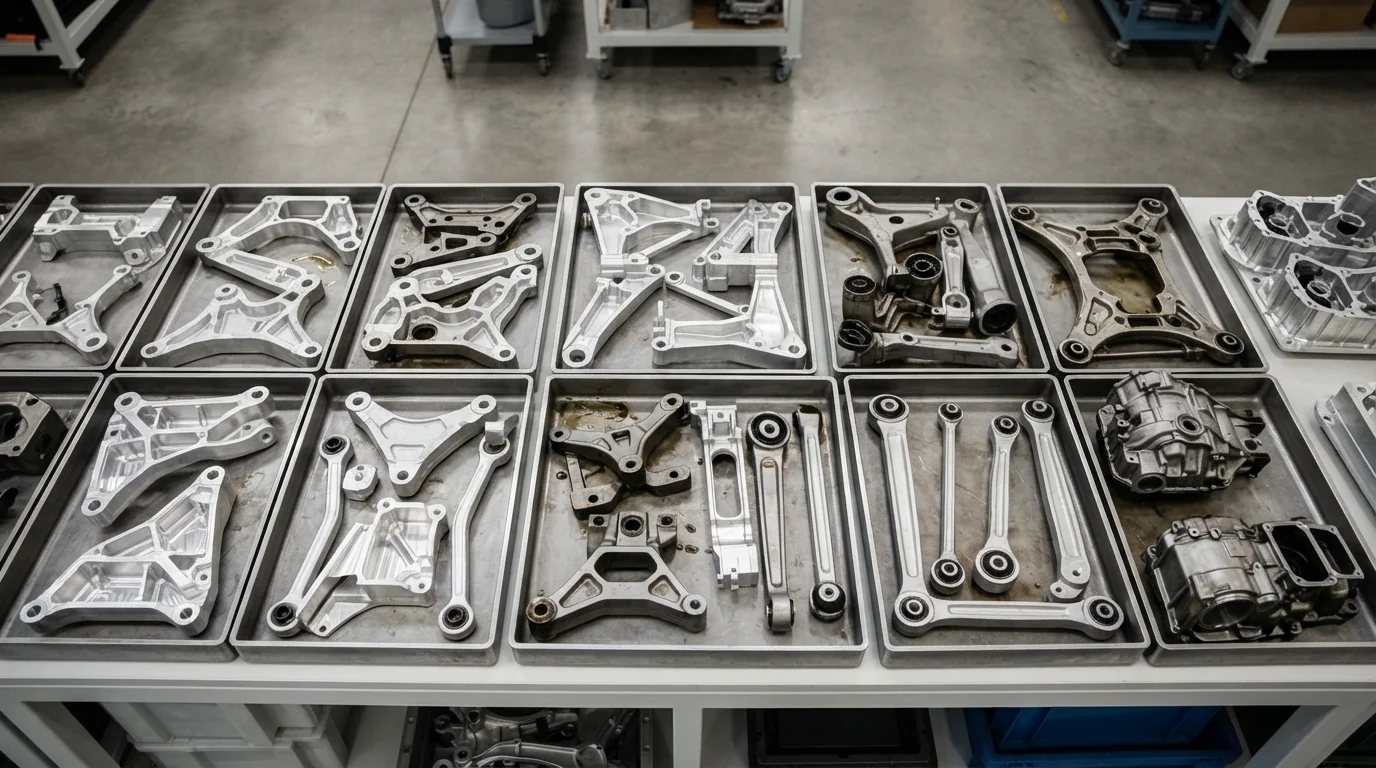
Advanced precision cutting is vital across critical vehicle systems where structural failure is never an option. When Tier-1 suppliers construct prototype vehicles, deploying specialized cnc automotive machining workflows ensures that suspension arms, transmission housings, and aerodynamic brackets meet extreme mechanical loading thresholds. Feedback from professional engineering groups on Reddit and Facebook indicates that 5-axis milling is the only viable path for complex automotive contouring.
Les principaux secteurs d'application comprennent :
- Chassis & Suspension: Machining heavy steering knuckles and suspension control arms from solid forged aluminum blocks.
- Powertrain & Engine: Fabricating robust transmission mounting brackets and high-temperature engine casings.
- Automotive Lighting: Sculpting optical-grade PMMA headlamp lenses and internal reflector mounting frames.
Module 3 – Facteurs clés de sélection pour la réussite du projet
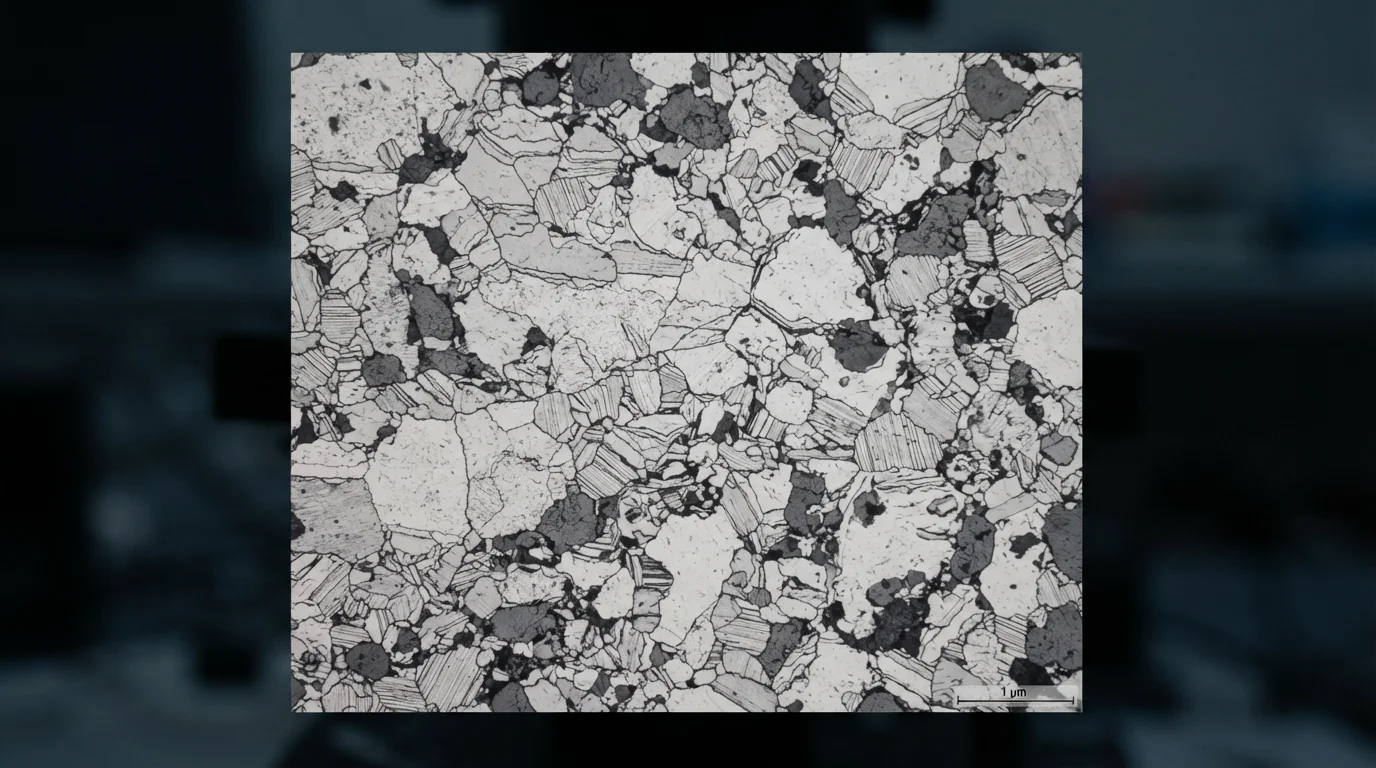
When specifying metal components for vehicle testing, engineering teams must evaluate raw alloy strength, geometric tolerance classes, and metrology verification standards. Evaluating these core parameters ensures your parts survive brutal road trials.
| Automotive Alloy | Propriété mécanique clé | Primary Vehicle Application |
|---|---|---|
| AL6061 / AL7075-T6 | High strength-to-weight ratio, excellent machinability | Suspension arms, chassis frames, structural brackets |
| Grade 5 Titanium | Extreme corrosion defense and fatigue resistance | Exhaust system mounts, high-stress fasteners |
| PEEK High-Temp Plastic | Outstanding thermal stability and wear defense | Under-the-hood bushings, specialized gear components |
Module 4 – Conseils d'installation et d'entretien
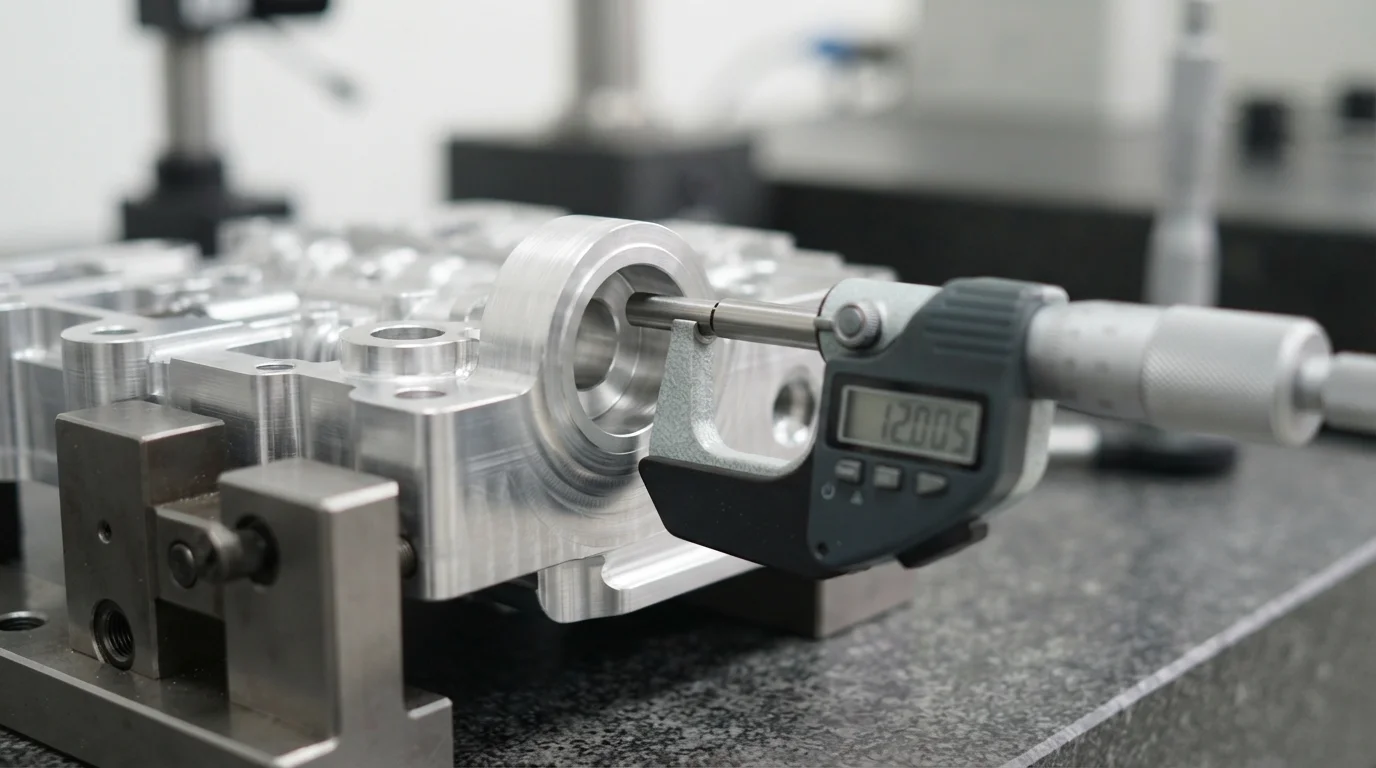
Proper shop-floor handling and routine metrology auditing safeguard precision metal parts across active vehicle prototype assembly stages. Protecting machined datums from assembly shock ensures long-term operational alignment.
Conseils clés d'installation et d'entretien :
- Datum Protection: Handle finished metal brackets using padded lifting straps to protect primary alignment datums from scratching.
- Thread Inspection: Verify internal tapped holes with calibrated thread gauges prior to final mechanical bolt torquing.
- Corrosion Inhibitors: Apply protective anti-oxidation oils onto bare aluminum or steel surfaces during extended storage periods.
Module 5 – Foire aux questions (FAQ)
1. What tolerances can Jucheng achieve for CNC automotive parts?
Typically, linear tolerances can reach plus-or-minus 0.005 mm to plus-or-minus 0.01 mm, satisfying the most rigorous automotive assembly requirements.
2. Why is 5-axis milling superior for complex automotive brackets?
5-axis milling allows cutting tools to approach workpieces from any directional angle, machining complex undercuts and deep pockets in a single continuous setup.
3. What automotive alloys are most commonly machined?
AL6061 and AL7075-T6 aluminum are most common due to their exceptional strength-to-weight ratio, alongside high-performance titanium and engineering PEEK.
4. How is quality verified on precision machined vehicle components?
Quality is verified using advanced Zeiss CMM inspection probes that map thousands of geometric coordinates against 3D CAD master files.
5. Can machined automotive parts undergo secondary surface treatments?
Yes, finished metal parts can undergo hard anodizing, chemical conversion coating, or powder coating to enhance corrosion resistance.
6. How does Jucheng Precision support automotive NPI programs?
Jucheng Precision provides 24-hour free DFM reviews, IATF 16949 certified quality management, and high-speed multi-axis milling to accelerate vehicle development.
Module 6 – Pourquoi choisir JUCHENG pour votre projet
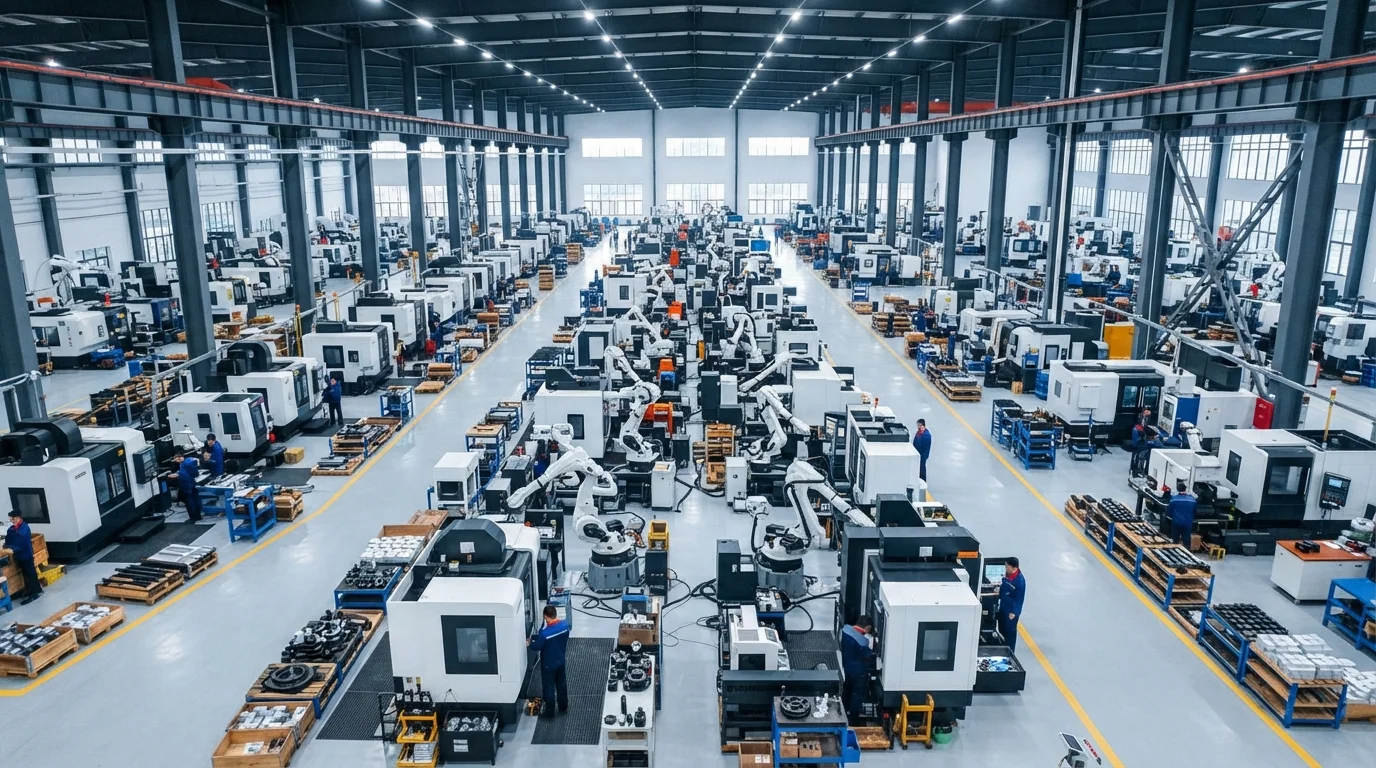
Achieving uncompromising mechanical reliability requires an experienced manufacturing partner. JUCHENG supports hardware innovators by delivering comprehensive analyses DFM gratuites 24h/24 reviews that analyze tool paths, wall distributions, and datums prior to production. Founded in Shenzhen in 2012 with an 8,000-square-meter facility in Dongguan, our factory houses 150+ advanced machines, including 25+ high-performance 5-axis Haas and Mazak milling centers.
Backed by ISO 9001, ISO 14001, ISO 13485, and IATF 16949 certifications, our engineering teams ensure that executing high-performance cnc automotive components achieves micron-level precision and absolute batch consistency.
Ready to Manufacture Your Critical Automotive Components?
Upload your 3D models today to receive instant feedback, competitive pricing, and professional DFM analysis from our seasoned engineering experts. Let JUCHENG bring your complex designs to life with unmatched speed and reliability!

