


3D Printer Automobile Applications: Metal and Nylon Solutions
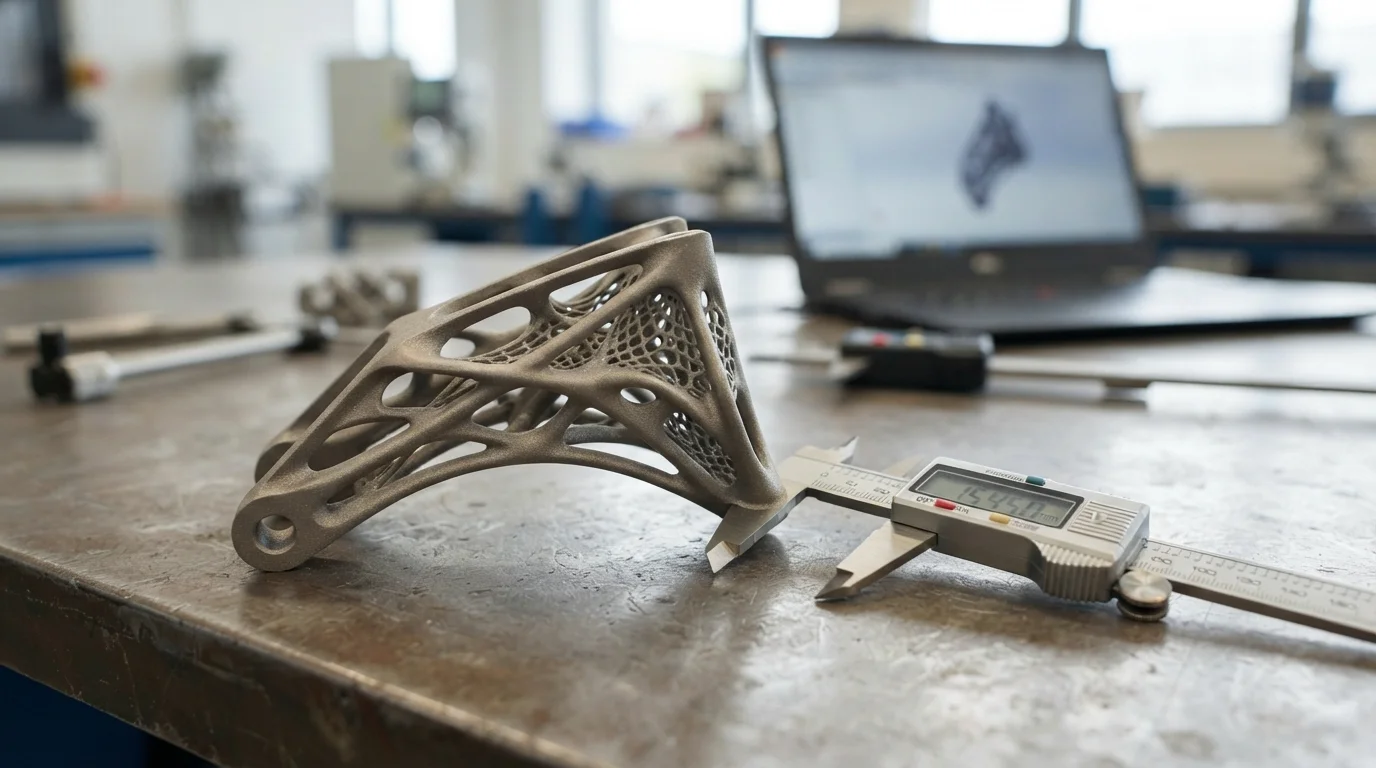
Optimizing vehicle weight profiles while pushing the limits of complex internal geometry requires manufacturing technologies that defy traditional mold constraints. When advanced engineering teams develop topology-optimized structural brackets and conceptual styling models, utilizing an industrial 3d printer automobile fabrication workflow becomes a critical competitive edge. Without selective laser melting or powder bed fusion, fabricating internal cooling channels and lattice structures inside vehicle components remains physically impossible.
Utilizing an experienced prototyping partner ensures that advanced additive parts transition smoothly from digital CAD environments into physical wind-tunnel and thermal trials. Let us examine the material deposition mechanics and powder sintering protocols that drive modern additive vehicle engineering.
Module 1 – Definition and Working Principles of Additive Manufacturing
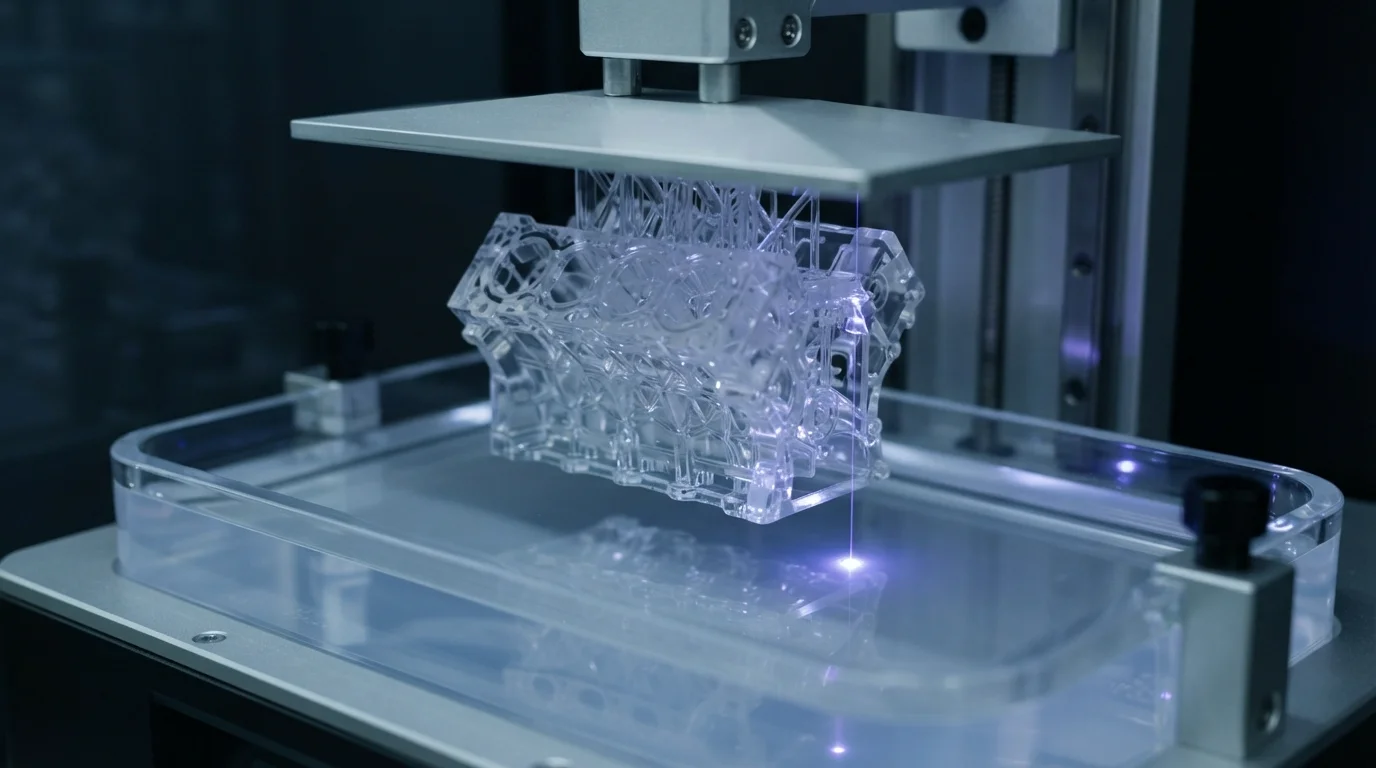
Industrial additive manufacturing is a digital build method that constructs physical three-dimensional objects layer by layer from computerized CAD data, completely bypassing the need for physical cutting tools or custom metal molds. The working principle relies on high-power optical lasers selectively melting metallic powders or curing liquid photopolymers slice by slice. While structural blocks are often shaped via CNC machining, intricate topology-optimized structures rely entirely on efficient 3D printing techniques.
To execute structured additive manufacturing workflows on functional polymer or metal parts, technicians could follow these practical steps:
- Topology Optimization: Redesign digital components to minimize weight using algorithmic internal lattice structures while maintaining structural load ratings.
- Laser Sintering / Curing: Fuses microscopic layers of commercialement pur, inconel, or nylon powder inside an inert heated build chamber.
- Post-Processing Cleanup: Remove support structures carefully via thermal stress-relieving, bead blasting, or chemical vapor smoothing.
Module 2 – Scénarios d'application principaux
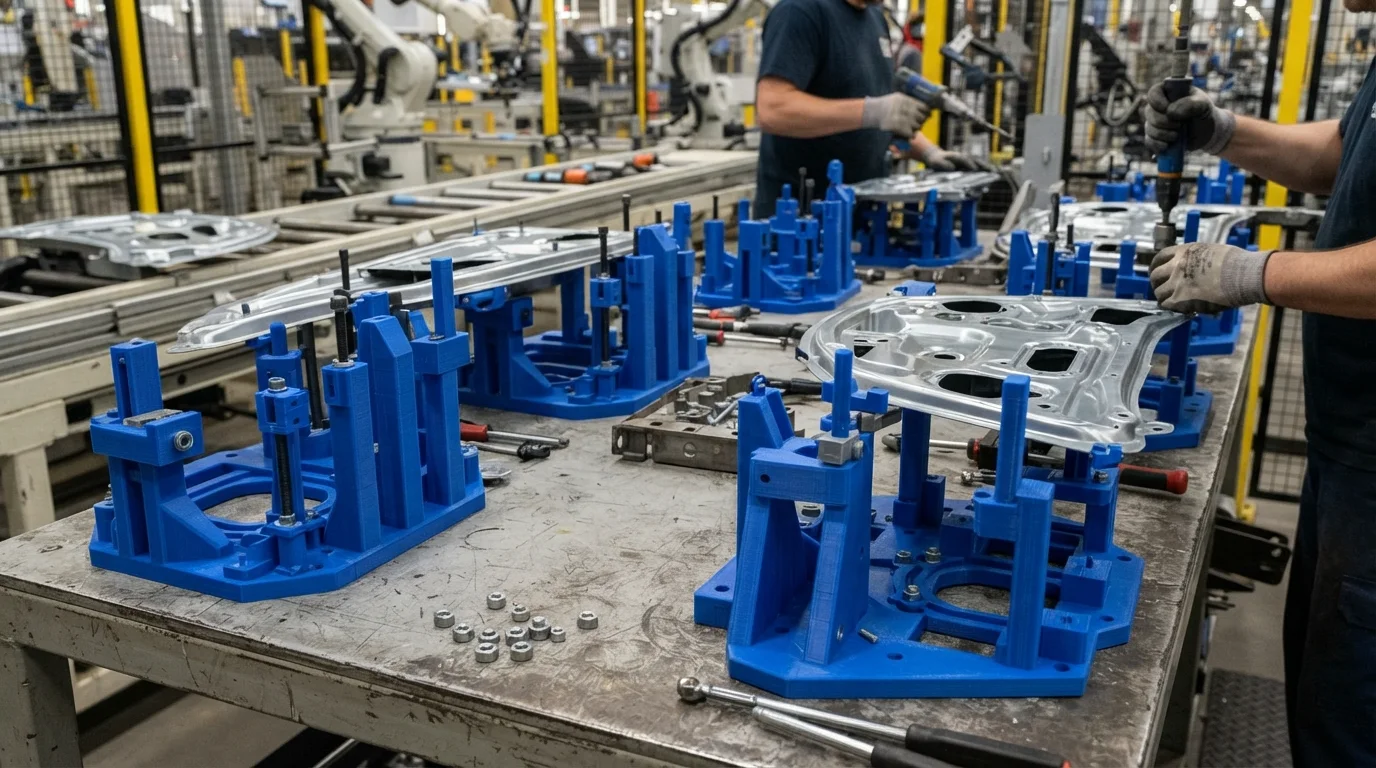
Digital additive fabrication is vital across lightweight structural optimization, conceptual styling verification, and custom assembly tooling where geometric freedom dictates development velocity. When engineering teams build functional racecar components or custom factory fixtures, deploying an industrial 3d printer automobile application solves critical spatial constraints. Feedback from professional prototyping groups on Reddit and Facebook indicates that powder bed fusion is indispensable for rapid tooling jigs.
Les principaux secteurs d'application comprennent :
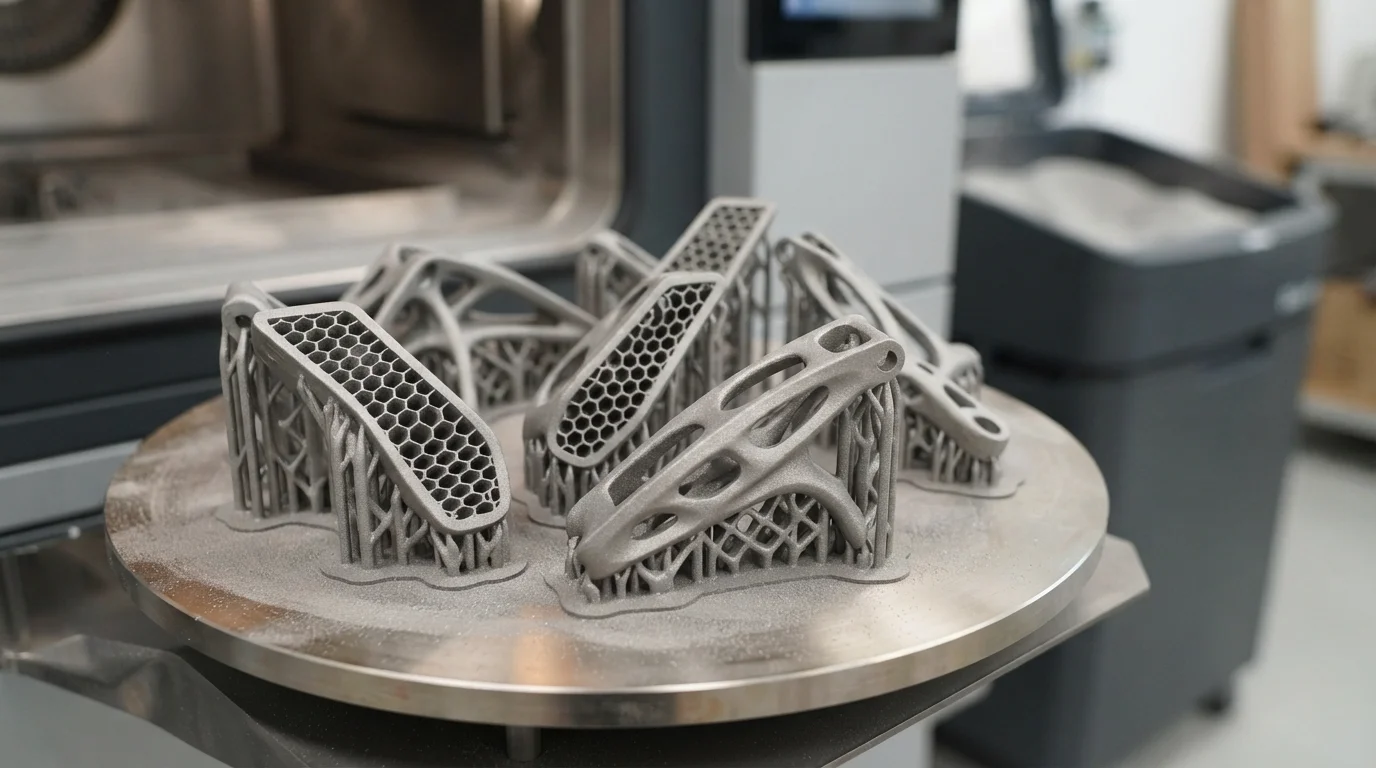
- DMLS Metal Printing: Fabricating lightweight topological suspension brackets, turbo ducts, and exhaust manifolds from titanium and inconel.
- SLS Nylon Printing: Producing durable, functional under-hood air ducts and complex snap-fit housings using engineering-grade nylon (PA12).
- SLA Resin Models: Creating high-detail concept scale models, transparent interior lighting covers, and master patterns for coulée sous vide.
Module 3 – Facteurs clés de sélection pour la réussite du projet
When specifying additive technologies for vehicle prototyping, engineering teams must weigh mechanical strength thresholds against surface resolution and build envelope limits. Evaluating these core parameters ensures your parts achieve true functional performance.
| Additive Technology | Primary Material Used | Primary Automotive Benefit |
|---|---|---|
| DMLS / SLM Metal | Titanium, Inconel, Aluminum powder | High-stress structural brackets, internal cooling channels |
| SLS Polymer Powder | Engineered Nylon (PA12 / PA11) | Tough, functional air ducts and snap-fit housings |
| SLA Photopolymer | Epoxy-based liquid resins | Exceptional surface detail for styling models and lenses |
Module 4 – Conseils d'installation et d'entretien
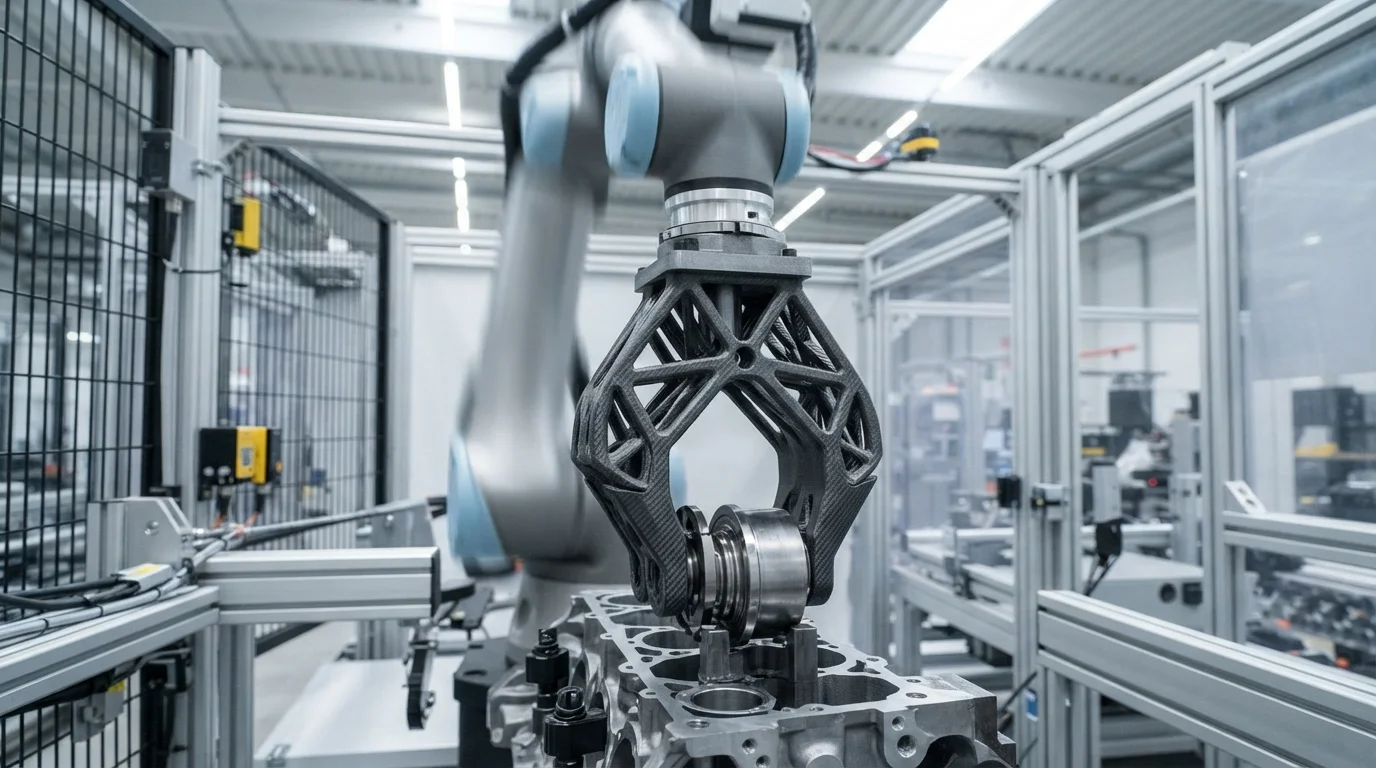
Proper post-build handling and routine equipment maintenance safeguard additive manufacturing precision across active prototyping projects. Protecting laser optical assemblies and print beds ensures long-term operational reliability.
Conseils clés d'installation et d'entretien :
- Powder Sieving Protocols: Sift unused metal or nylon powders through calibrated mesh filters prior to recycling into build hoppers.
- Optical Window Cleaning: Wipe protective laser galvo mirrors regularly with optical-grade solvent tissues to prevent beam scattering.
- Stress Relief Annealing: Heat-treat DMLS metal components prior to support removal to prevent thermal warping.
Module 5 – Foire aux questions (FAQ)
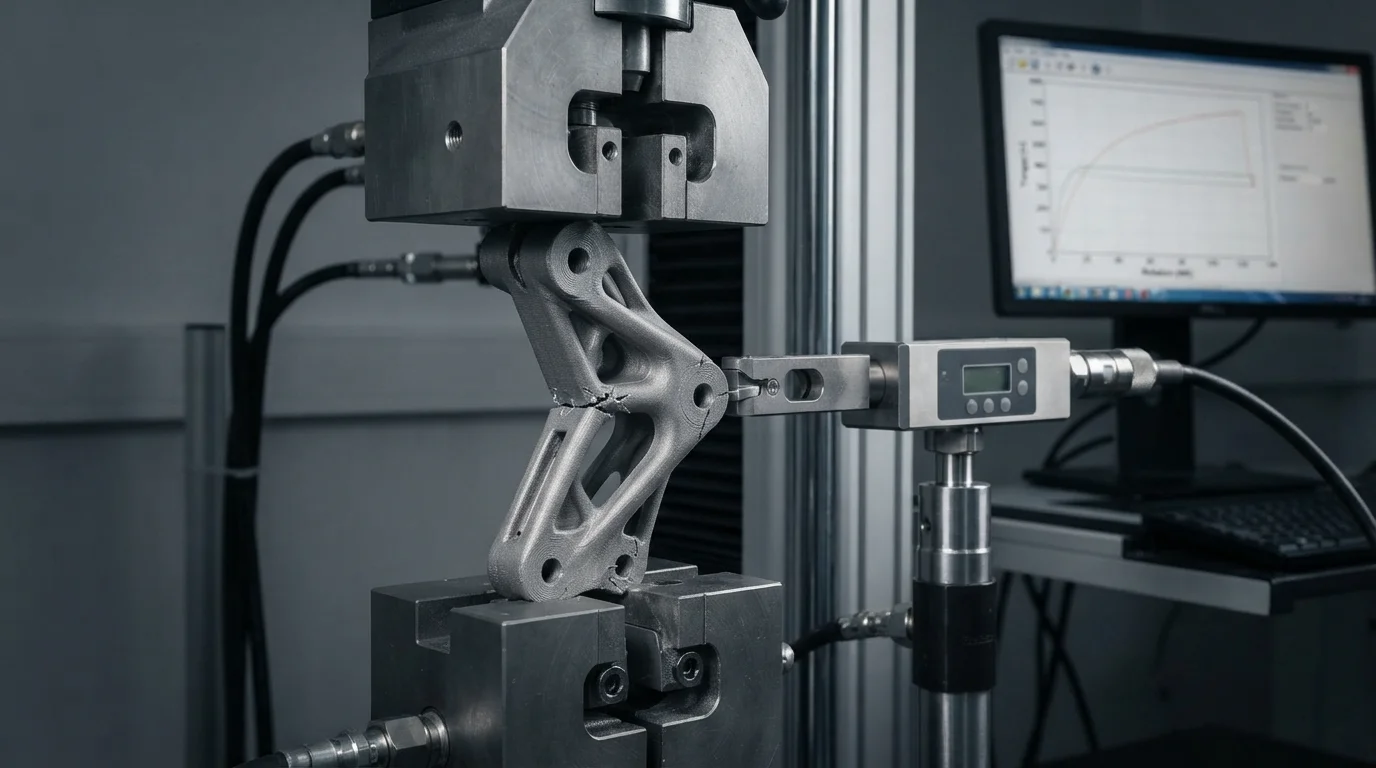
1. What automotive applications are best suited for metal 3D printing?
Metal 3D printing excels in producing topology-optimized titanium brackets, complex internal cooling channels, and low-volume high-stress structural components.
2. How does SLS nylon printing differ from SLA resin printing?
SLS sinters durable nylon powder to create tough, functional snap-fit parts, whereas SLA cures liquid resin with lasers to achieve high-detail cosmetic models.
3. Can 3D printers create custom assembly jigs and fixtures for car factories?
Yes, SLS and FDM printers are heavily utilized to fabricate lightweight ergonomic assembly jigs, welding alignment fixtures, and positioning templates.
4. Do 3D-printed metal parts require post-processing heat treatment?
Yes, DMLS printed metal parts typically undergo stress-relief annealing in a vacuum furnace to relieve internal thermal gradients prior to support removal.
5. What is the typical lead time for functional automotive 3D prints?
Depending on part volume and geometry complexity, functional prototype batches are typically built and shipped within 2 to 5 business days.
6. How does Jucheng Precision support automotive 3D printing programs?
Jucheng Precision provides industrial SLS, SLA, and DMLS additive manufacturing services alongside 24-hour free DFM reviews under strict ISO quality controls.
Module 6 – Pourquoi choisir JUCHENG pour votre projet
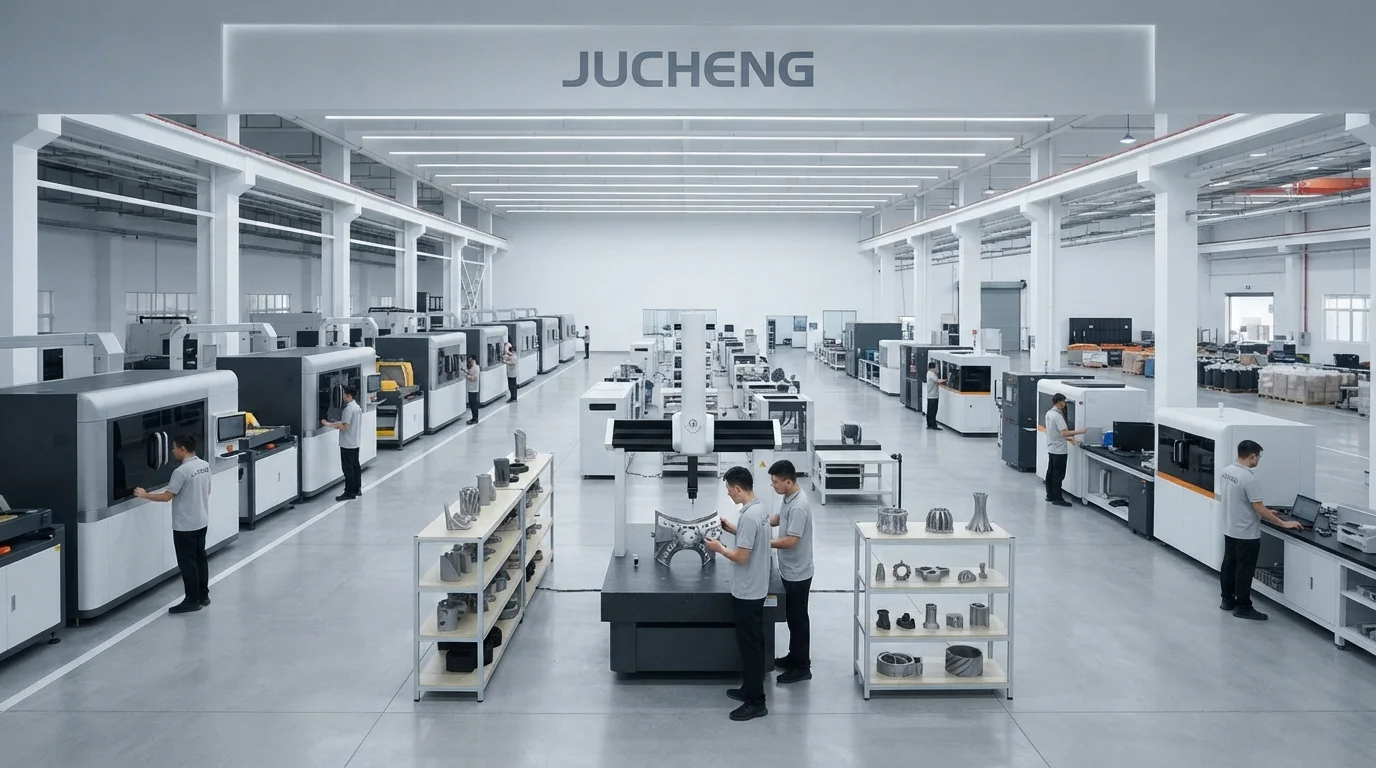
Achieving uncompromising manufacturing innovation requires an experienced production partner. JUCHENG supports hardware innovators by delivering comprehensive analyses DFM gratuites 24h/24 reviews that analyze support structures, wall distributions, and build orientations prior to printing. Founded in Shenzhen in 2012 with an 8,000-square-meter facility in Dongguan, our factory houses 150+ advanced machines, including industrial additive manufacturing rooms and multi-axis milling centers.
Backed by ISO 9001, ISO 14001, ISO 13485, and IATF 16949 certifications, our engineering teams ensure that utilizing an advanced 3d printer automobile workflow achieves structural precision and absolute delivery reliability.
Ready to Accelerate Your Automotive Additive Manufacturing?
Upload your 3D models today to receive instant feedback, competitive pricing, and professional DFM analysis from our seasoned engineering experts. Let JUCHENG bring your complex designs to life with unmatched speed and reliability!

