


Choisir entre le dépôt de couches additif et le fraisage soustractif représente l'une des décisions les plus critiques qui dicte directement votre budget de développement en phase précoce. Explorer les compromis réels du coût du prototypage 3D vs CNC empêche les équipes de développement de produits de payer trop cher pour la fabrication de pièces brutes. Les modèles visuels simples et non fonctionnels s'impriment rapidement pour quelques dollars, mais les assemblages qui doivent survivre à des tests de chute rigoureux ou à des charges thermiques élevées nécessitent la résistance structurelle des blocs usinés. Équilibrer les capacités des procédés par rapport aux coûts des matériaux physiques garantit que votre prototype s'aligne proprement avec les objectifs de validation prévus.
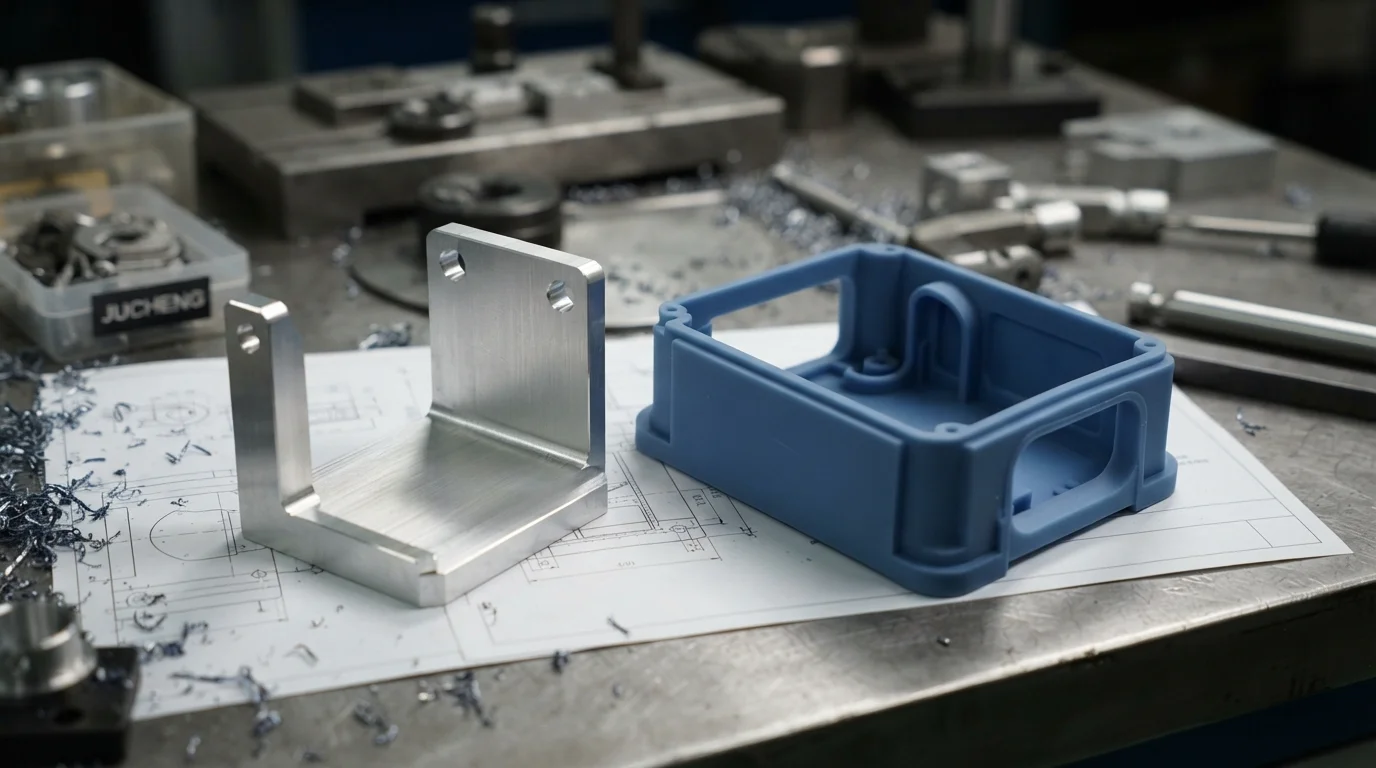
Les heures de configuration initiales, les marges de déchets de matériaux et les complexités des pièces influencent la facture finale bien plus que les algorithmes logiciels standard ne peuvent le prédire. Les ateliers d'usinage calculent les prix en fonction des heures de programmation physiques, des configurations de serrage et des volumes de blocs de métal ou de plastique bruts. Les systèmes additifs, en revanche, facturent principalement en fonction du poids du matériau brut et de la hauteur totale de construction dans la chambre. L'approvisionnement de vos pièces physiques auprès d'une installation qui exploite les deux technologies vous garantit de recevoir des conseils totalement impartiaux sur la voie de fabrication la plus économique.
Table des matières
1. Dépenses de configuration initiale et pourquoi la CNC a un prix de départ plus élevé
2. Points d'équilibre du volume et de la complexité géométrique
3. Prix des matières premières et différences de facteur de déchets
Dépenses de configuration initiale et pourquoi la CNC a un prix de départ plus élevé
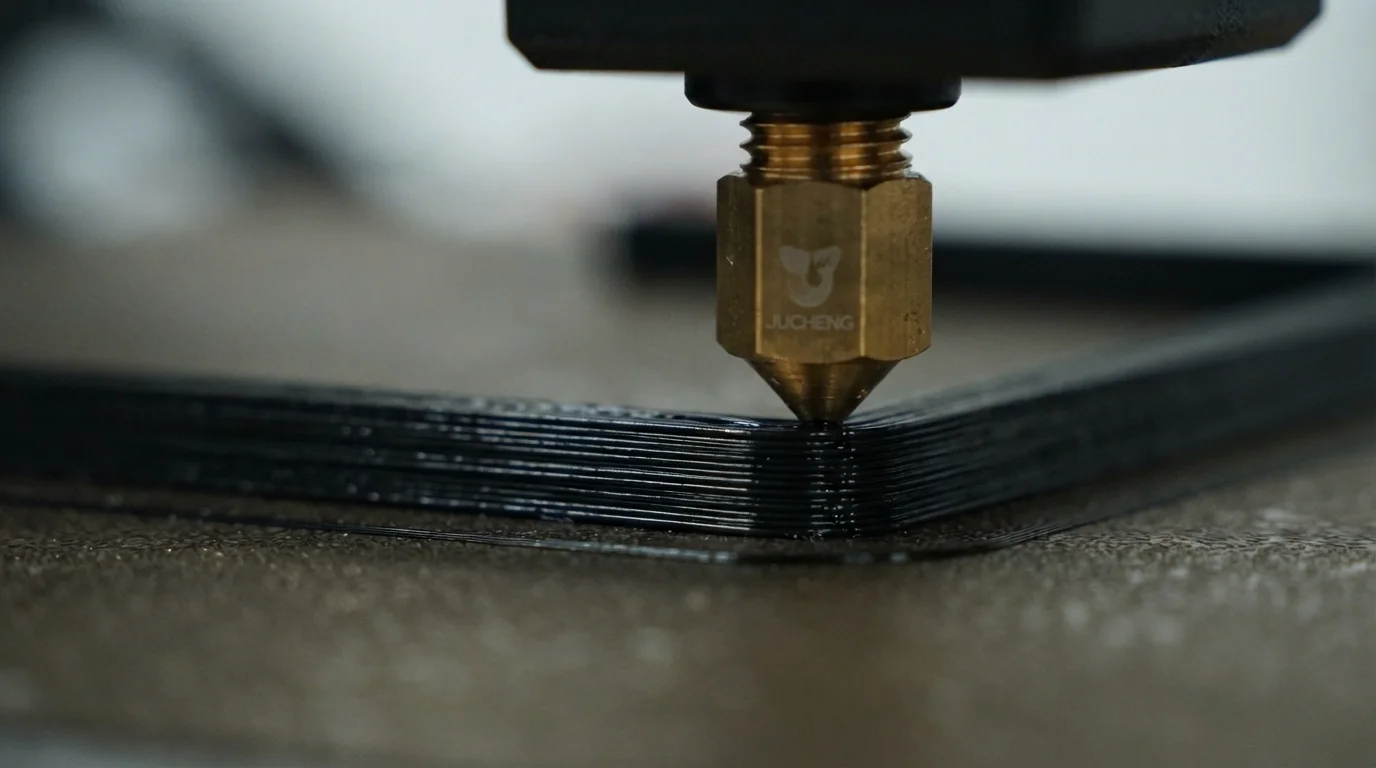
Question : Pourquoi l'usinage CNC a-t-il un prix de départ plus élevé que l'impression 3D ? Le fraisage CNC nécessite une programmation CAM personnalisée, la préparation de la matière première et des configurations de serrage physiques de la machine, tandis que l'impression 3D tranche les fichiers automatiquement.
La fabrication soustractive nécessite un machiniste qualifié pour écrire du G-code personnalisé, préparer des dispositifs de maintien de pièce et configurer manuellement les décalages d'outils de coupe. Le travail de préparation manuel se traduit par des frais de configuration initiaux forfaitaires qui rendent la production d'une seule pièce CNC relativement coûteuse. Les logiciels de tranchage pour l'impression SLA ou SLS, en comparaison, automatisent presque complètement la phase de configuration, envoyant les trajectoires d'outil directement à la chambre de construction. L'approvisionnement de maquettes visuelles unitaires est généralement beaucoup moins cher en utilisant des méthodes additives car vous contournez entièrement ces configurations de machine initiales à forte intensité de main-d'œuvre.
Points d'équilibre du volume et de la complexité géométrique
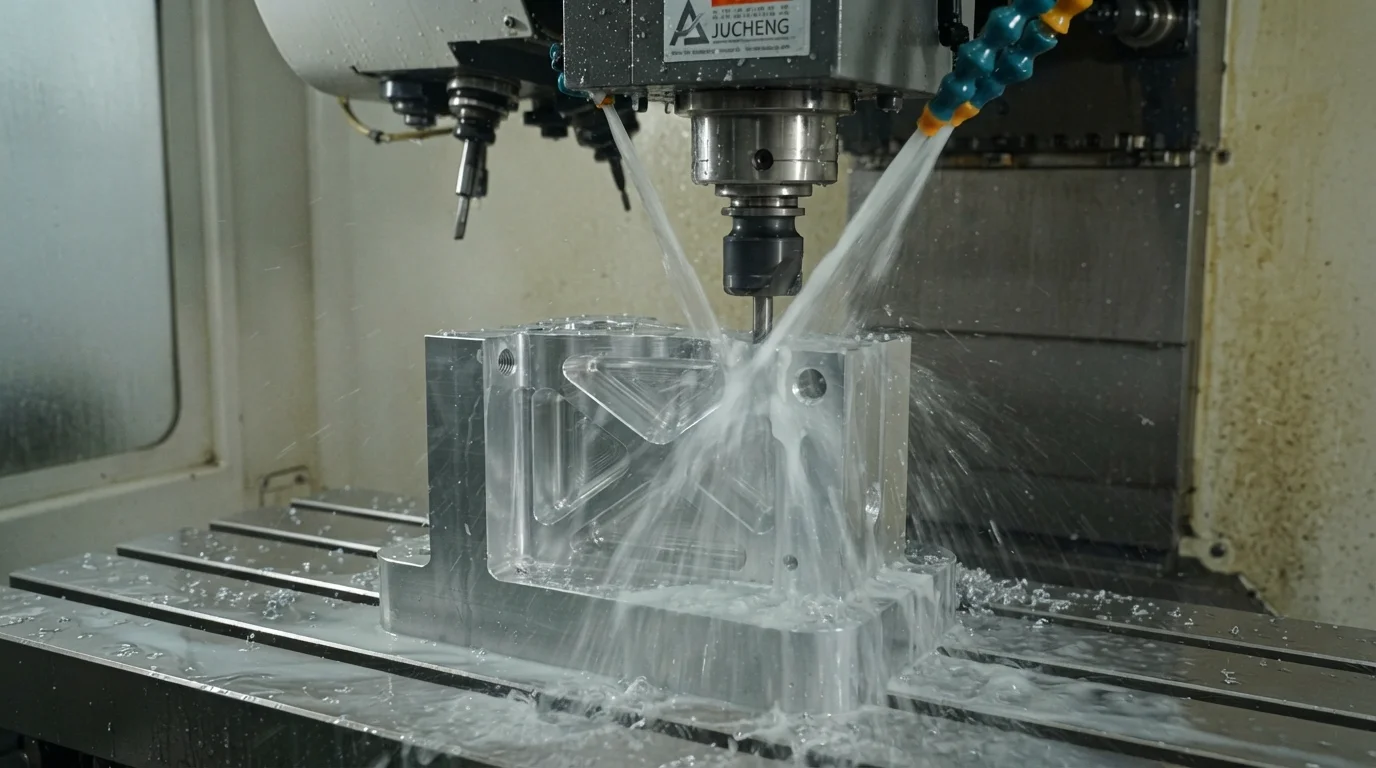
Question : À quel volume l'usinage CNC devient-il moins cher que l'impression 3D ? L'usinage de billettes solides devient généralement très rentable lors de la production de cinq unités ou plus, car les coûts de configuration initiaux sont répartis sur le lot.
Les coûts d'impression 3D polygonale augmentent presque linéairement avec le volume, ce qui signifie que dix pièces coûteront presque dix fois plus qu'une seule unité. Les coûts de fraisage CNC, cependant, chutent considérablement par pièce à mesure que vous répartissez les heures de configuration et de programmation initiales sur un lot plus important. L'approvisionnement de cinq à dix supports structurels en aluminium massif Al6061-T6 représente un cas classique où les coût du prototypage 3D vs CNC équations penchent fortement en faveur de l'usinage. Comprendre ce seuil de volume est essentiel pour empêcher les groupes de produits de payer trop cher pour des séries additives à faible volume.
La complexité géométrique représente une autre variable majeure où les méthodes additives et soustractives divergent en termes de vitesse de fabrication globale. Les contre-dépouilles internes complexes et les canaux courbes profonds s'impriment sans effort sur les machines SLS sans nécessiter de structures de support. L'usinage de ces profils complexes sur une fraiseuse nécessite des outils spécialisés, plusieurs configurations et un G-code très complexe, ce qui augmente les heures de main-d'œuvre. Les concepteurs doivent garder leurs géométries de pièces aussi simples que possible pour garantir que la CNC reste une option compétitive.
Tarification des matières premières et différences de facteur de déchet
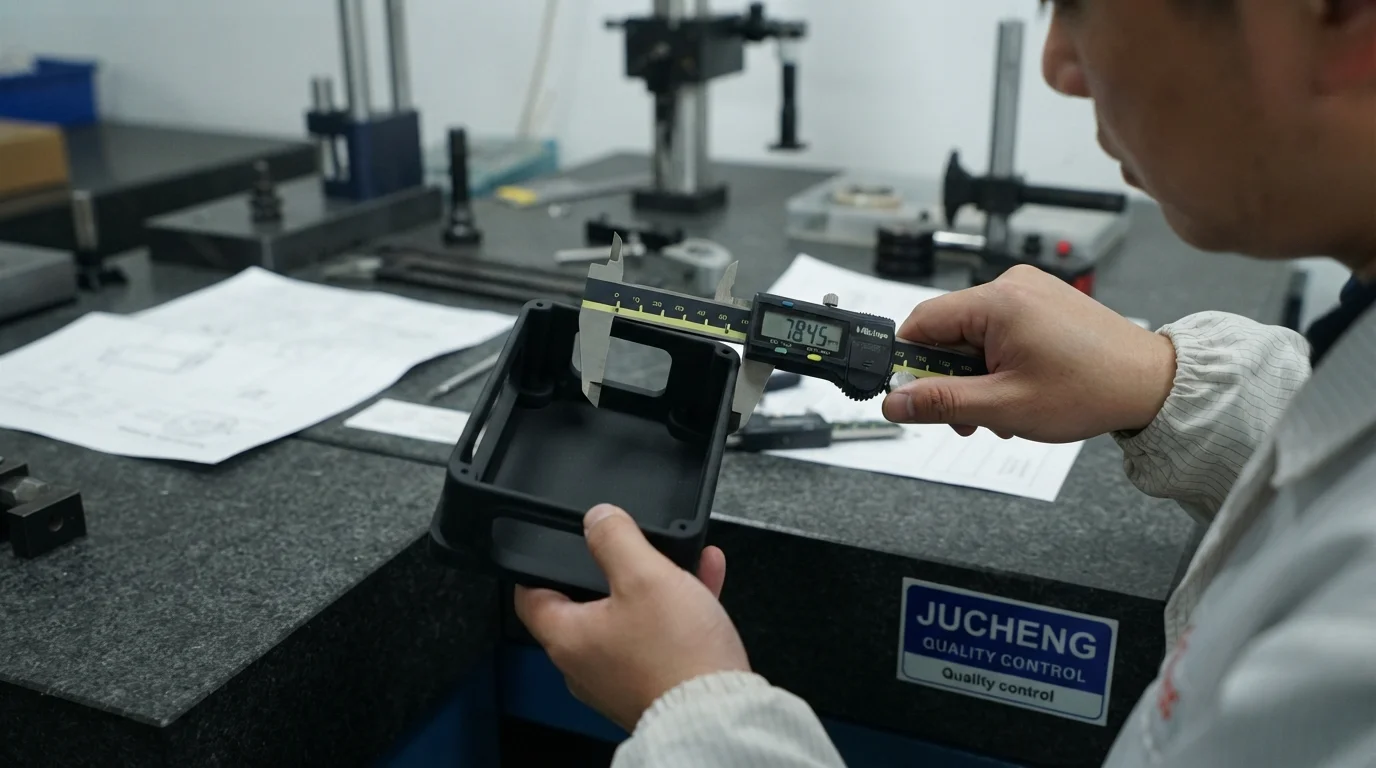
Question : Comment le déchet de matière première influence-t-il les coûts de prototypage ? L'usinage CNC est un processus soustractif qui peut gaspiller jusqu'à 80 % d'un bloc de métal brut, tandis que l'impression additive ne consomme que le matériau utilisé dans la pièce.
L'usinage soustractif enlève de la matière d'un bloc solide, créant des copeaux de métal ou de plastique considérables qui ne peuvent pas être réutilisés. L'approvisionnement en prototypes à partir de polymères techniques coûteux comme le PEEK non chargé ou l'Ultem PEI certifié fait du déchet de matière un facteur de coût majeur. Les imprimantes additives ne durcissent que le volume exact de polymère nécessaire pour construire la pièce, laissant la poudre non fusionnée ou la résine liquide pour les cycles futurs. L'évaluation du volume du bloc brut par rapport au volume de la pièce finie est une étape cruciale lors de la comparaison coût du prototypage 3D vs CNC des structures.
La sélection du processus correct implique d'équilibrer les coûts des matières premières avec les limites de performance mécanique globales. Ce tableau de comparaison technique met en évidence les comportements de coût de base pour les méthodes de fabrication rapide standard :
| Méthode de fabrication | Coût de configuration initial | Facteur de déchet de matière | Meilleur volume d'économie de coûts |
|---|---|---|---|
| Impression 3D SLA | Très faible (tranchage automatisé) | Faible (Uniquement les structures de support) | 1 à 3 unités (formes complexes) |
| Impression 3D SLS | Faible (Tranchage automatisé) | Minimum (Poudre recyclable) | 1 à 5 unités (lots imbriqués) |
| Usinage CNC (Aluminium) | Élevée (Programmation manuelle) | Élevée (Jusqu'à 80% de billette de rebut) | 5 à 100 unités (formes simples) |
Jucheng Precision exploite une installation de fabrication entièrement équipée contenant plus de 150 machines CNC, dont 25 de haute précision 5 axes Haas/Mazak machines pour fraiser des pièces complexes. Les spécialistes d'usine fournissent des analyses complètes analyses DFM gratuites 24h/24 des analyses pour vous aider à choisir le processus le plus rentable. Les capacités doubles de l'usine en fabrication additive et soustractive garantissent que nous fournissons des conseils totalement impartiaux pour réduire vos coûts globaux coût de prototypage rapide. L'approvisionnement en composants entièrement validés, de qualité production, en 4 à 15 jours permet aux groupes de mécatronique d'accélérer les calendriers de développement en toute sécurité.
Opérant selon une politique stricte de sans quantité minimale de commande, cela permet aux groupes de produits de tester des variations matérielles personnalisées sans payer de lourdes pénalités initiales. Des moules spécialisés l'outillage rapide livrent des composants moulés par injection de haute qualité en 4 à 15 jours, aidant les groupes de conception à passer en douceur des prototypes à faible volume à la production de masse. L'obtention manuelle de vos devis garantit que des ingénieurs expérimentés examinent vos fichiers CAO pour trouver des moyens supplémentaires d'économiser de l'argent. Un partenariat avec un fabricant certifié garantit que vos conceptions passent en douceur des premiers modèles de concept à la production en série de masse.
Foire aux questions (FAQ)
Est-il moins cher d'imprimer en 3D ou d'usiner des supports en aluminium par CNC ?
Le fraisage CNC est nettement moins cher que l'impression 3D métal DMLS pour les supports en aluminium. L'impression 3D métal nécessite des poudres de titane ou d'aluminium coûteuses et des heures de durcissement laser continu, ce qui coûte plusieurs fois plus cher que le fraisage soustractif de billettes.
Pourquoi les pièces creuses sont-elles moins chères à imprimer en 3D mais plus chères à fraiser par CNC ?
Le creusement des pièces réduit le volume de matière première et les temps de durcissement laser dans l'impression 3D, ce qui réduit les coûts. L'usinage de pièces creuses sur une fraiseuse CNC nécessite des trajectoires d'outils complexes à angles multiples et des configurations de programmation excessives, ce qui augmente les dépenses de main-d'œuvre globales.
Le moulage sous vide peut-il remplacer l'impression 3D pour économiser de l'argent sur les faibles volumes ?
Le moulage sous vide devient très rentable pour des séries de dix à cinquante pièces en plastique. Les moules en silicone ne coûtent que quelques centaines de dollars, ce qui donne des coûts unitaires beaucoup plus bas que la production du même volume par impression 3D.

