


Les inserts filetés sont des fixations polyvalentes utilisées pour créer des filetages durables et réutilisables dans des matériaux qui pourraient autrement se déformer ou s'user, comme le bois, le plastique ou les métaux tendres. Que vous travailliez sur un projet de bricolage, une réparation automobile ou un assemblage industriel, savoir installer correctement les inserts filetés peut vous faire gagner du temps et éviter des erreurs coûteuses. Ce guide couvre l'essentiel de l'installation des inserts filetés, y compris les outils et techniques nécessaires pour un ajustement sécurisé. Nous explorerons divers aspects, des étapes de base aux équipements spécialisés, afin de vous donner les connaissances nécessaires pour gérer différentes situations en toute confiance. À la fin, vous comprendrez comment choisir les inserts et outils adaptés à votre application spécifique, pour des résultats de qualité professionnelle à chaque fois.
Qu'est-ce qu'un insert fileté ?
Mettre l'insert en place : il vous faut un outil !
Comment installer un insert fileté : un guide simple étape par étape
Un type d'insert spécial : pour le plastique !
Qu'est-ce qu'un insert fileté ?
Décomposons les choses. Un insert fileté est un petit tube métallique avec des stries (filetages) à l'intérieur. L'extérieur est conçu pour adhérer au matériau dans lequel vous l'insérez, comme le bois, plastique, ou même le métal tendre.
Pourquoi sont-ils si géniaux ?
Ils créent un trou solide dans les matériaux mous qui se déformeraient normalement facilement.
Ils permettent de démonter et remonter les pièces sans abîmer le trou.
Ils sont comme une arme secrète pour donner à vos projets un aspect professionnel et une longue durée de vie !
Mettre l'insert en place : il vous faut un outil !
Vous ne pouvez pas simplement pousser un insert fileté dans un trou avec vos doigts. Il doit être placé parfaitement droit et enfoncé fermement. C'est là qu'un outil pour insert fileté vient à la rescousse !
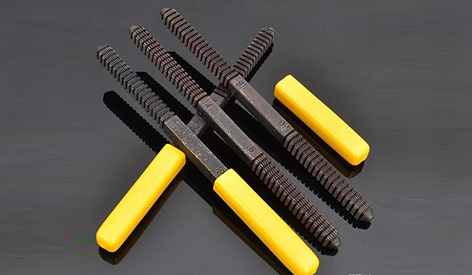
Un outil pour insert fileté est un assistant spécial conçu pour effectuer ce travail. Il maintient l'insert pour vous et vous aide à le visser ou à le presser droit dans le trou. Utiliser le bon outil garantit que l'insert s'installe uniformément et ne se déforme pas.
For someone just starting out, a threaded insert tool kit is the best way to go. A kit is like a complete package—it usually comes with the main tool, plus several different-sized tips (called mandrels) to fit different inserts. It has everything you need in one box, which is perfect for trying out different projects.
Comment installer un insert fileté : un guide simple étape par étape
Installing a threaded insert is like a mini-mission. If you follow the steps, you'll have a perfect, strong hole! Here’s how it works:
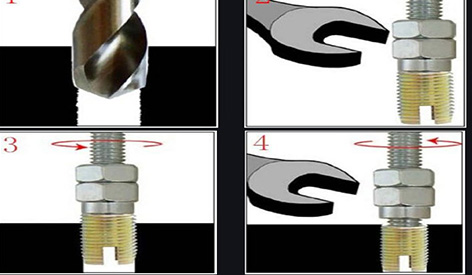
Drill the Pilot Hole: First, you need to drill a starter hole in your material. This hole has to be just the right size—not too big, not too small. It's like the insert's new home. The instructions that come with your inserts will tell you exactly what size drill bit to use.
Get Your Tool Ready: Choose the right tip for your threaded insert installation tool that matches the size of your insert. Screw the insert onto the end of the tool. It should feel snug and secure.
Time to Install! Carefully place the insert at the entrance of the hole you drilled. Now, slowly and firmly, turn the tool or press down (some tools you turn, others you just push). The goal is to get the insert to go all the way in until its top is flat with the surface of your material.
Unscrew the Tool: Once the insert is in place, simply unscrew the tool from the insert. What you’re left with is a clean, professional-looking metal thread ready for your screw!
Un type d'insert spécial : pour le plastique !
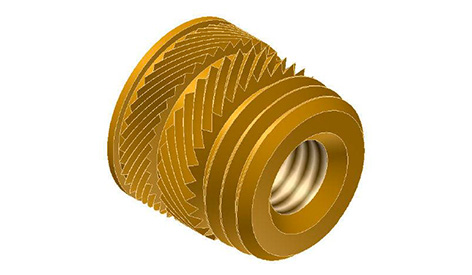
Working with plastic can be tricky because it can melt or crack. That's why there are special inserts filetés for plastic. These often have little grooves or bumps on the outside that help them dig into the plastic and hold on tight. Sometimes, you use a little bit of heat to soften the plastic just enough to slide the insert in smoothly. This makes a super strong connection without breaking the plastic.
Mastering the installation of threaded inserts opens up opportunities for stronger, more reliable assemblies in various materials. By understanding the nuances of threaded insert installation and leveraging tools like a thread insert tool or a comprehensive threaded insert tool kit, you can tackle projects with greater confidence. Remember to choose the right threaded insert installation tool for your needs and pay special attention when working with threaded inserts for plastic to avoid material failure. Threaded inserts, in general, offer a robust solution for enhancing thread durability, making them indispensable in both professional and DIY settings.

