

Du prototypage rapide à la fabrication en petite série : un guide complet
Vues : 9 Author: Site Editor Publish Time: 2024-01-22


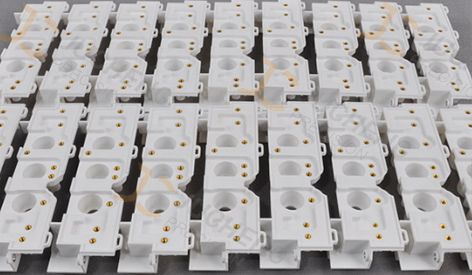
In the ever-evolving landscape of product development, the journey from rapid prototyping to Low Volume manufacturing is a critical phase. This guide provides insights into the development history, process iterations, and precautions associated with transitioning from prototyping to production.
1. Development History: Evolving Prototyping Landscape
Traditional Prototyping: Historically, product development relied on time-consuming methods such as handcrafting and model making.
Introduction of CAD: Computer-Aided Design (CAD) revolutionized prototyping by enabling digital models and simulations.
prototypage rapide Technologies: Advent of technologies like 3D printing accelerated prototyping, allowing quick and cost-effective model production.
2. Process Iterations: Refining Designs for Production
Conceptual Prototyping: Initial phase involves creating basic prototypes to visualize and refine the design concept.
Functional Prototypes: Iterative prototyping focuses on functionality, testing components for real-world performance.
Design Validation: Prototypes undergo rigorous testing to validate design integrity and identify potential improvements.
3. Transition to Low Volume Manufacturing: Key Steps
Material Selection: Transition requires evaluating materials for production suitability, considering factors like strength, durability, and cost.
Tooling Design: Develop molds or tools needed for Low Volume manufacturing processes such as injection molding or CNC machining.
Quality Assurance: Implement quality control measures to ensure consistency across Low Volume production.
Cost Optimization: Streamline processes to minimize costs while maintaining product quality.
4. Process Considerations: Navigating Challenges
Tooling Costs: Initial investment in molds or tooling can be substantial, impacting overall production costs.
Production Scaling: Adjust production processes to accommodate Low Volumees, ensuring efficiency and cost-effectiveness.
Supply Chain Management: Low Volume manufacturing requires a responsive and flexible supply chain to meet varying demands.
Regulatory Compliance: Ensure compliance with industry regulations and standards applicable to the final product.
5. Precautions and Best Practices: Ensuring Success
Prototyping Precision: High-quality prototyping ensures accurate representation of the final product.
Collaborative Design: Foster collaboration between designers, engineers, and manufacturers for seamless transitions.
Documentation: Maintain comprehensive documentation of design iterations, material choices, and manufacturing processes.
Iterative Testing: Conduct iterative testing throughout the transition to identify and address any issues promptly.
Conclusion: Navigating the Prototyping to Production Journey
Successfully navigating the journey from rapid prototyping to Low Volume manufacturing requires a strategic approach, meticulous planning, and continuous collaboration. This guide aims to provide a roadmap for product developers, designers, and manufacturers to transition smoothly from prototyping to production, ensuring the delivery of high-quality products to the market.

ㆍConfidentialité : Nous respectons votre vie privée. Vous trouverez ici un exemple d' accord de non-divulgation. En soumettant ce formulaire, vous acceptez nos conditions générales et notre politique de confidentialité.
